The year 1805 is written and Napoleon is awaiting victory in the Battle of Slavkov, and coffee lovers can hear the word "kapuziner" for the first time in Viennese cafes. The name apparently referred to the brown color of the monastic robes of the Capuchin order. According to a number of sources, it was the forerunner of today's cappuccino and was essentially coffee with cream and sugar. But there is still almost a century to go before the first espresso machine sees the light of day. And cappuccino, as we know it today, is definitely not complete without traditional espresso.
CAPPUCCINO – coffee that has a cap
The first mentions of cappuccino in today's form date back to the 1930s, when Italians enjoyed coffee with whipped cream and cinnamon or chocolate sprinkles. A few years later, Europe and not only Europe was ravaged by the Second World War, so the development of coffee or any other culture could not be expected. But the post-war period was already marked by the increasing popularity of the drink, which soon became popular especially with the British.
In our country, the original "capuziner" is now called Viennese coffee, while espresso with hot and frothed milk remains the name cappuccino. After a successful campaign across Europe, South America and Australia, it also celebrated its big boom in the eighties In the United States. It probably goes without saying that Starbucks had a big part in this.
But you definitely don't have to go to a cafe every time you get a taste for a delicious drink with a milk foam cap. You can also prepare a cappuccino at home.
Cappuccino at home step by step
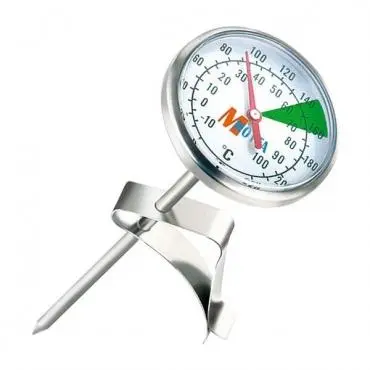
- First heat the milk. You will know the correct temperature when small bubbles rise around the edges. In any case, the milk should not be completely boiled. Remove it from the stove in the "bubble" phase.
- Now whip it well.
- And it's time to prepare an excellent, high-quality espresso.
- Add hot milk and milk foam to the finished espresso so that 1/3 of the total volume of the drink is coffee, 1/3 hot milk and 1/3 milk foam.
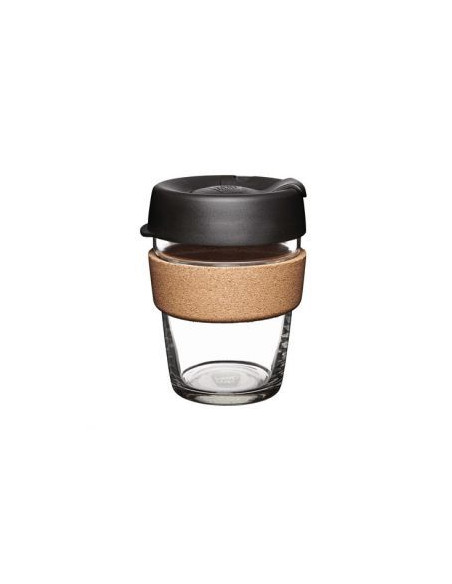
A quality cappuccino definitely deserves an appropriate cup, so don't hesitate and take a look at our offers.
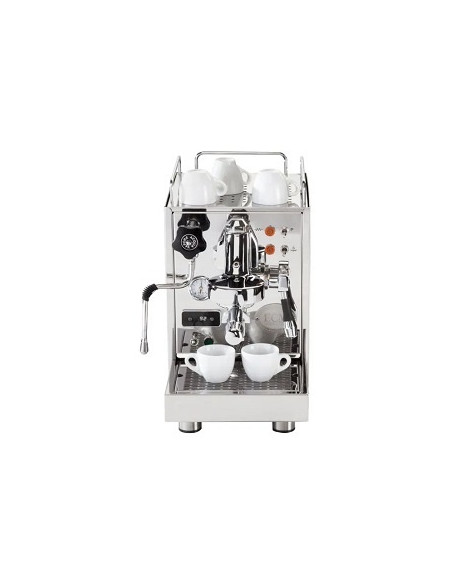
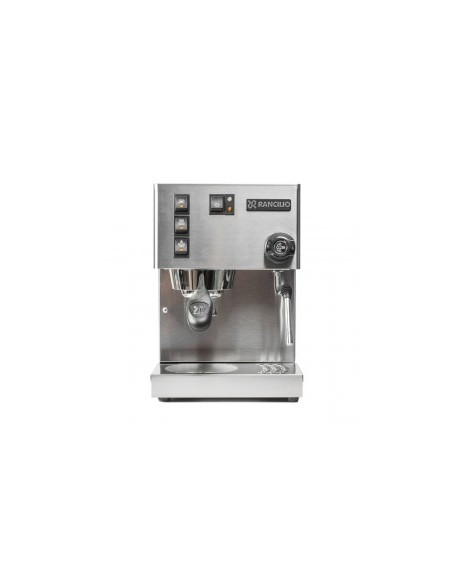
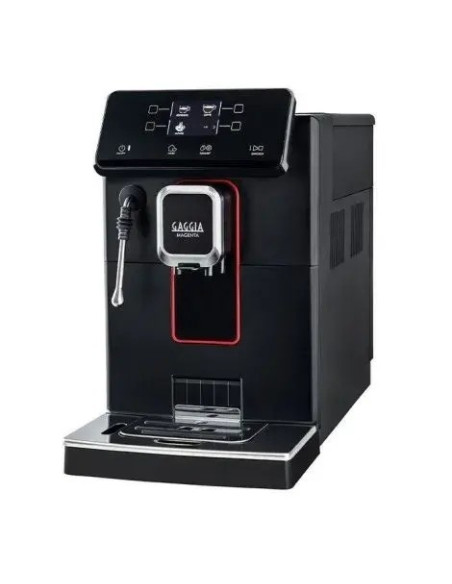
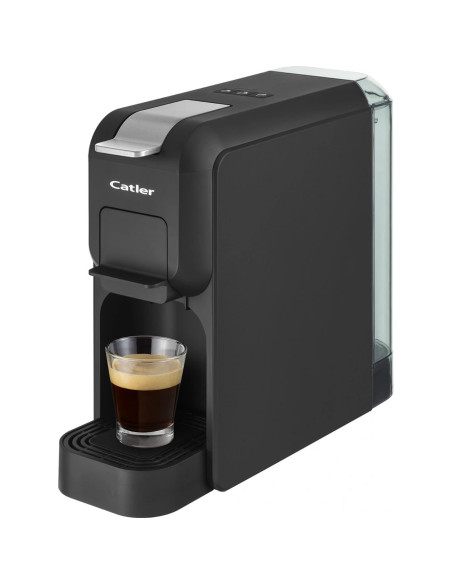
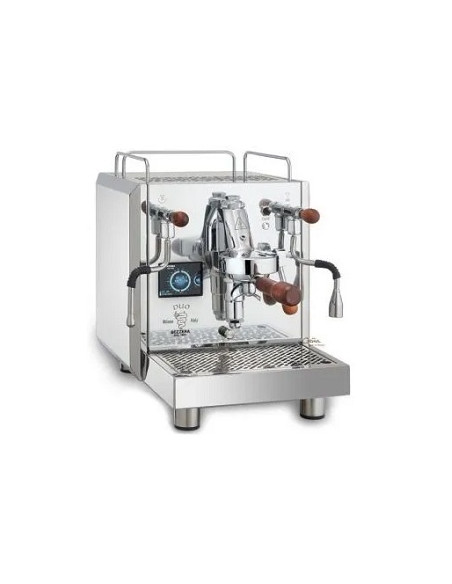
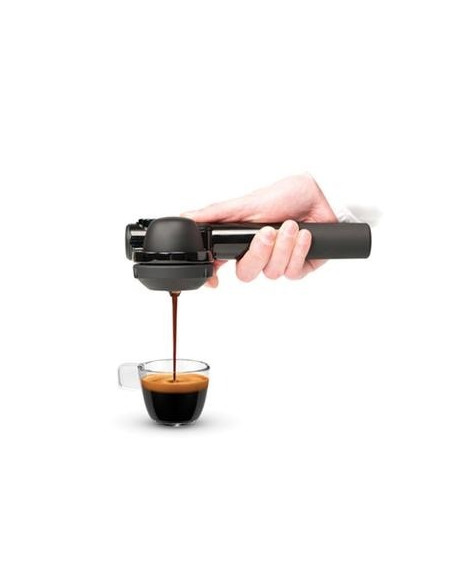
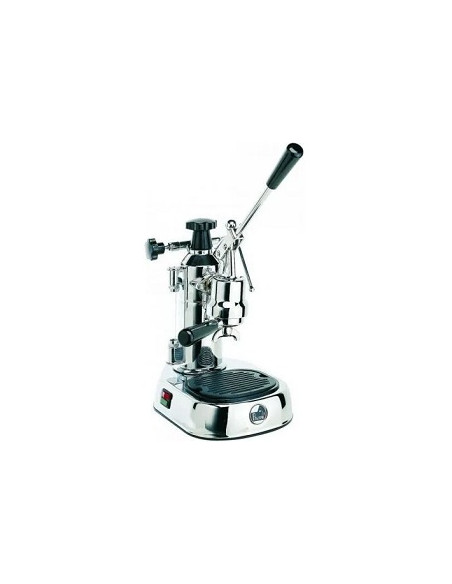
Who misses espresso coffee machine, you will definitely choose from us. If you enjoy tradition and history, pay particular attention to coffee machines of the brand Bezzera. It's not a coincidence of names, but really a company founded by Luigi Bezzera - the man who brewed the first espresso.
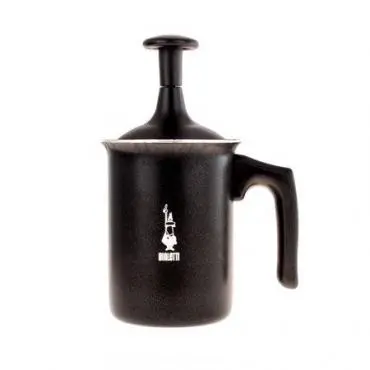
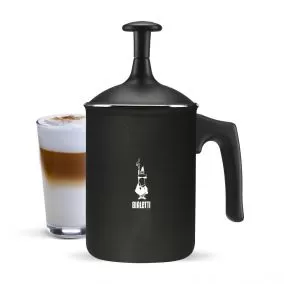
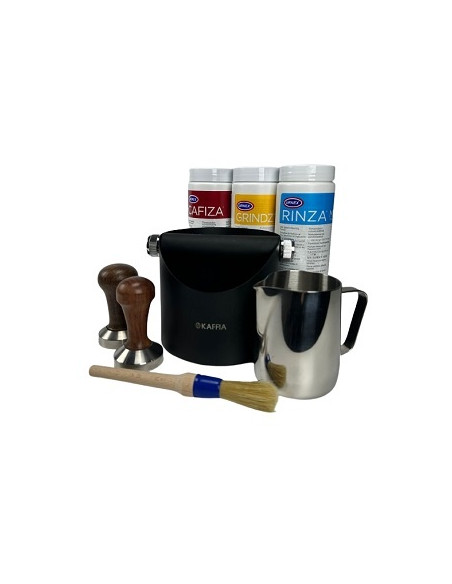
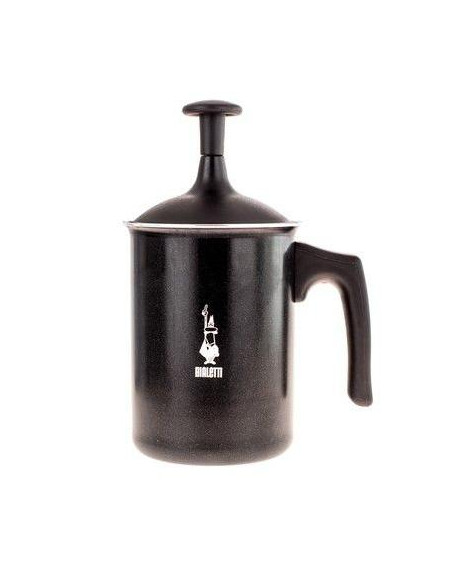
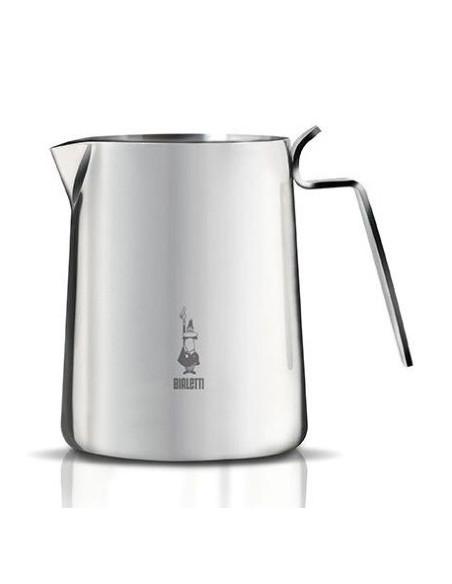
And if your first-class espresso is to get the right milk cap, think about whether you need a quality milk frother.
With the right equipment and a wonderful coffee you can prepare the perfect cappucino whenever you feel like it.
Quick Overview: What is a Cappuccino?
- Brewing Principle: A classic cappuccino consists of three essential components in equal proportions: 1/3 strong espresso (approx. 30 ml), 1/3 steamed milk, and 1/3 velvety milk microfoam. The key to success is a properly extracted espresso and perfectly textured milk using a steam wand.
- Flavor Profile: The resulting cup offers a harmonious balance of intense, full-bodied coffee flavor and the natural sweetness of milk. The texture is velvety smooth, creamy, and dense; the milk should never overpower the coffee, but rather highlight its notes.
- Volume and Serving: A traditional cappuccino is served in a pre-heated, thick-walled porcelain cup with a total volume of 150 to 180 ml. The surface should feature a smooth microfoam free of visible air bubbles, making it the perfect canvas for creative Latte Art.
How does a Cappuccino differ from a Caffè Latte and a modern Flat White?
The world of milk-based coffee drinks can be confusing for beginners. Although all of these drinks combine espresso and foamed milk, they differ in their ingredient ratios, foam texture, and the resulting intensity of the coffee flavor.
Cappuccino vs. Caffè Latte: The main difference lies in the milk volume and foam thickness. A Caffè Latte is a much larger drink overall (often 250–300 ml) and contains significantly more steamed milk, which makes the coffee flavor very mild and subtle. In contrast, a cappuccino retains a strong coffee character due to its smaller cup size (180 ml), and its foam is slightly higher, denser, and creamier.
Cappuccino vs. Flat White: The Flat White is the modern king of specialty coffee shops, originating from Australia and New Zealand. It is served in a cup similar in size to a cappuccino, but instead of a single espresso, it uses a double shot (espresso doppio). Furthermore, the milk foam on a Flat White is extremely thin (hence the name "flat"). If you are looking for a strong coffee taste with minimal foam, go for a Flat White. If you want a balanced classic with a velvety texture, choose a cappuccino.
| Drink Parameter |
Cappuccino |
Caffè Latte |
Flat White |
| Coffee Base |
1x classic espresso (approx. 30 ml) |
1x classic espresso (or doppio) |
1x espresso doppio (double shot) |
| Total Cup Volume |
150–180 ml |
250–300 ml (often in glass) |
160–180 ml |
| Milk Foam Texture |
Velvety microfoam (approx. 1–1.5 cm high) |
Low and more liquid milk foam |
Extremely thin, liquid microfoam |
| Flavor Intensity |
Balanced, milky-coffee sweetness |
Very mild, milk flavor dominates |
Strong, intense coffee flavor |
| Traditional Serving |
Porcelain cup with a wide base |
Tall glass or large mug |
Smaller porcelain cup or glass |
Frequently Asked Questions about Cappuccino Preparation
1. What is the ideal milk temperature for texturing a cappuccino?
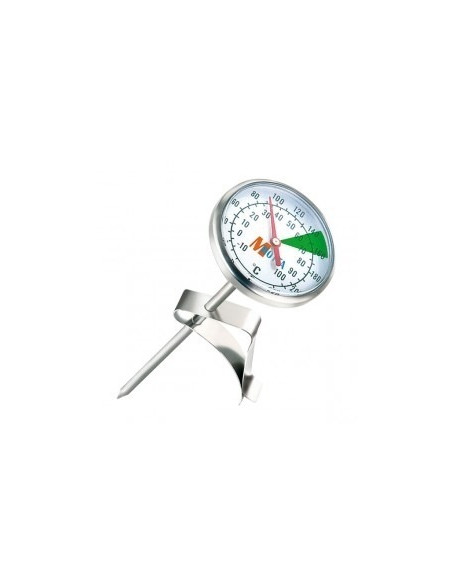
The ideal milk temperature should be between **60 and 65 °C**. At this temperature, complex sugars (lactose) break down into simpler ones, giving the milk its natural sweetness, meaning a cappuccino doesn't need added sugar. Heating the milk above 70 °C burns the lactose, destroys the sweetness, collapses the foam, and gives the drink an unpleasant scalded milk smell.
2. Does authentic cappuccino include cinnamon or cocoa powder on top?
From the perspective of modern barista practices and Italian tradition, **cinnamon or cocoa do not belong on an authentic cappuccino**. These ingredients completely overpower the delicate flavor notes of specialty coffee and break down the microfoam structure. Sweetness and aesthetics should be achieved solely through proper milk steaming technique and Latte Art. If you enjoy cinnamon at home, it's a matter of personal preference, but in a specialty café, a barista will always ask you first.
3. Can you prepare a high-quality cappuccino using plant-based milks?
Yes, it is very common nowadays. The best results come from **plant-based alternatives labeled as "Barista" editions** (especially oat, pea, or almond). These products are enriched with plant proteins and stabilizers, allowing you to create a stable microfoam similar to cow's milk. Oat milk is generally the most popular choice because of its neutral, naturally sweet flavor that perfectly complements the acidity and bitterness of espresso.






































 Choose a quality