Introducing another member of the espresso family. Specifically, one of the younger members of this popular coffee family.
How did espresso come to macchiato?
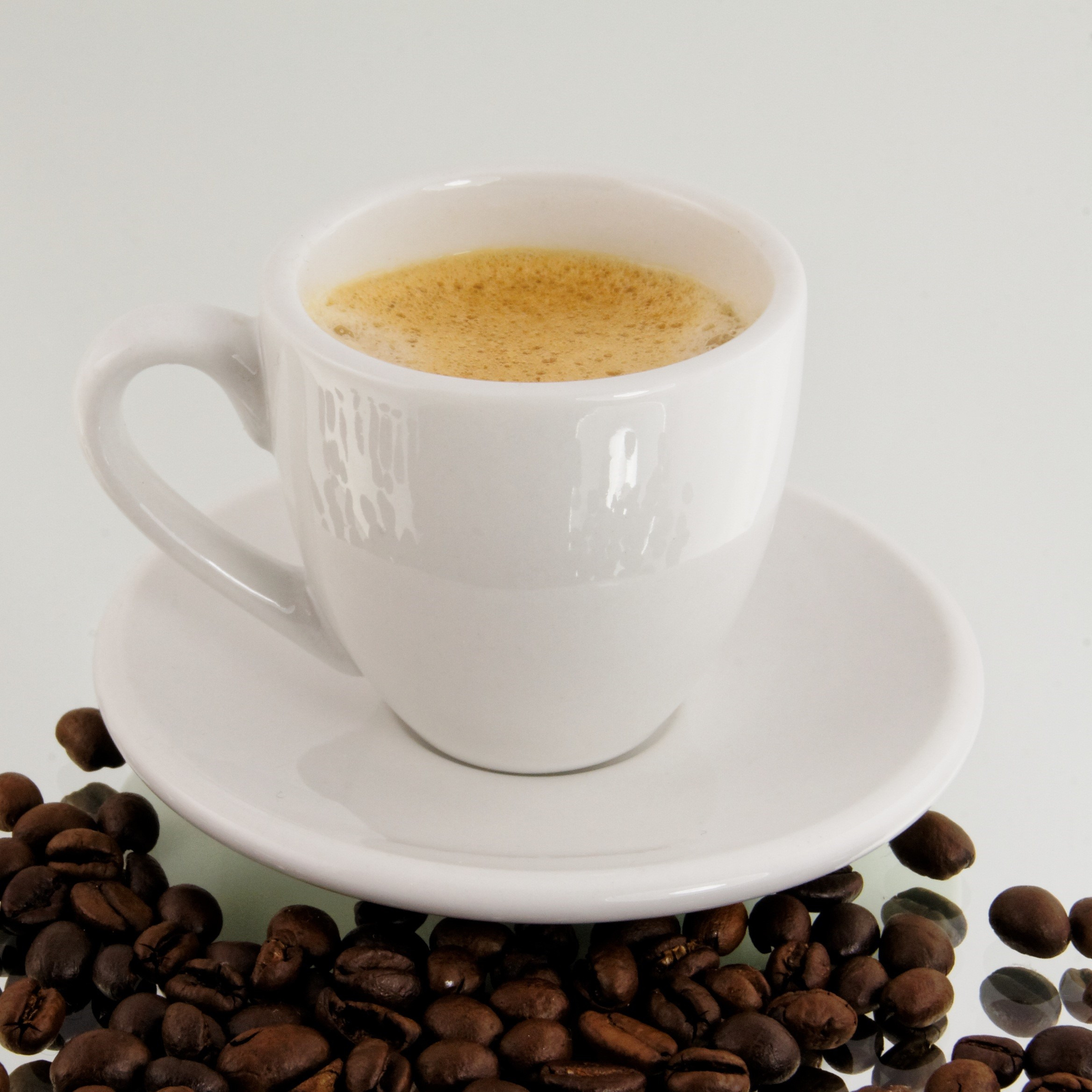
The espresso macchiato is the creation of Italian baristas who introduced it to the world in the late 1980s. It is a classic or even double espresso with a little frothed milk. The milk must not be too much to preserve the strong taste of the coffee.
What do you need to make an espresso macchiato?
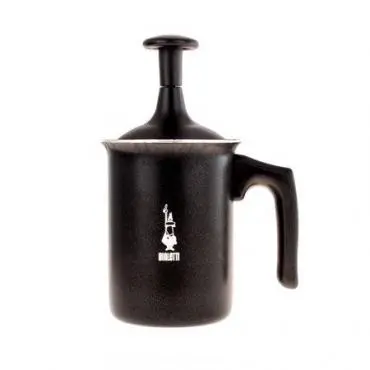
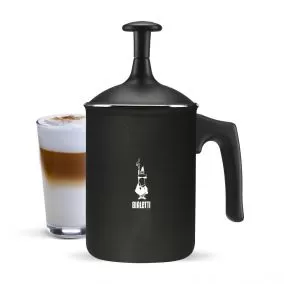
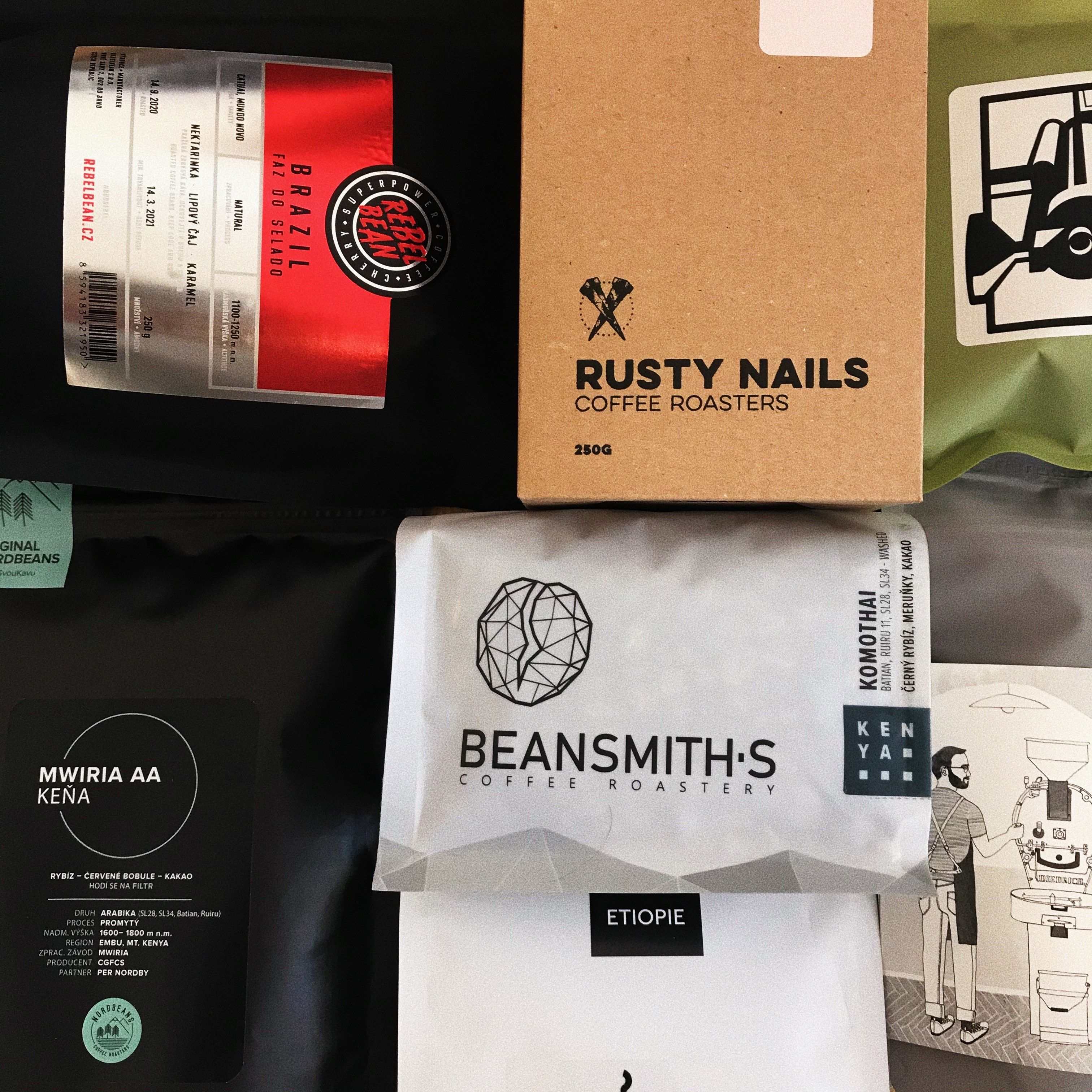
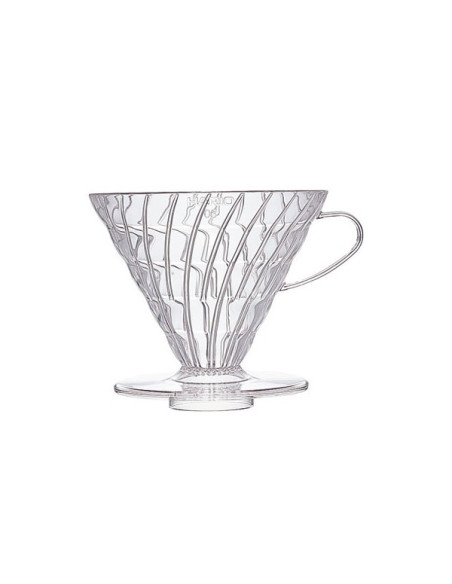
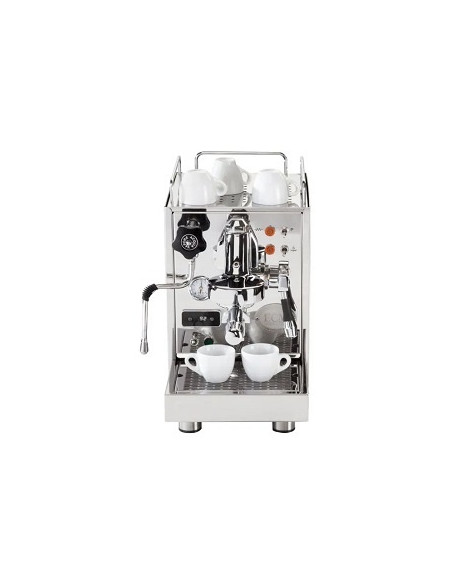
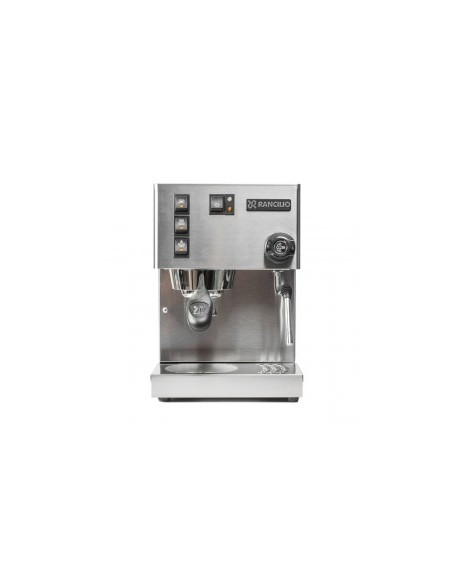
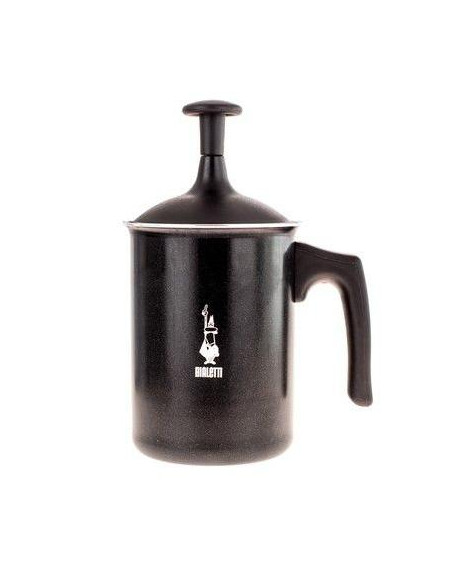
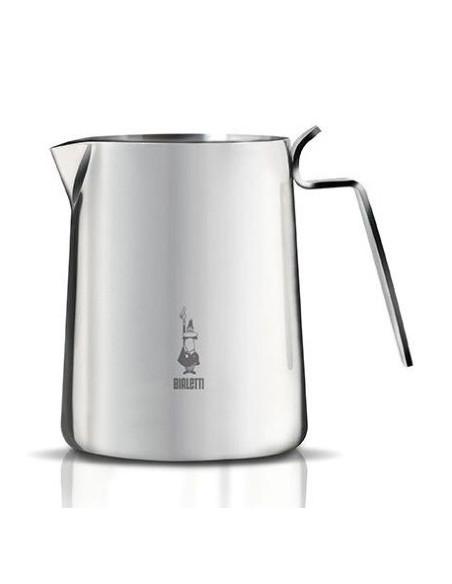
A top-quality espresso machine, premium coffee and a milk frother, unless your machine is equipped with the appropriate nozzle. Don't forget a suitable cup or glass.
Add just enough milk to the finished espresso to bring out the flavour of the coffee and make it smooth.
Facts about espresso macchiato:
- Although most countries have adopted the original Italian name, if you want to order this coffee drink in Portugal, ask the server for a "cafe pingado".
- In Italy, coffee with milk is drunk mainly in the afternoon; if you order an espresso macchiato in the morning, expect to be seen as a weirdo in many establishments.
- When you come across the term "long macchiato" in a café when visiting Australia, you should know that it is a double espresso drink.
The espresso macchiato is there for anyone who is primarily concerned with the taste and aroma of good coffee, while the appropriate amount of milk will play an important but in any case secondary role.
Quick Overview: What is an Espresso Macchiato?
- Brewing Principle: The word "macchiato" means stained or marked in Italian. The base of this drink is a classic espresso (made from approx. 7–9 g of coffee) that is "stained" with a spoonful of warm milk microfoam. In modern coffee culture, it is prepared more like a miniature cappuccino – a small amount of velvety steamed milk is poured directly from the pitcher into the espresso.
- Flavor Profile: Espresso macchiato offers the perfect compromise for those who love the intense, dense flavor of a straight espresso but want to soften its initial sharpness or acidity. The milk does not overpower the coffee; it merely adds creaminess and natural sweetness, while the bold coffee character remains fully preserved.
- Volume and Serving: The final beverage has a volume of around 40 to 50 ml. It is served in a classic small espresso cup (60–90 ml). The traditional Italian school dictates placing just a dollop of stiff foam on top, whereas modern specialty cafes prefer a more fluid microfoam to create miniature latte art (a heart or a rosette) on the surface.
How does an Espresso Macchiato differ from a Latte Macchiato and a Cortado?
The names of milk-based coffee drinks can be confusing, especially when they contain the word macchiato. However, the difference between them is fundamental and lies in the coffee-to-milk ratio as well as the preparation steps.
Espresso Macchiato vs. Latte Macchiato: These are two completely different worlds. While an espresso macchiato is a small, strong espresso with a dash of milk, a latte macchiato is a large milk-forward beverage (over 200 ml). It is prepared by pouring a shot of espresso into a tall glass already filled with hot milk and thick foam. A latte macchiato is very mild and milky, whereas an espresso macchiato remains strong and robust.
Espresso Macchiato vs. Cortado: Originating from Spanish coffee tradition, the cortado sits right between a macchiato and a cappuccino. While a macchiato gets just a touch of milk foam, a cortado features an exact 1:1 ratio of espresso to warm milk. It is typically served in a small glass without a handle, and the milk is thoroughly integrated without a thick layer of stiff foam, making it smoother overall than a macchiato.
| Drink Parameter |
Espresso Macchiato |
Cortado |
Latte Macchiato |
| Drink Base |
1x standard espresso (approx. 30 ml) |
1x espresso or double shot |
1x standard espresso (approx. 30 ml) |
| Amount of Milk / Foam |
Just approx. 10–15 ml of microfoam |
Warm milk in a 1:1 ratio to espresso |
Large amount (approx. 150–200 ml) of milk and foam |
| Total Drink Volume |
approx. 40–45 ml |
approx. 60–80 ml |
approx. 200–250 ml |
| Order of Preparation |
Milk is added to the espresso base |
Warm milk is poured into the espresso |
Espresso is poured into the milk base |
| Final Flavor |
Strong coffee flavor, only slightly softened |
Intense yet very creamy and balanced |
Very mild, sweet, heavily dominated by milk |
Frequently Asked Questions about Espresso Macchiato Preparation
1. What is the difference between a traditional Italian macchiato and a modern macchiato?
The traditional Italian version was created so baristas could visually distinguish a plain espresso from one with a drop of milk. A dollop of stiff, dry milk foam was placed on the surface with a spoon. The modern version (often called an espresso macchiato with latte art) utilizes perfectly fluid, glossy microfoam steamed in a pitcher, which is poured directly into the espresso. In terms of taste, the modern version is creamier and visually more appealing due to the patterns on top.
2. Can an espresso macchiato be prepared using plant-based milk?
Yes, but it takes a bit of practice. Plant-based milks (especially oat or almond in a "Barista" edition) can be frothed into excellent microfoam. However, since you only need an extremely small amount of milk for a macchiato, it is best to froth a full small pitcher, swirl it well, pour off any excess heavy foam, and use just the silkiest center for the cup. Oat milk pairs wonderfully with espresso due to its natural sweetness.
3. Why do I sometimes get a large layered glass at a restaurant when I order a macchiato?
This is the most common misunderstanding in the restaurant industry. If the staff is not properly trained in coffee, they will mix up a tiny **Espresso Macchiato** with a large **Latte Macchiato**. To ensure you get a small espresso with a touch of foam in a non-specialty venue, it is always safer to explicitly ask for an "espresso macchiato in a small espresso cup" rather than just saying "macchiato."



































 Choose a quality