One lungo, please...
There are times and people who like to savor their coffee for a long time. And for them, of course, a small espresso can't be enough.
Anyway, if they're serious about the taste and strength of their coffee, even Americano - adding hot water to the finished espresso - won't satisfy them. The ideal solution for them, then, is the so-called espresso lungo. Literally translated as "extended espresso".
Holy (coffee) Trinity
If a coffee fan had to list the three basic coffee drinks, he would definitely start with espresso and mention lungo and ristretto in the next two positions. If we take espresso as the foundation of coffee culture, then ristretto would be the smaller and weaker member of the family, while lungo would be the bigger and stronger.
Making lungo coffee
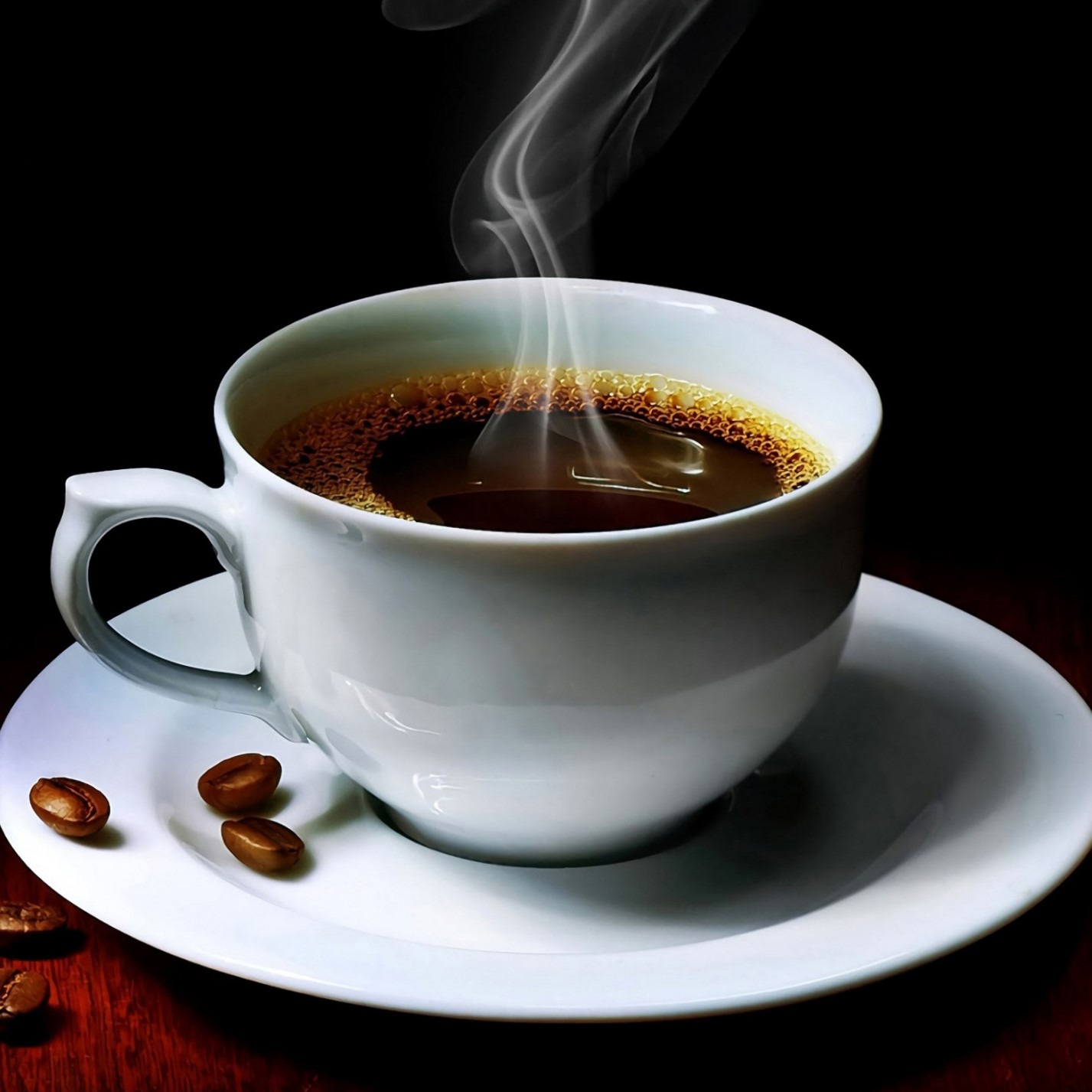
Based on traditional espresso preparation, you will use the same amount of coffee but double the amount of water (50-70 ml) and thus you will also need more time (45-60 seconds) for the machine to prepare the drink. The result will be a stronger and more flavourful coffee served in a larger cup. Expect an average caffeine content of 70-100 mg. The classic lungo is served without milk or cream.
Details that decide
When choosing a coffee suitable for lungo, be sure to look for Arabica. Robusta is not suitable for this type of drink.
When it comes to roasting level, you should take into account the preparation time and reach for a medium roast. The dark one is more suitable for coffee drinks where the so-called extraction time (i.e. the time when hot water under pressure flows through the ground coffee) does not exceed 30 seconds. If you do want to try dark coffee, lower the water temperature from the original approx. 92 °C to 88-90 °C.
Grinding coarseness is recommended to be set to medium or fine.
And one final piece of advice...DON'T WATCH THE TIME FOR COFFEE - MAKE IT - just long enough for that great espresso lungo.
Quick Overview: What is a Lungo?
- Brewing Principle: The word "lungo" means long in Italian. It is a coffee drink based on a classic espresso (made from approx. 7–9 g of coffee), which is either extracted for a longer duration or stretched with hot water. The goal is to obtain a larger volume of coffee that can be enjoyed longer than a single-sip classic espresso.
- Flavor Profile: Compared to an espresso, a lungo is less concentrated in flavor and has a lighter body, but do not be fooled – the longer extraction or additional water releases different flavor undertones. It can carry a slightly higher bitterness and, paradoxically, contains a bit more caffeine than a classic small espresso because water flows through the coffee puck for a longer time.
- Volume and Serving: A traditional lungo has a final volume of around 60 to 90 ml (roughly double to triple the size of a classic espresso). It is served in a larger espresso cup (ideally 120–150 ml). In modern coffee shops, it is most frequently served as a standard espresso accompanied by a small pitcher of hot water, allowing the guest to dilute the coffee to their own taste.
How does a Lungo differ from an Americano and a classic Espresso?
Black coffee from an espresso machine can take many forms, and people very often confuse these three terms. Yet the difference lies entirely in the amount of water used and how it is combined with the coffee.
Lungo vs. Espresso: A classic espresso is the baseline. It has a volume of around 30 ml and is extracted for roughly 25–30 seconds. A lungo is simply a "long" espresso. Either more water is run through the machine for a longer period (the traditional Italian way), or an espresso is diluted with hot water in a 1:1 to 1:2 ratio. The result is a milder flavor and a larger volume.
Lungo vs. Americano: This is where the biggest misunderstandings happen. An Americano is a much larger drink than a lungo (usually 150–180 ml). It is prepared exclusively by taking a classic espresso (30 ml) and topping it up with a large amount of hot water (approx. 120–150 ml), or by pulling the espresso over hot water. Therefore, an Americano is significantly weaker, more watery, and less bitter than a lungo, which still retains a more intense coffee character.
| Drink Parameter |
Espresso |
Lungo |
Americano |
| Amount of Ground Coffee |
7–9 g (single shot) |
7–9 g (single shot) |
7–9 g (or 14–18 g as a double shot) |
| Total Drink Volume |
approx. 30 ml |
approx. 60–90 ml |
approx. 150–180 ml |
| Method of Elongation |
Not elongated |
Longer extraction or hot water (1:1 to 1:2) |
Adding hot water to espresso (1:5) |
| Caffeine Content |
Standard (fast extraction) |
Higher (water interacts with coffee longer) |
Same as the espresso base used |
| Flavor Intensity |
Very strong, concentrated, thick |
Medium, balanced, with a lighter body |
Mild, less intense, more watery |
Frequently Asked Questions about Lungo Preparation
1. Why do modern cafes serve hot water separately with espresso instead of running the machine longer?
This modern approach (often called a "by-pass") is much gentler on the coffee's flavor. If you let water flow through the coffee grounds for longer than 30 seconds, undesirable, very bitter substances, woody notes, and heavy tannins begin to extract (over-extraction). When baristas prepare a perfect standard espresso and dilute it with clean hot water separately, the coffee retains its pleasant flavor characteristics, acidity, and aroma, while the drink achieves the desired larger volume.
2. Should a proper Lungo have a thick coffee foam (crema) on top?
Yes, a lungo prepared via traditional longer extraction features a crema, though it tends to be lighter in color and thinner than that of a classic espresso. If you prepare a lungo using the modern method (adding hot water), the crema is partially disrupted and dissipated by the stream of water. This is not a defect – the crema contains the highest concentration of bitter oils, and gently breaking it up can actually make the final cup taste smoother.
3. What type of roast for coffee beans is most suitable for a Lungo?
**Medium roast coffee beans** are ideal for preparing a lungo. Too dark a roast might taste unpleasantly bitter, ashy, or burnt when exposed to a larger volume of water. On the other hand, a very light roast intended more for filter coffee might come across as overly sour and watery with this brewing style. A medium roast offers a wonderful balance of sweetness, body, and gentle acidity.






























 Choose a quality