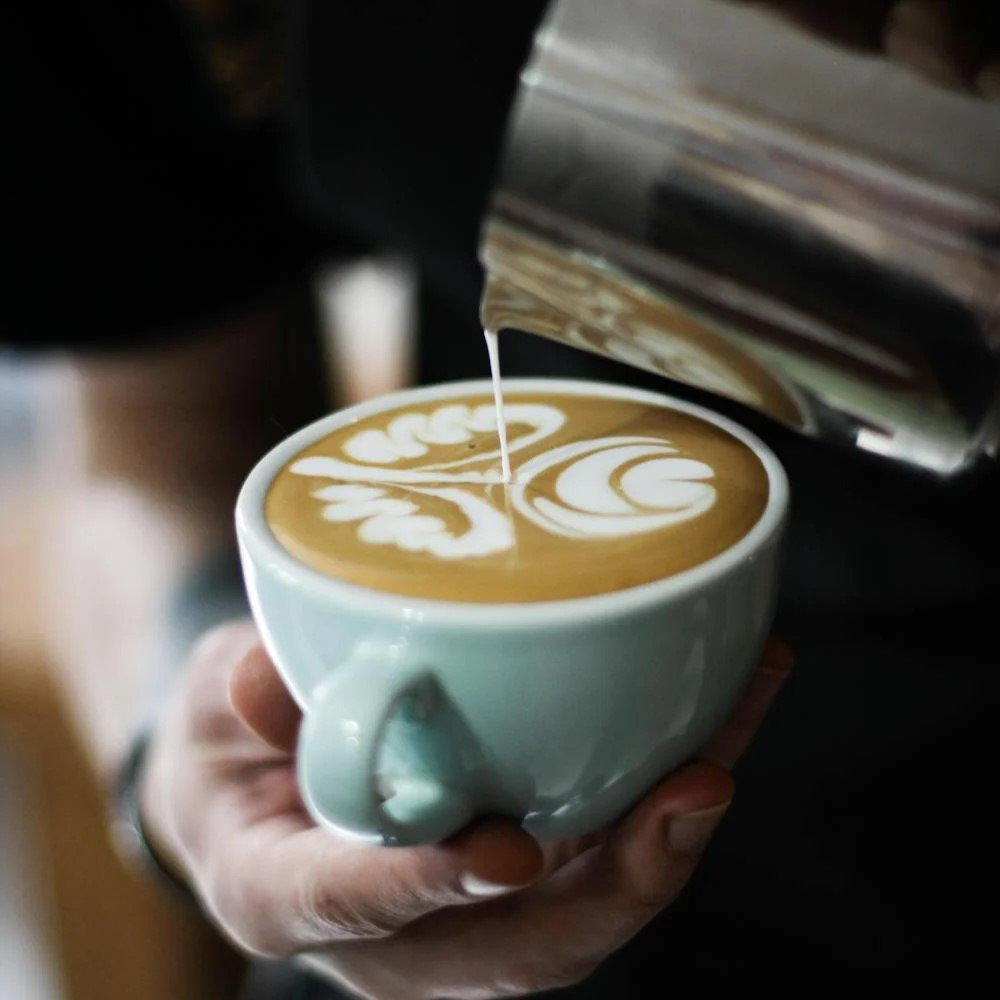
The name derived from the original cafe latte has already been domesticated in our country and coffee with whipped milk, served in a large mug, is one of the most popular drinks offered in cafes. Did you know that it had to travel a long way across the Atlantic to reach us?
A world traveler called coffee
When you consider that the coffee plant originated in Ethiopia, but one of the biggest distributors of coffee is Brazil and, surprisingly, Finns are among the most prolific consumers, no one can deny coffee's global reach. It made friends with milk more than 200 years ago. The name cafe latte (translated as coffee with milk) is first mentioned in sources dating back to 1867. But of course, at that time, coffee lovers had no idea about espresso or whipped milk foam.
Would you like a "LATTE"?
The cafe latte as we know it today was not introduced until the 1950s by barista Lino Meiorin of Berkeley, California. As owner of the popular Caffe Mediterraneium, he began serving cafe lattes to customers who found cappuccinos too small and weak.
The advent of the 21st century has added a variety of flavors to the "latte." The iconic pumpkin spice latte has seen the light of day, and you can also order caramel or vanilla. And the popularity of this coffee drink is certainly not waning.
Would you like to make a caffe latte at home?
- It's enough to brew a strong espresso.
- Pour it into a larger mug of at least ¼ litre capacity.
- Supplement it with milk that you have previously whisked to form a so-called microfoam.
- Serve.
Caution - do not confuse with latte macchiato!
Are you one of those who have not yet realised that café latte and latte macchiato are two different drinks You are certainly not alone. Taking the experts at their word, they'll explain that while a café latte is served in a mug, a latte macchiato requires serving in a glass that lets the different coloured layers of milk, coffee and milk foam stand out. In the former case, you also pour the milk into the coffee, whereas the opposite is true for the latte macchiato.
Do you have everything you need to make a café latte?
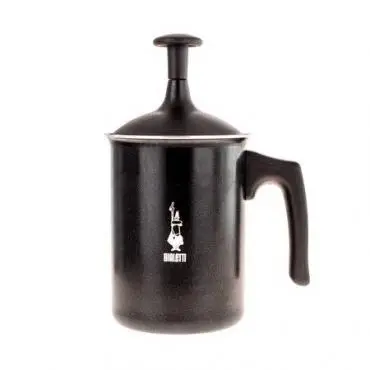
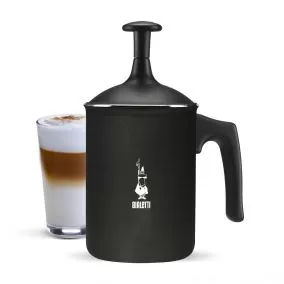
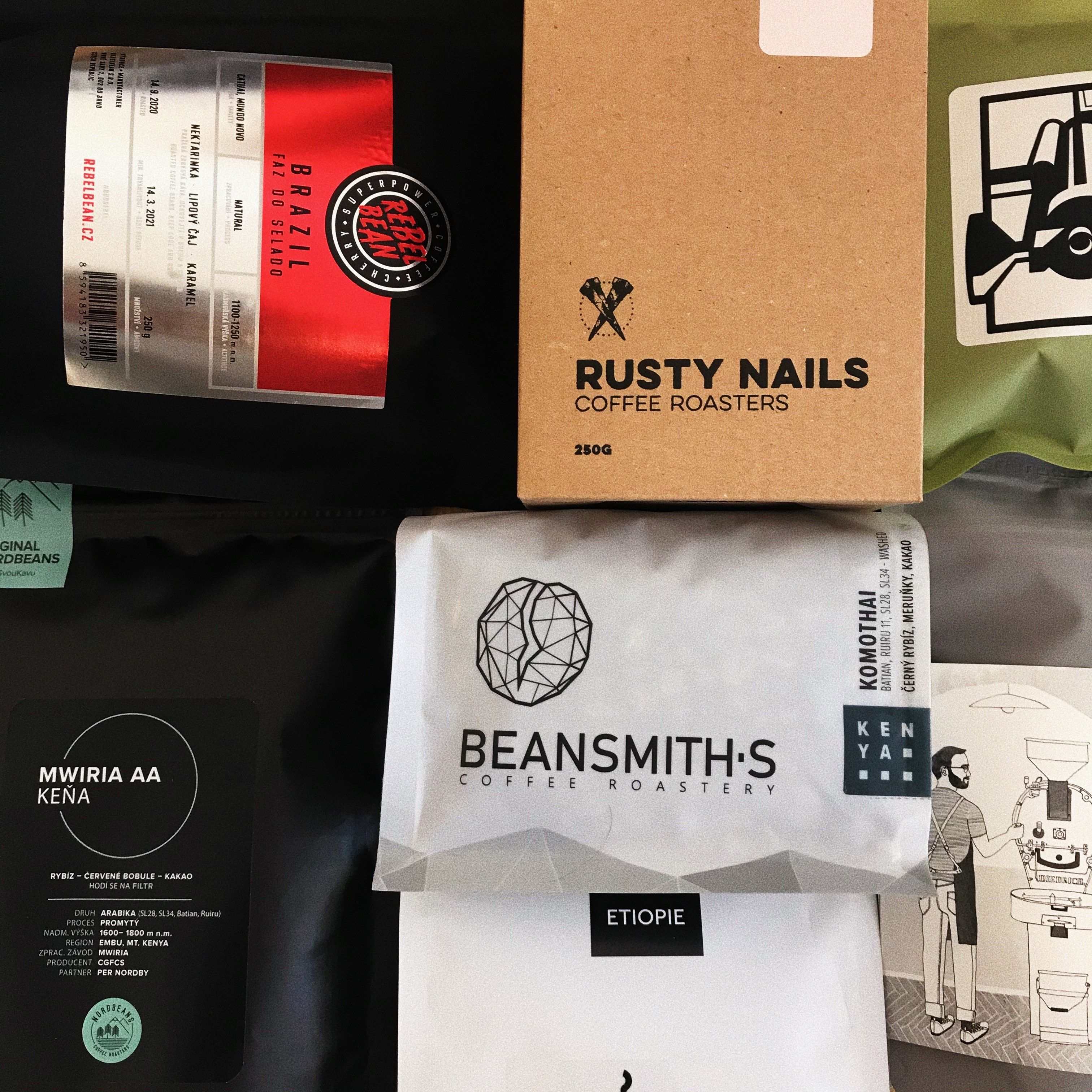
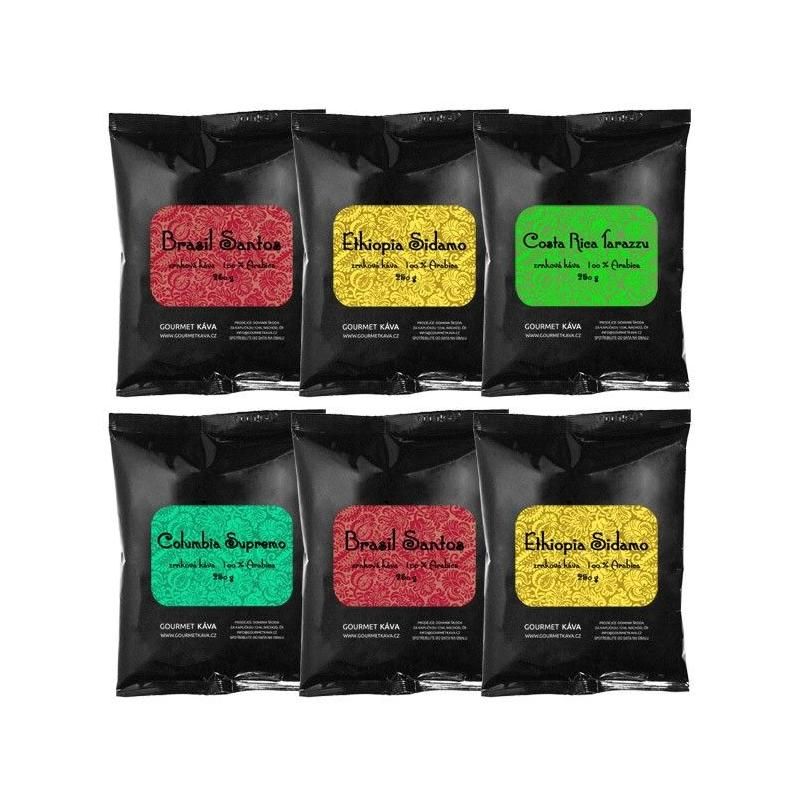
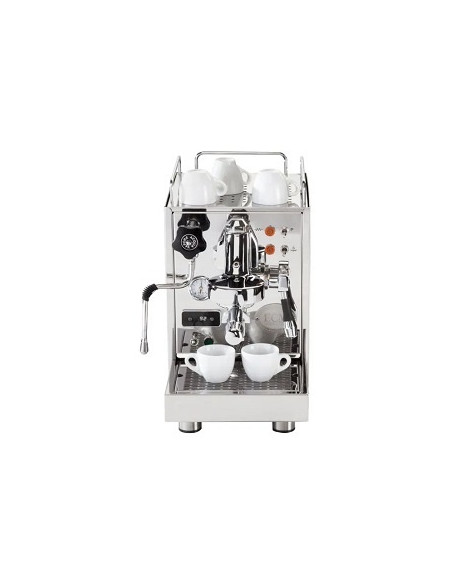
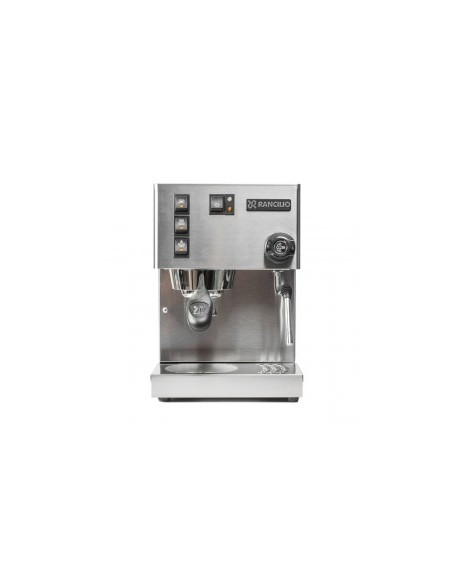
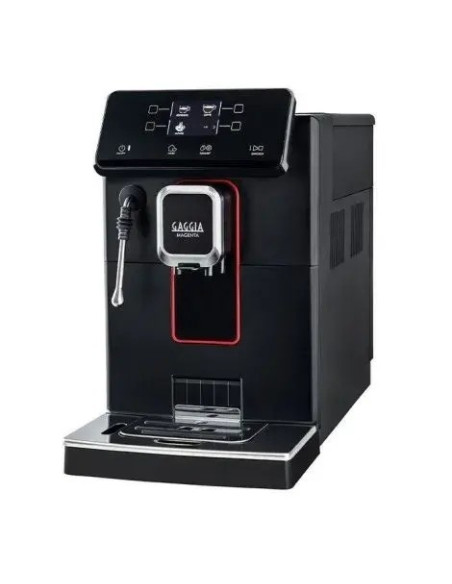
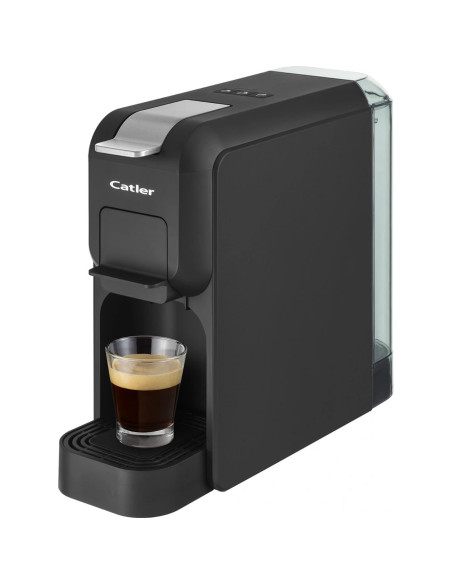
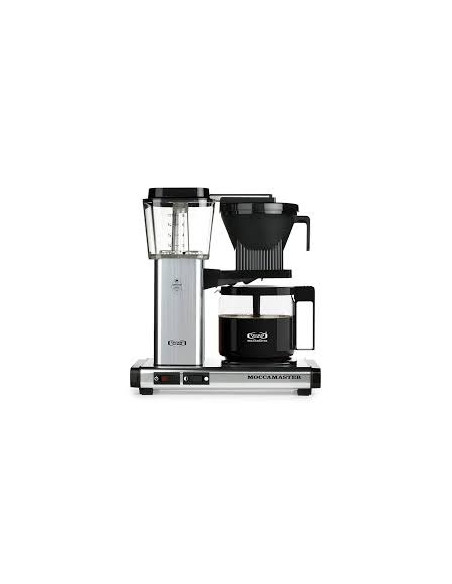
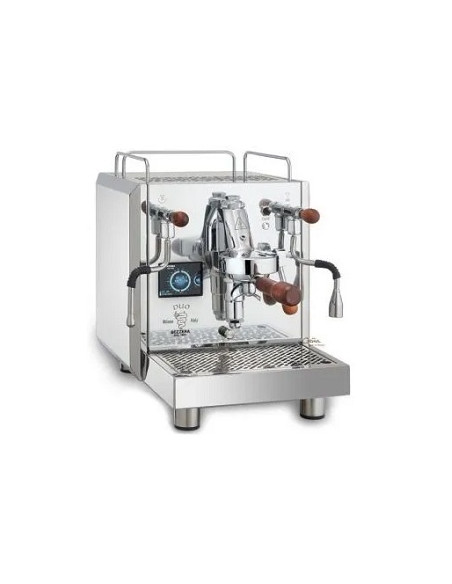
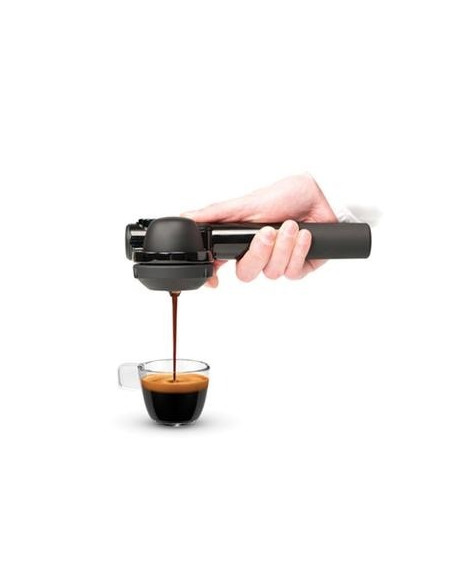
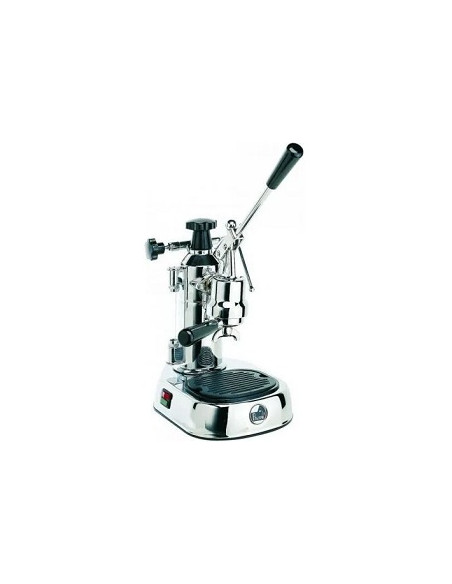
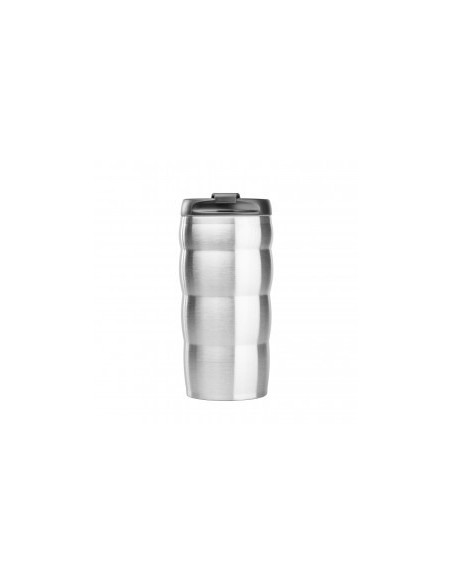
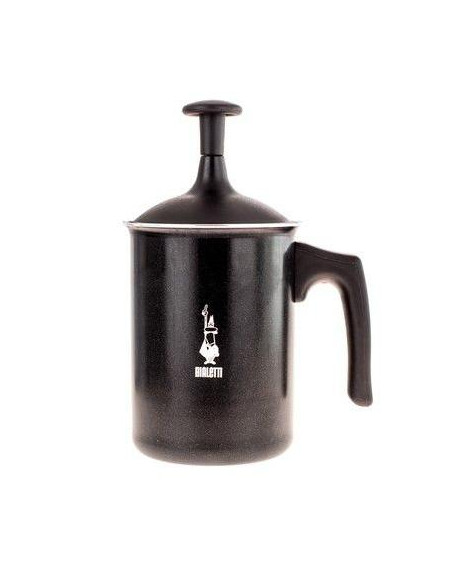
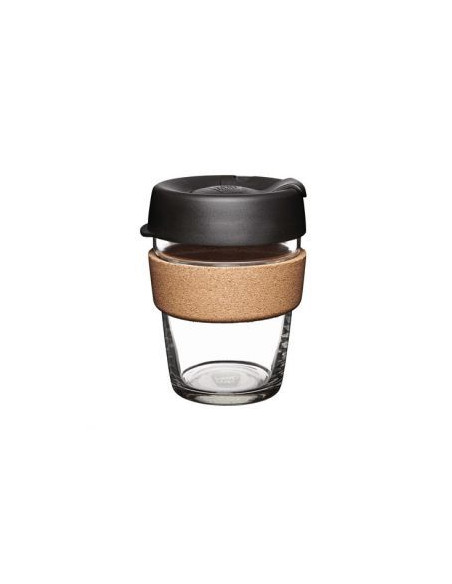
Whoever is missing the most basic helper - that is, a espresso machine - will surely find one in our range. Add some suitable coffee to your basket. You shouldn't forget the milk frother, or browse the range of foamers. And if your latte is going to be your travel companion, buy the right travel mug.
Quick Overview: What is Caffè Latte?
- Brewing Principle: Caffè Latte (often simply called a latte) is a milk-based coffee drink consisting of one or two shots of espresso topped with a large amount of steamed milk and a thin layer of milk foam on the surface.
- Flavor Profile: Due to the high milk-to-espresso ratio, the flavor is very mild, creamy, and naturally sweet. The coffee provides a pleasant undertone without overpowering the milky texture.
- Volume and Serving: The total volume usually ranges between 240 and 300 ml. It is traditionally served in a large porcelain cup with a handle, or in a tall glass (for the Latte Macchiato variation) to display the layers.
How does Caffè Latte differ from Cappuccino and Flat White?
If you find yourself confused by café menus where all milk coffees seem identical, the key to understanding them lies in the ratio of coffee to milk and the density of the milk foam. Each of these drinks delivers a completely different intensity of coffee flavor.
Caffè Latte vs. Cappuccino: A cappuccino is a smaller drink (approx. 150–180 ml) with a much stronger coffee presence. It consists of espresso, steamed milk, and a thick, dense layer of milk microfoam. In contrast, a Caffè Latte is significantly larger, milkier, and has a very thin layer of foam on top (about 0.5 cm). While coffee plays the starring role in a cappuccino, the milk in a latte mellows the coffee to the highest degree possible.
Caffè Latte vs. Flat White: A Flat White is a drink tailored for strong coffee enthusiasts. It is served in a cup similar in size to a cappuccino, but uses two shots of espresso (a double shot) or two ristrettos as a base, topped with steamed milk and an incredibly thin layer of microfoam. Consequently, a Flat White features a strong, intense, and robust coffee flavor, whereas a Caffè Latte is a mild, lighter drink designed for slow sipping.
| Drink Parameter |
Caffè Latte |
Cappuccino |
Flat White |
| Coffee Base |
1x espresso (or double shot) |
1x espresso |
2x espresso (double shot / ristretto) |
| Total Volume |
240–300 ml |
150–180 ml |
160–180 ml |
| Milk-to-Coffee Ratio |
Very high (milk dominates) |
Balanced (1/3 coffee, 1/3 milk, 1/3 foam) |
Low (high coffee concentration) |
| Foam Character |
Thin layer of liquid microfoam (approx. 0.5 cm) |
Thick, creamy, and dense microfoam |
Extremely thin, perfectly smooth microfoam |
| Flavor Intensity |
Very mild, milky, sweet |
Medium, harmonious coffee-milk balance |
Strong, bold, and coffee-forward |
Frequently Asked Questions about Caffè Latte Preparation
1. What is the difference between Caffè Latte and Latte Macchiato?
The difference lies in the pouring order of the ingredients and the final appearance. For a classic Caffè Latte, the espresso is brewed into the cup first and then topped with steamed milk (blending the drink together). For a Latte Macchiato, the steamed milk and foam are poured into a glass first, allowed to settle for a moment, and then the espresso is carefully poured in. This creates a striking dark layer caught between the milk and the foam.
2. How do I properly froth milk for a homemade latte without a professional espresso machine?
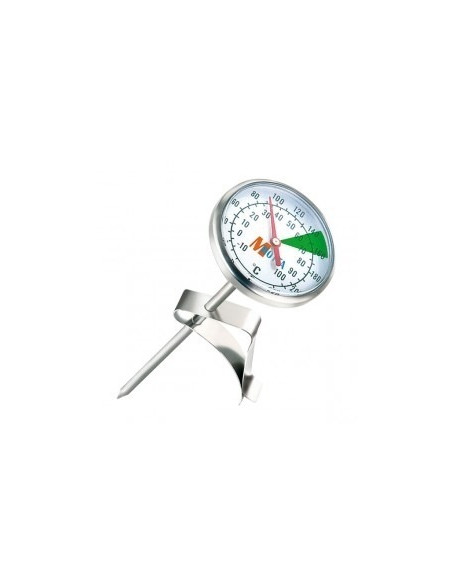
The ideal milk temperature for a latte is 60–65 °C (making the milk sweet without burning it). If you don't have a steam wand, a handheld or electric milk frother works brilliantly, as does a clean French Press. Pour the heated milk into the French Press and pump the plunger up and down rapidly a few times. This yields a surprisingly smooth and velvety microfoam suitable even for practicing Latte Art.
3. Which milk is best for preparation, and do plant-based alternatives work?
For the best texture and a rich, creamy taste, opt for whole cow's milk. Fat carries flavor and helps stabilize the foam. If you prefer plant-based alternatives, look for versions labeled "Barista" (such as oat or almond). These products are enriched with plant proteins and fats, ensuring they won't curdle and can be frothed into a beautiful, stable microfoam.







































 Choose a quality