Do you know who is the father of the popular flat white coffee? And what's the story behind this sought-after coffee drink today?
The search for the roots of the drink known as flat white takes us back to the proto-foreigners and we have to go back in time to the second half of the last century. The year was 1985 when the owner of a Sydney café noticed that the popularity of the cappuccino was slowly waning. His customers were increasingly returning to the traditional espresso. So Alan Preston started offering a coffee specifically for them at his Moors Espresso Bar, which he named the flat white.
Simplicity is power
What is a flat white? When two espressos and whipped milk meet, a flat white is born. Some sources refer to New Zealand as the country of origin, but today we'd be hard pressed to track down relevant historical sources. In the end, it's not so much about where the flat white comes from as whether its taste and specific characteristics live up to your expectations.
What should you know to prepare it?
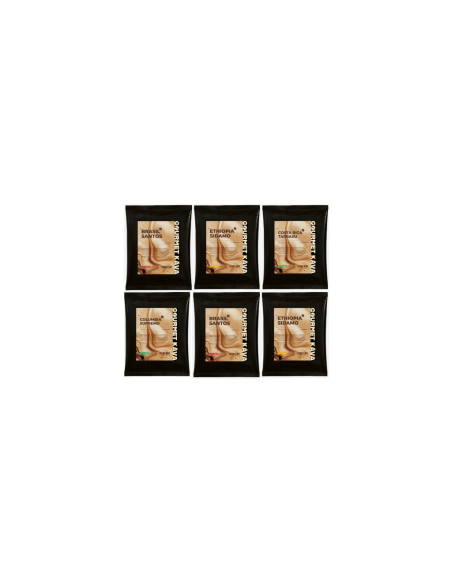
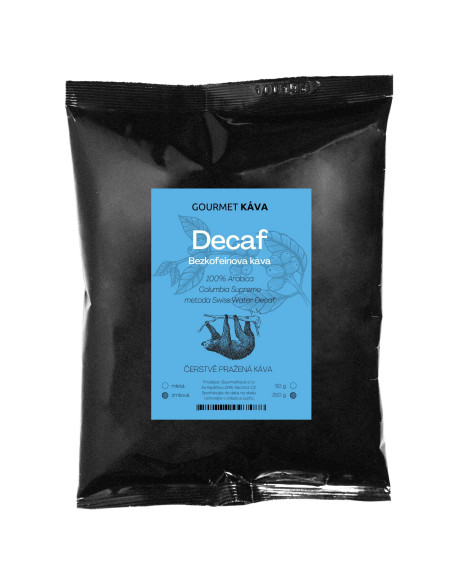
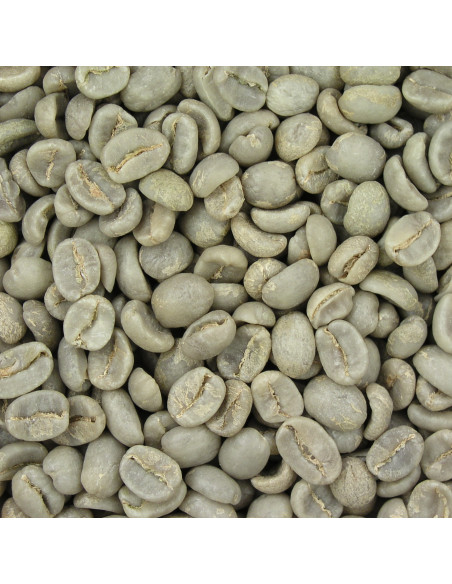
- The key to success is choosing premiumcoffee when making espresso, take inspiration from our range.
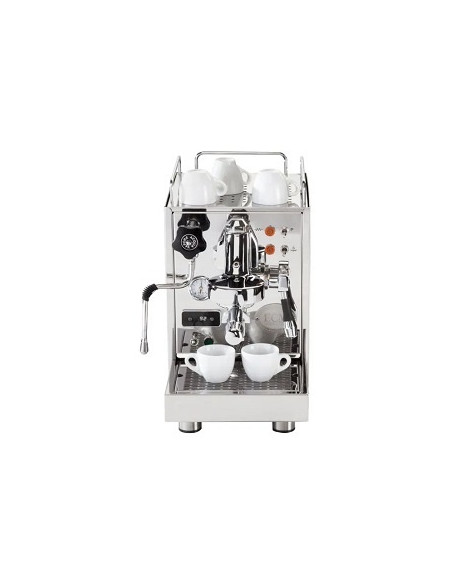
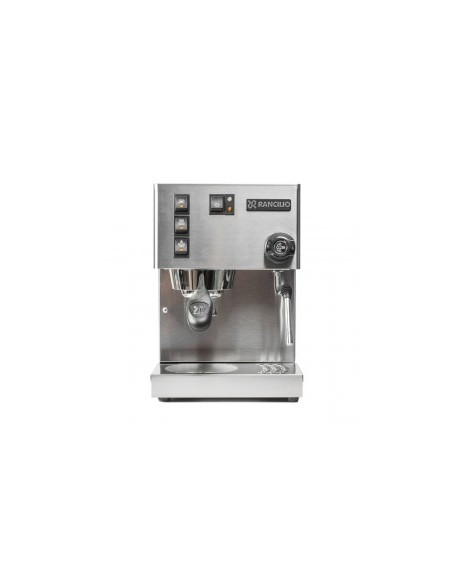
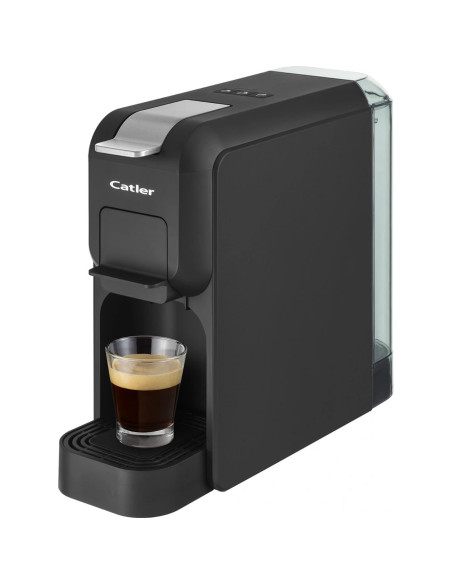
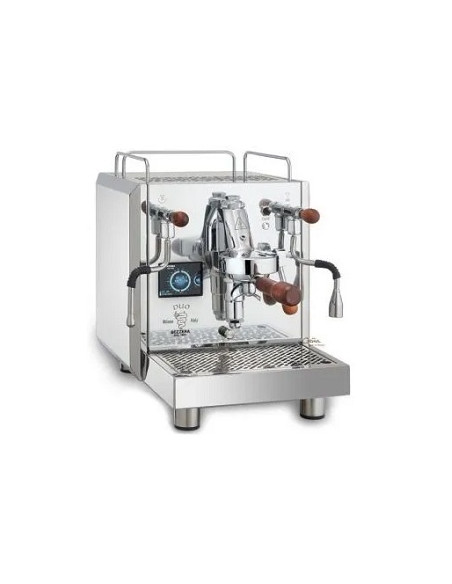
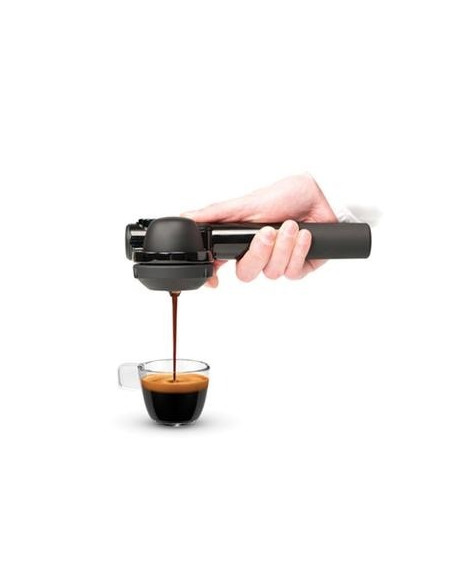
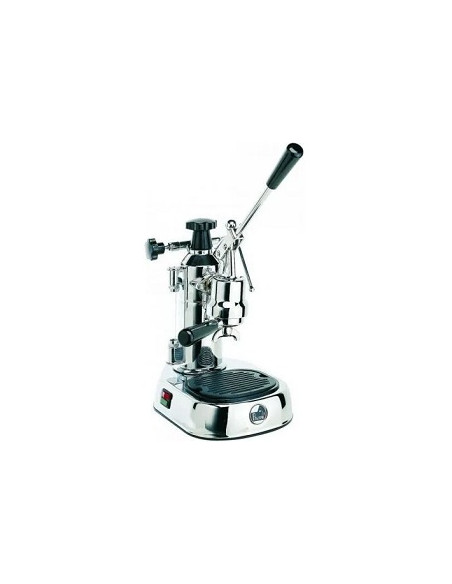
- Also help you with choosing the coffee machine to make the best espresso.
- Milk should be used whole milk; those who prefer plant milks can, of course, reach for soy, oat or other milks. You can buy milk alternatives for coffee in the highest quality.
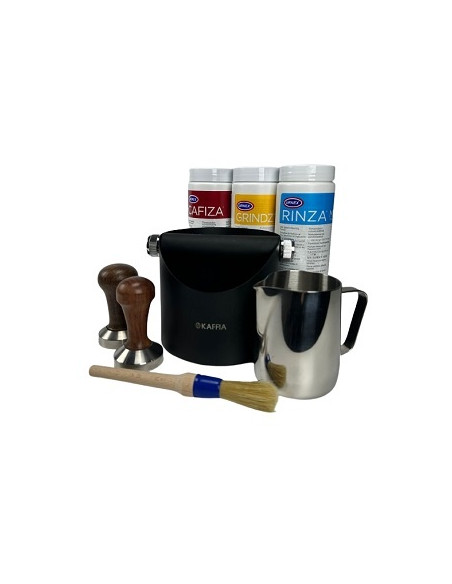
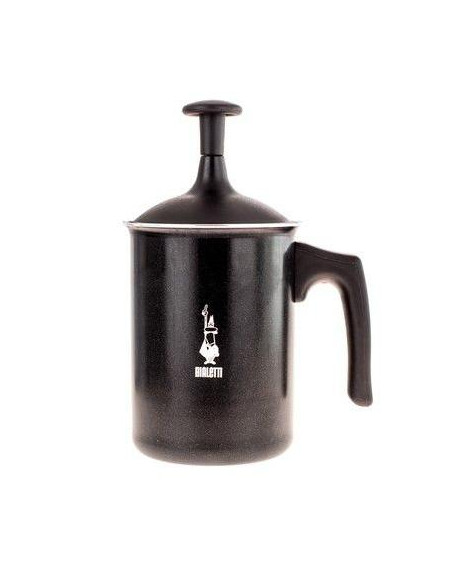
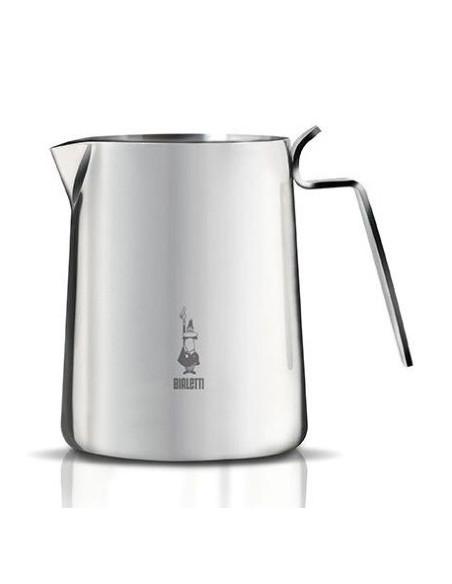
- Whoever is thinking about latte art should definitely start by getting a quality milk jug.
Recipe for flat white coffee
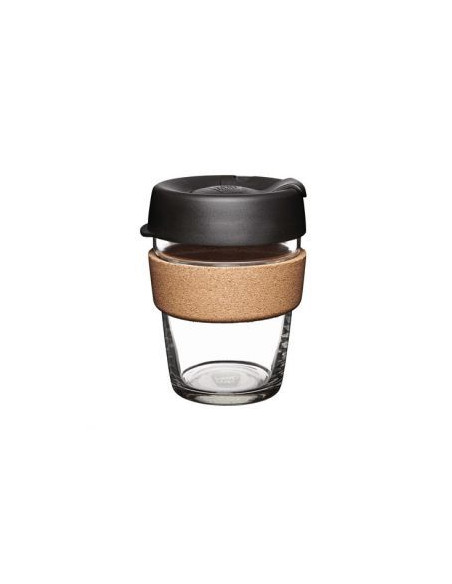
- Make two espressos to pour into a cup or special glass.
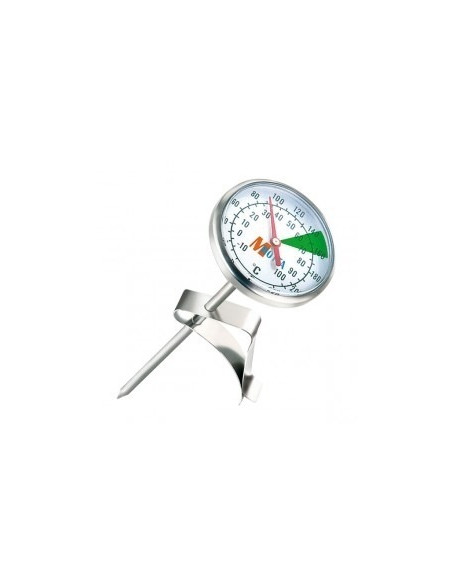
- Whisk the milk to a temperature of around 60°C. There is no harm in using a special thermometer.
- Have you noticed how experienced baristas hit the whipped milk jug against the counter and then give it a little wiggle? Be sure to do that too. The milk will be smooth, velvety and you'll get rid of unwanted bubbles.
- Pour the milk carefully into the coffee.
- If you dare to be artistic, you can try the so-called latte art and pour the milk into the coffee to create all sorts of shapes.
Quick Overview: What is a Flat White?
- Drink Composition: The base is a double espresso (doppio or ristretto) of approximately 50–60 ml, complemented by 100–120 ml of warm, finely frothed milk.
- Main Distinction: Unlike a traditional cappuccino, it does not have a thick layer of stiff foam on top. The milk is steamed into a liquid, velvety microfoam that creates only a thin, glossy surface flush with the rim of the cup.
- Flavor and Characteristics: It features a strong and distinct coffee flavor, softened by the natural sweetness of whole milk heated to 60–65 °C. It is typically served in a cup with a total volume of 150–180 ml.
How does a Flat White differ from a Cappuccino and a Caffè Latte?
Distinguishing between modern milk-based coffee drinks can sometimes be a puzzle, as they all share the same basic ingredients – espresso and warm milk. However, the main difference lies in the coffee-to-milk ratio and the texture of the milk foam.
Flat White vs. Cappuccino: A traditional cappuccino is prepared with a single espresso (30 ml) and is dominated by a roughly 1.5 to 2 cm high, relatively thick and airy milk foam layer. In contrast, a Flat White relies on a stronger coffee base of a double espresso (50–60 ml). The milk is poured in as a liquid emulsion without large bubbles, forming only a very thin layer on top. The result is a much more intense coffee experience than a cappuccino.
Flat White vs. Caffè Latte: A Caffè Latte is typically the milkiest drink of the three, standardly served in a large cup or glass of 250–300 ml. It contains a single espresso and a large amount of warm milk with a fine line of foam on top. A Flat White is significantly smaller in total volume (up to 180 ml), contains double the amount of coffee, and the milk microfoam is perfectly blended with the coffee crema throughout the cup.
| Drink Parameter |
Flat White |
Cappuccino |
Caffè Latte |
| Coffee Base |
Double espresso (Doppio / Ristretto) |
Single espresso |
Single espresso |
| Coffee Volume |
approx. 50–60 ml |
approx. 30 ml |
approx. 30 ml |
| Milk Texture |
Microfoam (liquid, smooth) |
Thicker, airy milk foam |
Warm milk + thin layer of foam |
| Total Drink Volume |
150–180 ml |
150–180 ml |
250–300 ml |
| Milk Temperature |
60–65 °C |
60–65 °C |
60–70 °C |
Frequently Asked Questions about Preparation
1. What kind of milk is best for making a velvety Flat White?
To achieve the right texture without large bubbles, it is ideal to use chilled whole milk with a fat content of at least 3.5%. The higher proportion of fat and protein ensures creaminess and a sweet taste when heated. If you prefer plant-based alternatives, choose products labeled "Barista" (oat or almond) – their composition is adjusted to hold texture and not curdle during steaming.
2. Can a Flat White be made at home without a manual espresso machine?
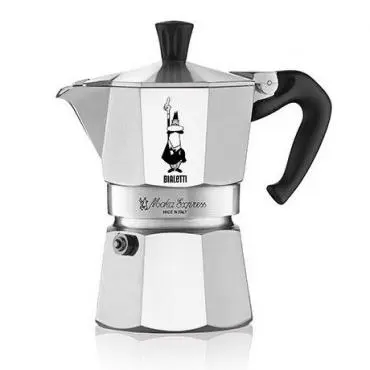
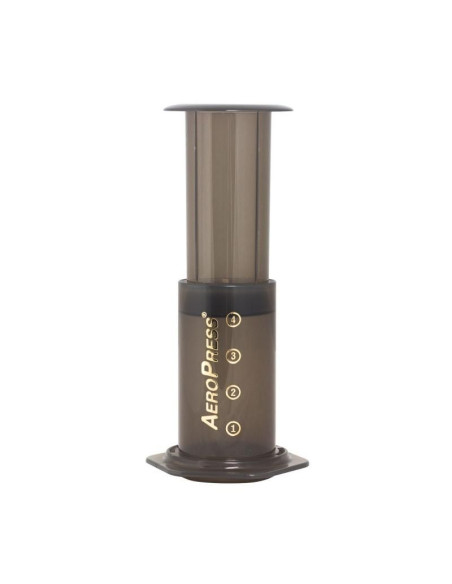
Yes, you can manage it, although mimicking professional microfoam requires some practice. You can prepare a strong coffee base (50–60 ml) in a Moka pot or by a stronger extraction in an AeroPress. Then heat the milk to around 60 °C and froth it either in a French press (by rapidly moving the plunger up and down at the bottom of the container) or with a handheld battery frother. Aim to keep the milk liquid and avoid creating a stiff "cap".
3. Why is it important to keep the milk temperature around 65 °C?
At temperatures between 60 and 65 °C, the lactose (milk sugar) breaks down optimally, making the drink naturally sweet so there is no need to add sugar. If you overheat the milk above 70 °C, the proteins begin to denature. The milk then acquires an unpleasant scalded taste, loses its sweetness, and the fine foam collapses immediately.























































 Choose a quality