
Shopping Cart


















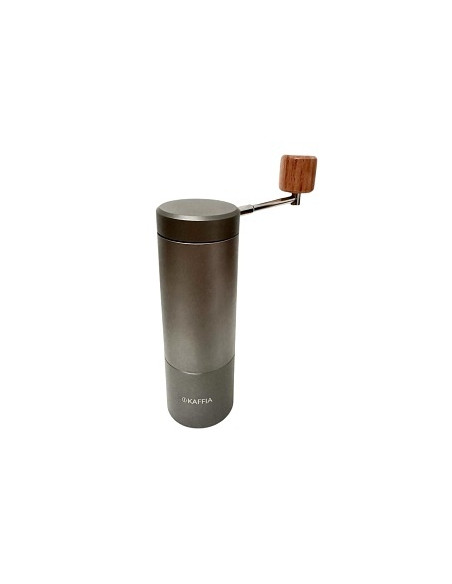
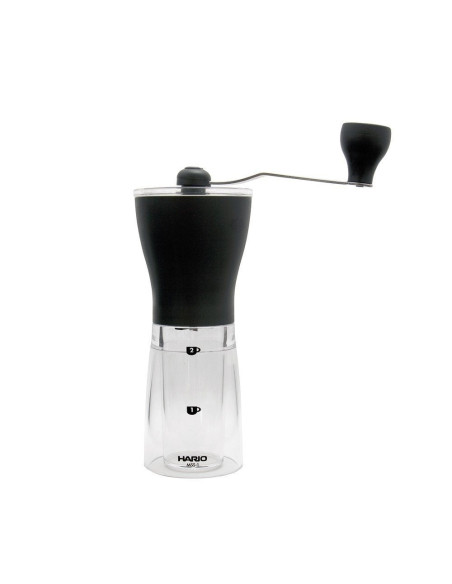
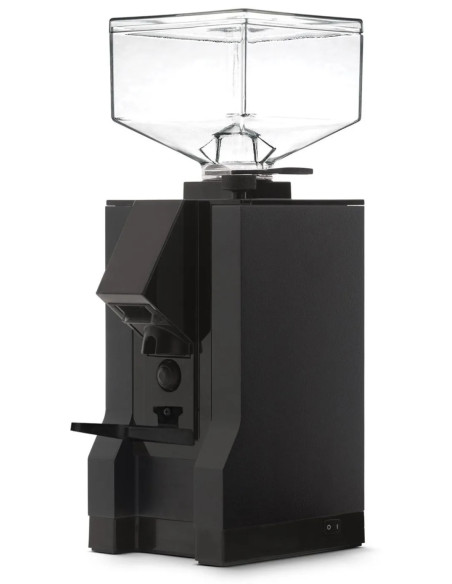
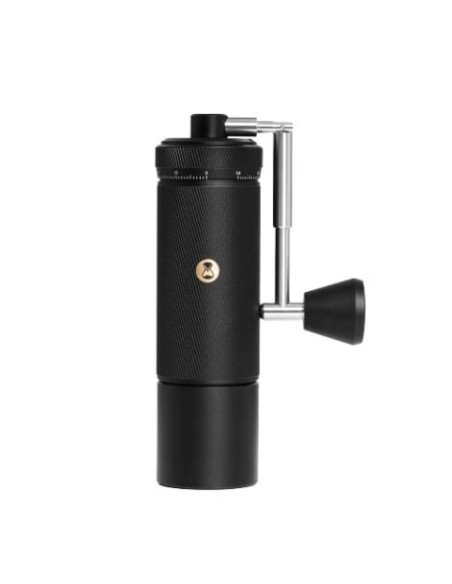



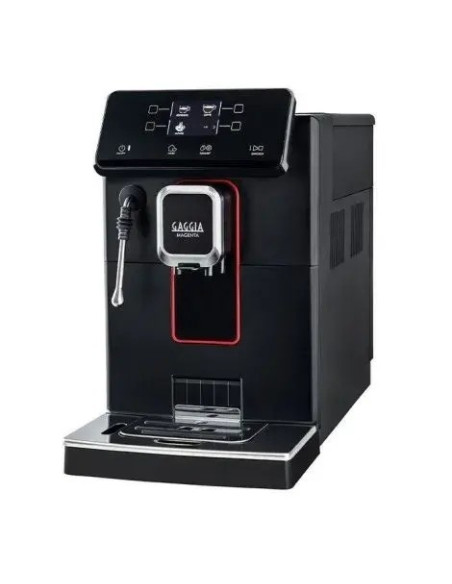
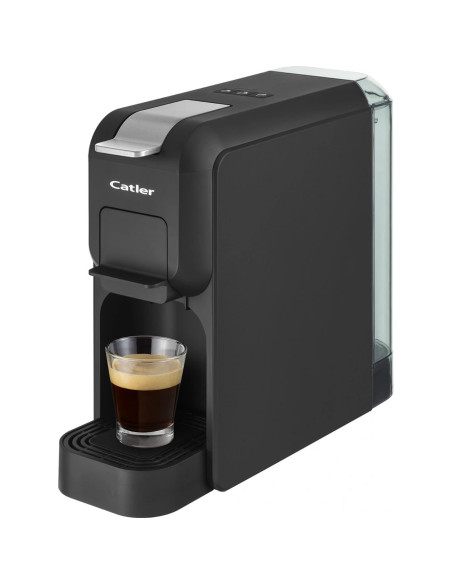
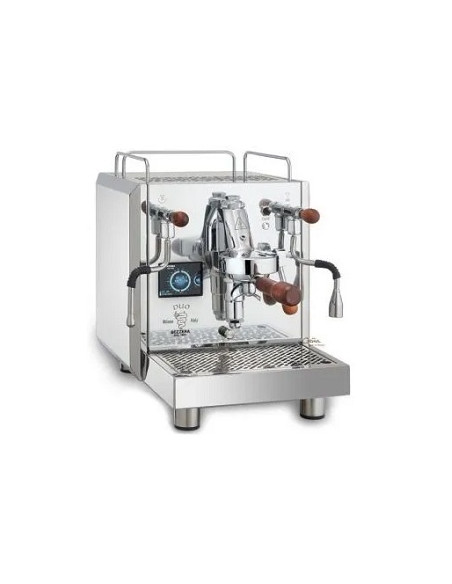

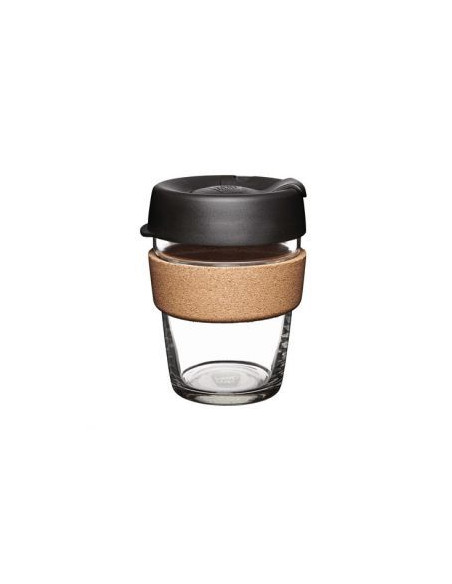
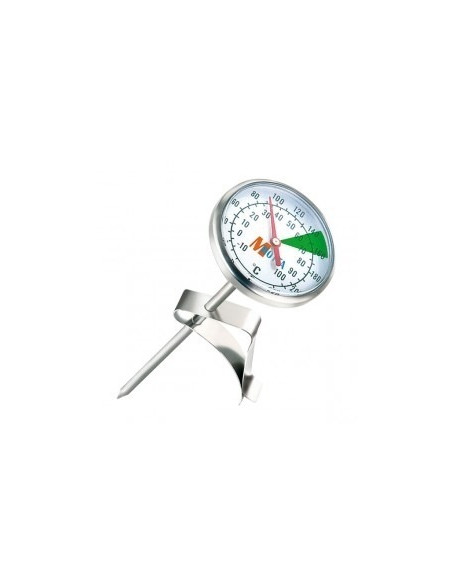
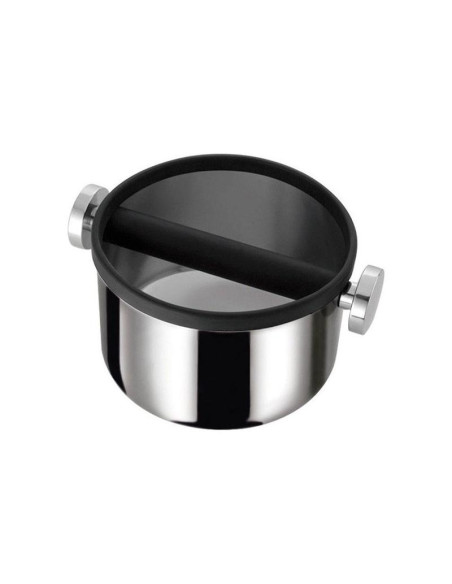





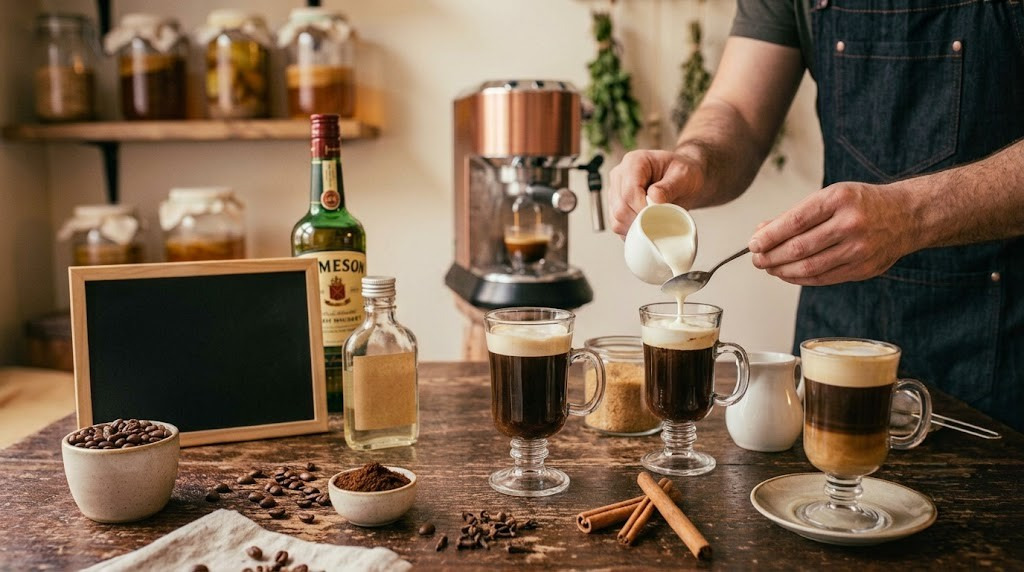
Irish Coffee originated in Ireland in the 1940s as a warming drink for travellers after a long, cold journey. It combines strong hot coffee, Irish whiskey, sugar and lightly whipped cream. Proper Irish Coffee is not just “coffee with alcohol”, but an elegant layered drink in which hot coffee is sipped through a cooler cream layer.
Brief introduction: What is Irish Coffee?
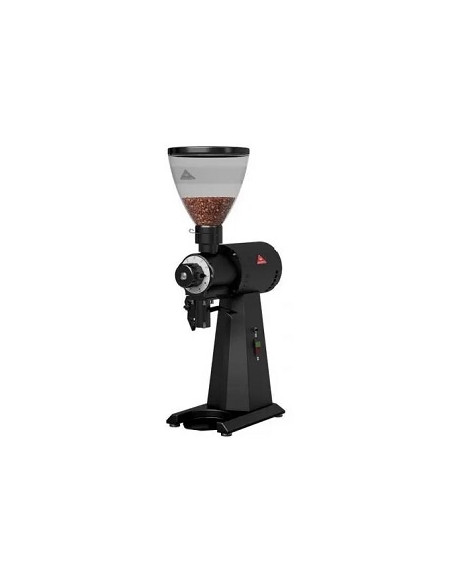
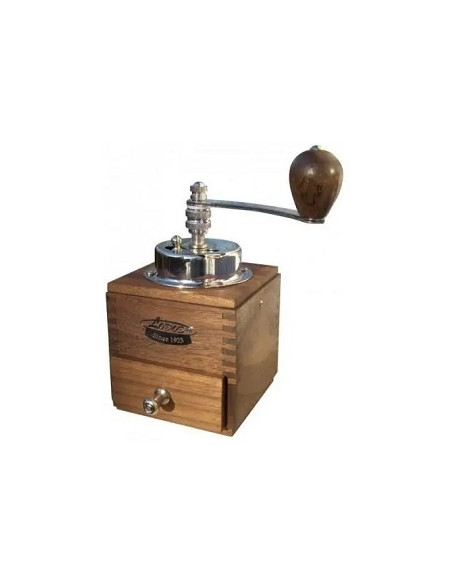
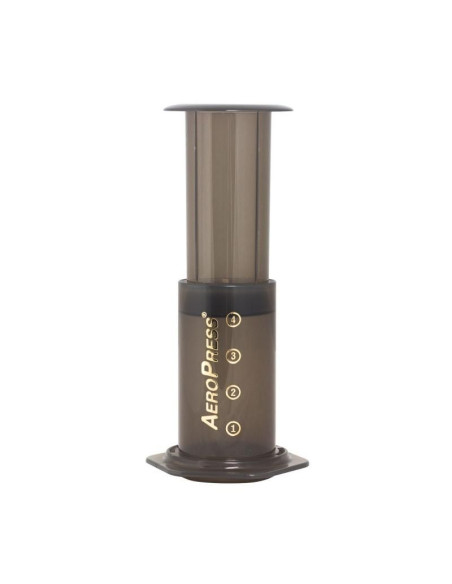
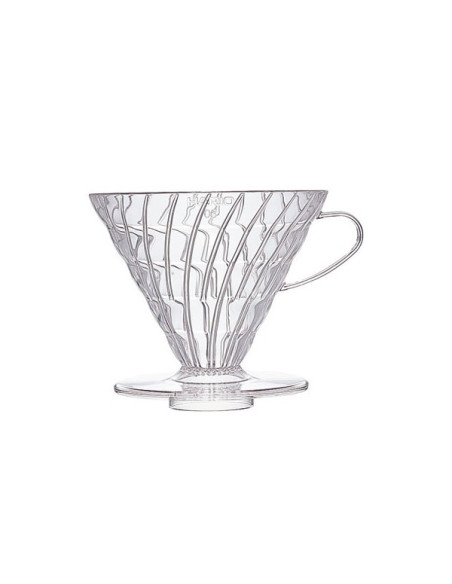
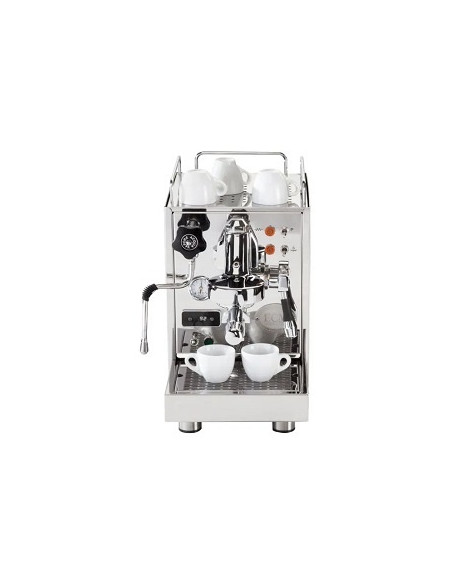
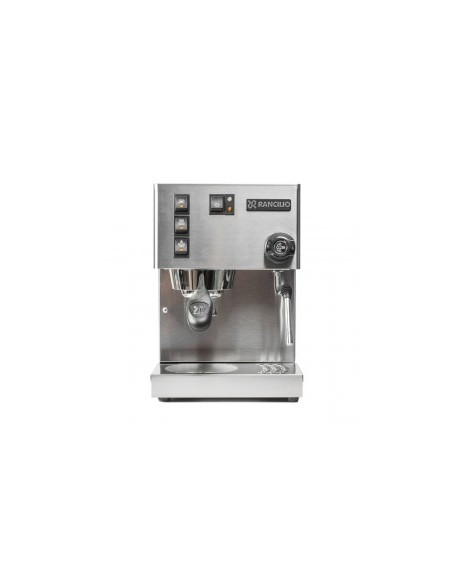
- Preparation principle: Brew strong coffee using 14–20 g of freshly ground coffee depending on the chosen method. For an espresso base, use a double basket portafilter and aim for about 36–40 g of espresso in 25–30 seconds. For a more traditional version, use about 120–150 ml of strong filter coffee, add 30–40 ml of Irish whiskey, sugar and carefully float lightly whipped cream on top.
- Flavour profile: Irish Coffee has a full, warming body, aromatic coffee bitterness, gentle sugar sweetness and a clear whiskey note. Cream adds a velvety texture, softens the alcohol and creates a long creamy-coffee aftertaste with notes of caramel, oak, vanilla and roasted coffee.
- Volume and serving: It is usually served in a preheated handled glass of about 180–240 ml. The drink is not stirred after the cream is added; the right experience comes from drinking hot coffee through the cooler cream layer. Water may be served alongside it as with strong coffee.
How is Irish Coffee different from other coffee classics?
Irish Coffee is defined by the combination of hot coffee, Irish whiskey, sugar and cream in one layered drink. Unlike espresso or lungo, it is not a purely coffee-focused experience, but a warming alcoholic specialty where balance between coffee bitterness, sweetness, alcohol and creamy softness is essential.
Compared with Algerian coffee, Irish Coffee is less sweet and more clearly alcohol-driven. Algerian coffee uses egg liqueur and whipped cream, making it more dessert-like, creamier and more vanilla-forward. Irish Coffee is drier, more aromatic and warmer thanks to whiskey.
Compared with Viennese Coffee, Irish Coffee is more complex and intense. Viennese Coffee mainly combines coffee and whipped cream, while Irish Coffee adds alcohol, sugar and a distinct cream layer. Properly prepared cream should not be mixed into the coffee, but stay on top as a gentle contrast.
Irish Coffee compared with similar coffee drinks
| Drink parameter | Irish Coffee | Algerian coffee | Viennese Coffee |
|---|---|---|---|
| Input coffee dose | 14–20 g depending on brewing method | 18–20 g for the espresso base | 18–20 g for espresso or strong coffee |
| Output weight / volume | 120–150 ml coffee + 30–40 ml whiskey + cream | 30–40 ml espresso + 20–40 ml egg liqueur + whipped cream | 120–180 ml coffee + whipped cream |
| Brew Ratio | 1:2 for espresso base or 1:15 to 1:17 for filter coffee | 1:2 for espresso base | 1:2 for espresso base or longer extraction depending on recipe |
| Extraction time | 25–30 seconds for espresso or several minutes for filter coffee | 25–30 seconds for espresso | 25–30 seconds for espresso or several minutes for filter coffee |
| Consistency and body | Warming, layered, creamy and alcoholic | Creamy, sweet, liqueur-like and dessert-style | Soft, whipped-cream based, more coffee-forward and less alcoholic |
| Main flavour notes | Coffee, whiskey, brown sugar, cream, caramel | Espresso, egg liqueur, vanilla, cream, caramel | Coffee, whipped cream, cocoa, gentle sweetness |
| Caffeine content per cup | Approximately 60–120 mg, depending on coffee and volume | Approximately 60–90 mg, depending on espresso used | Approximately 60–120 mg, depending on coffee volume |
Frequently asked questions about preparing Irish Coffee
Is Irish Coffee stronger than regular coffee?
In terms of caffeine, it does not have to be stronger than classic filter coffee or a double espresso. However, whiskey makes the drink feel warmer and more intense. Caffeine content is determined by the chosen coffee base, while alcohol is a separate factor.
How should I brew the coffee so Irish Coffee is not watery or bitter?
If using espresso, aim for 36–40 g of yield from 18–20 g of coffee in 25–30 seconds. For filter coffee, choose a fuller extraction at around 1:15 to 1:17. The coffee must be strong enough to carry whiskey, sugar and cream, but it should not taste burnt, harsh or over-extracted.
Which coffee beans are best for Irish Coffee?
Medium to medium-dark roasted coffees with notes of chocolate, caramel, nuts or dried fruit work best. Brazil, Colombia or a balanced espresso blend are good choices. Very light and highly acidic coffees can taste sharp with whiskey, while overly dark roasts may burden the drink with burnt bitterness.
