
Shopping Cart















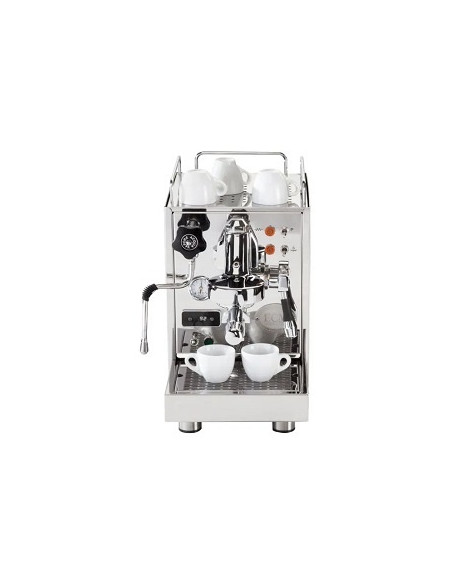
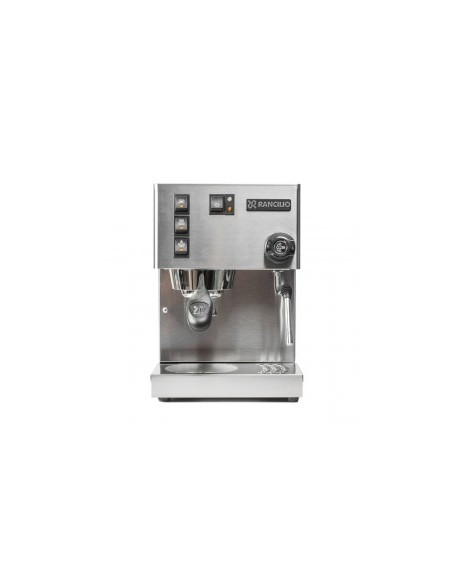
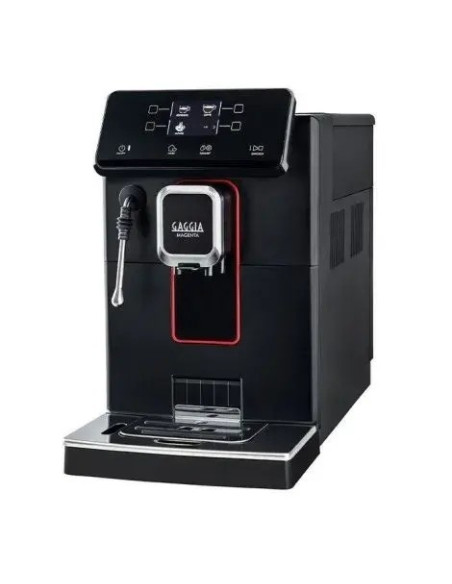
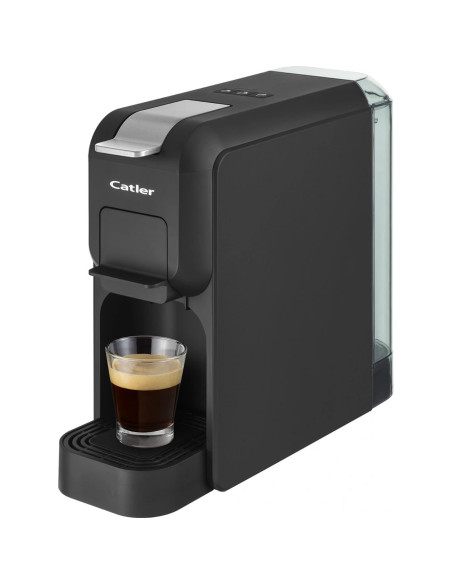







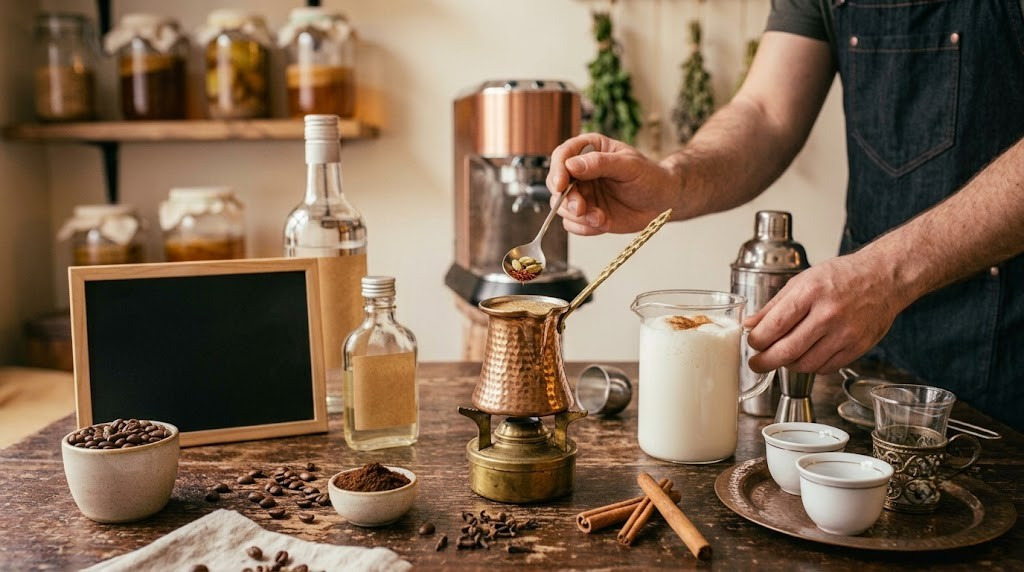
Algerian coffee, as known in Central European cafés, is a sweet coffee specialty rather than a traditional drink from Algeria. It combines strong coffee, egg liqueur and whipped cream into a dessert-like cup. Its popularity comes from the contrast between aromatic coffee bitterness, creamy liqueur sweetness and the soft texture of whipped cream.
Brief introduction: What is Algerian coffee?
- Preparation principle: Brew a strong espresso using 18–20 g of freshly ground coffee in a double basket portafilter. The target yield should be around 36–40 g of espresso, roughly 30–40 ml, with an extraction time of about 25–30 seconds. Pour 20–40 ml of egg liqueur into a warmed glass or cup, add the coffee and top with whipped cream.
- Flavour profile: Algerian coffee has a fuller dessert-like body, creamy texture and pronounced sweetness. The flavour combines espresso bitterness, vanilla-egg liqueur sweetness, gentle dairy creaminess and a long sweet aftertaste.
- Volume and serving: It is usually served in a handled glass or tall transparent cup of about 150–220 ml. It is served with a spoon, either unmixed or lightly stirred. Water may be served alongside it as with classic coffee.
How is Algerian coffee different from other coffee classics?
Algerian coffee sits between a coffee drink, a dessert and a lightly alcoholic specialty. Unlike espresso or lungo, the goal is not pure coffee clarity but a layered combination of coffee, egg liqueur and whipped cream. Coffee brings bitterness and aroma, while the liqueur adds sweetness, creaminess and gentle alcoholic warmth.
Compared with Viennese coffee, Algerian coffee is sweeter, fuller and more dessert-like. Viennese coffee relies mainly on coffee and whipped cream, while Algerian coffee adds egg liqueur, which changes both flavour and texture significantly.
Compared with Irish Coffee, Algerian coffee is softer and creamier. Irish Coffee uses whiskey and often brown sugar, so it feels sharper, warmer and more alcoholic. Algerian coffee is smoother, sweeter and closer to a café dessert.
Algerian coffee compared with similar coffee drinks
| Drink parameter | Algerian coffee | Viennese Coffee | Irish Coffee |
|---|---|---|---|
| Input coffee dose | 18–20 g for the espresso base | 18–20 g for espresso or strong coffee | 14–20 g depending on the coffee base |
| Output weight / volume | 30–40 ml espresso + 20–40 ml egg liqueur + whipped cream | 120–180 ml coffee + whipped cream | 120–180 ml coffee + whiskey, sugar and cream |
| Brew Ratio | 1:2 for the espresso base | 1:2 for espresso base or longer extraction depending on recipe | 1:2 to 1:15 depending on the brewing method |
| Extraction time | 25–30 seconds for espresso | 25–30 seconds for espresso or several minutes for filter coffee | 25–30 seconds for espresso or several minutes for filter coffee |
| Consistency and body | Creamy, sweet, dessert-like and full | Soft, whipped-cream based, more coffee-forward | Warming, alcoholic, lightly creamy |
| Main flavour notes | Espresso, vanilla, egg liqueur, cream, caramel | Coffee, whipped cream, cocoa, gentle sweetness | Coffee, whiskey, brown sugar, cream |
| Caffeine content per cup | Approximately 60–90 mg, depending on the coffee used | Approximately 60–120 mg, depending on coffee volume | Approximately 60–120 mg, depending on the coffee base |
Frequently asked questions about preparing Algerian coffee
Is Algerian coffee weaker because it contains liqueur and whipped cream?
No. Liqueur and whipped cream do not reduce caffeine; they only soften flavour and round out bitterness. The caffeine content comes from the coffee used. However, the drink contains alcohol, so it is better treated as a dessert specialty than as a regular afternoon coffee.
How should I set the grinder so Algerian coffee is not bitter?
The foundation is balanced espresso. From 18–20 g of coffee, aim for 36–40 g of espresso in 25–30 seconds. If the coffee tastes sharp and dry, grind slightly coarser. If it is thin and sour, try a finer grind. Sweet liqueur highlights extraction flaws, so avoid over-extracting the espresso.
