
Shopping Cart























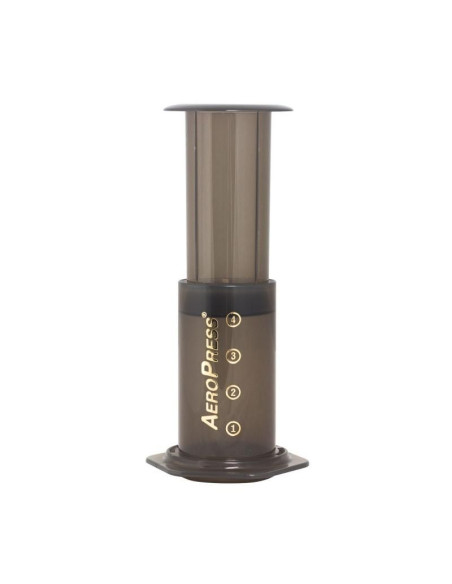
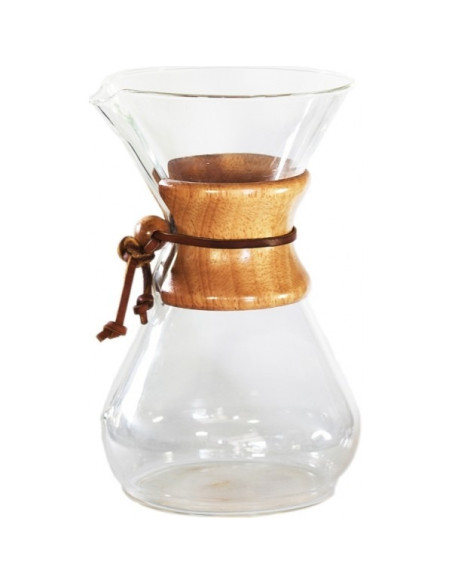

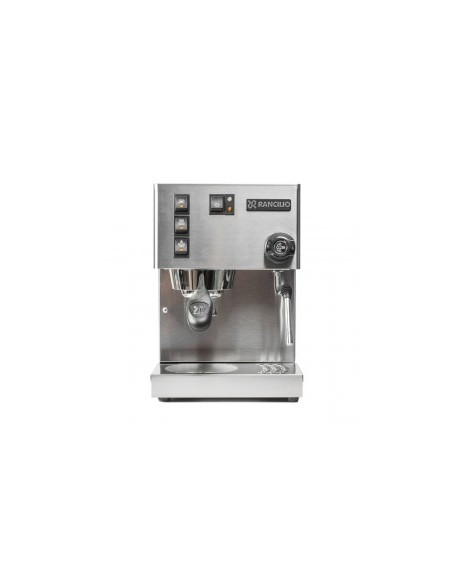
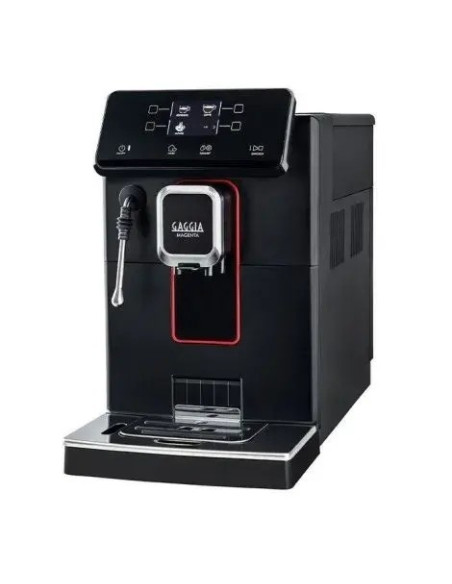
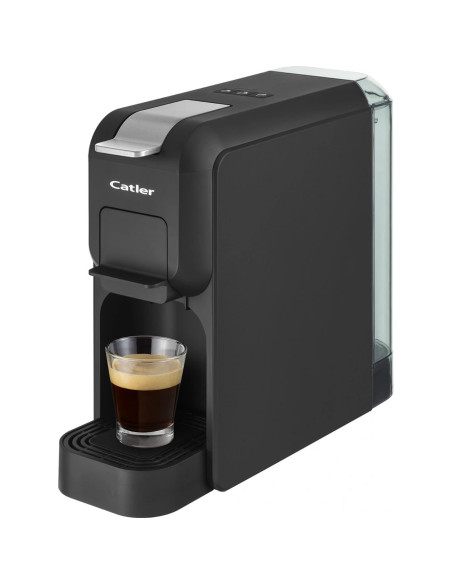
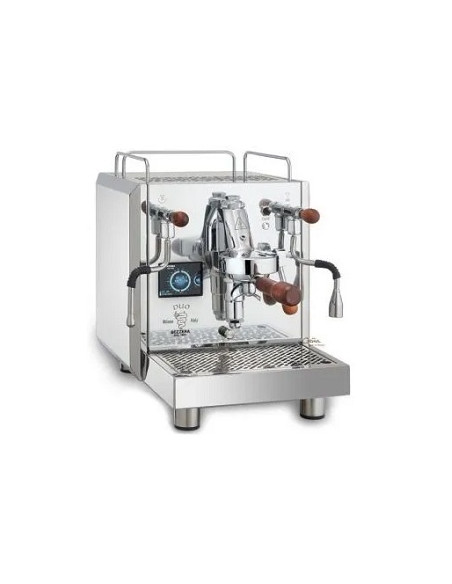
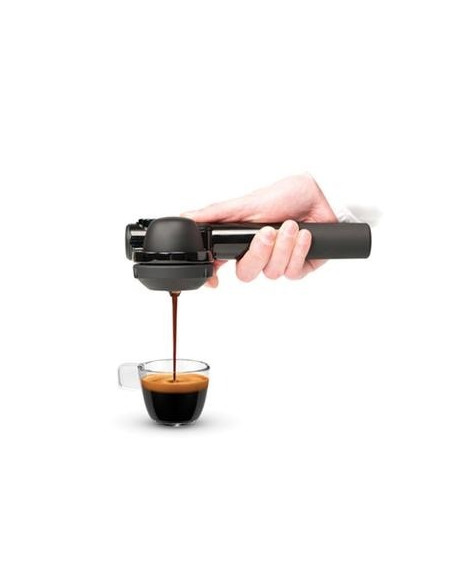
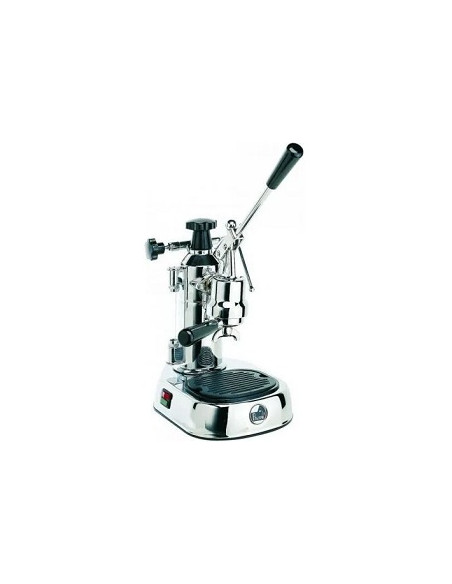
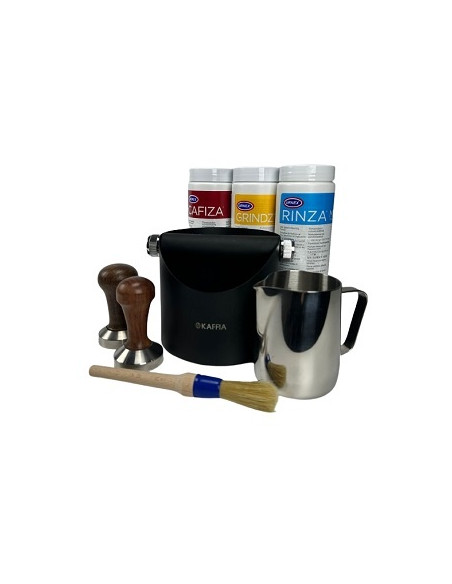

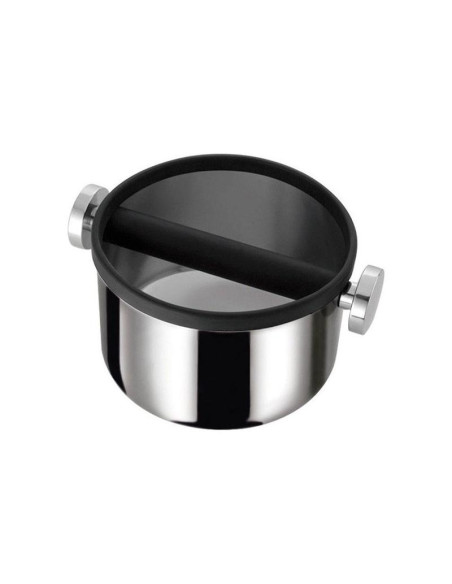

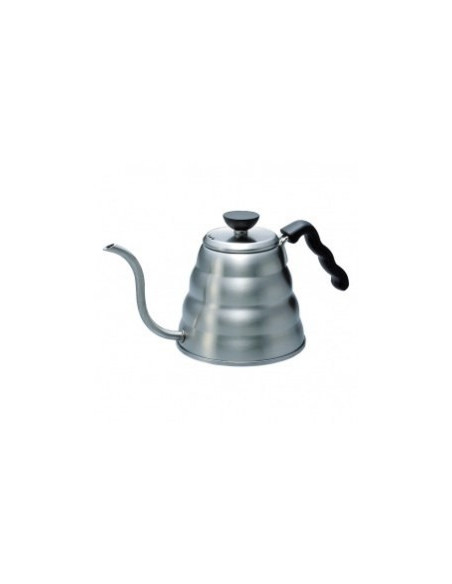
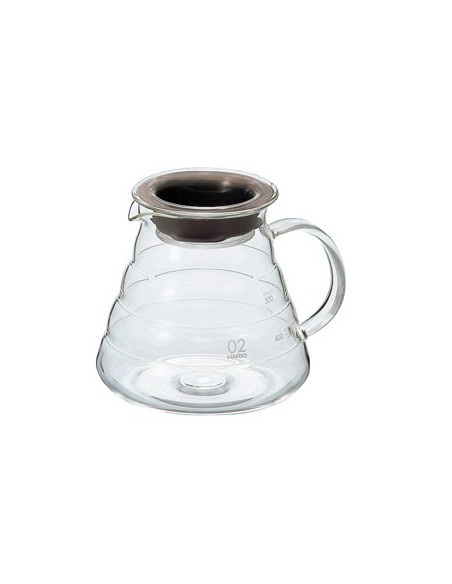
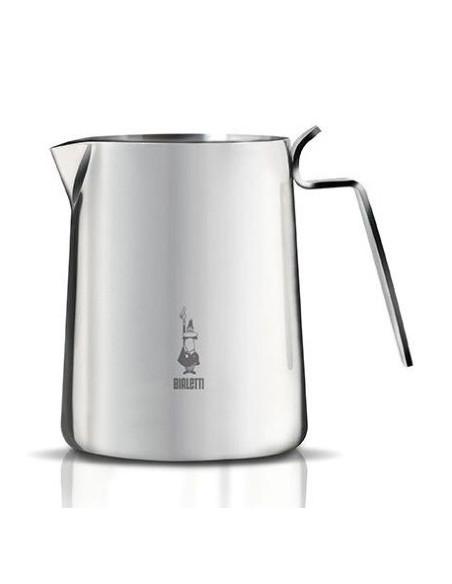





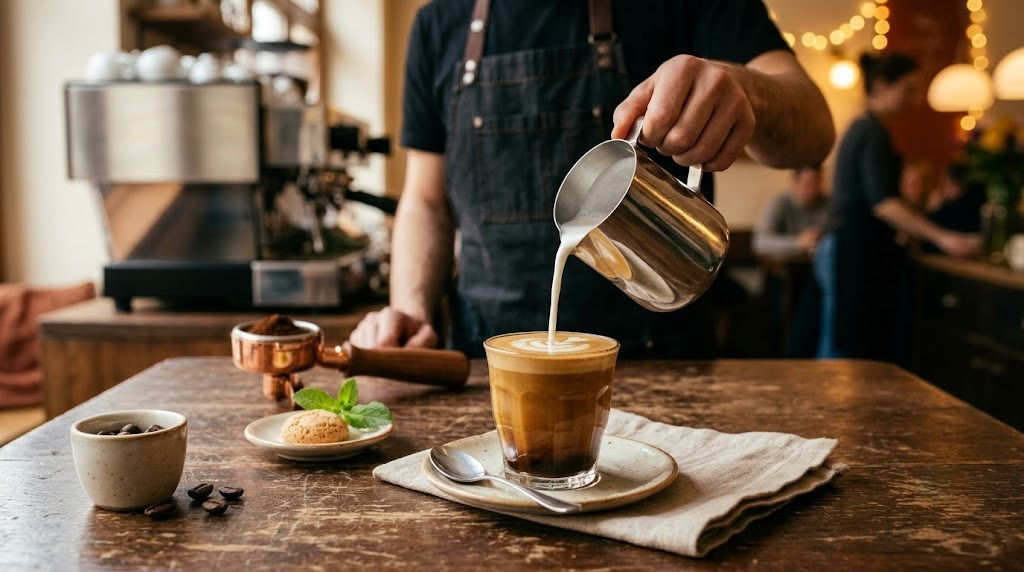
Cortado comes from Spanish-speaking coffee culture, and its name is derived from the verb “cortar”, meaning “to cut”. In practice, it refers to espresso “cut” with a small amount of warm milk. It became popular especially in Spain, Portugal and Latin America, and later found its place in modern specialty cafés because it showcases espresso clearly without being dominated by milk.
Brief introduction: What is Cortado?
- Preparation principle: Brew an espresso using 18–20 g of freshly ground coffee in a double basket portafilter. The target yield is around 36–40 g of espresso, roughly 30–40 ml, with an extraction time of about 25–30 seconds. Add a similar amount of warm, lightly textured milk, usually 40–60 ml.
- Flavour profile: Cortado has a medium-full body, smooth texture and a clear coffee flavour gently rounded by milk. Expect chocolate or nutty sweetness, subtle milk creaminess, lower acidity, mild bitterness and a clean, shorter aftertaste than cappuccino.
- Volume and serving: It is usually served in a small glass or ceramic cup of about 120–150 ml. The drink should be compact, without a tall layer of milk foam. Water may be served alongside it in the same way as with espresso.
What works well for preparing Cortado?
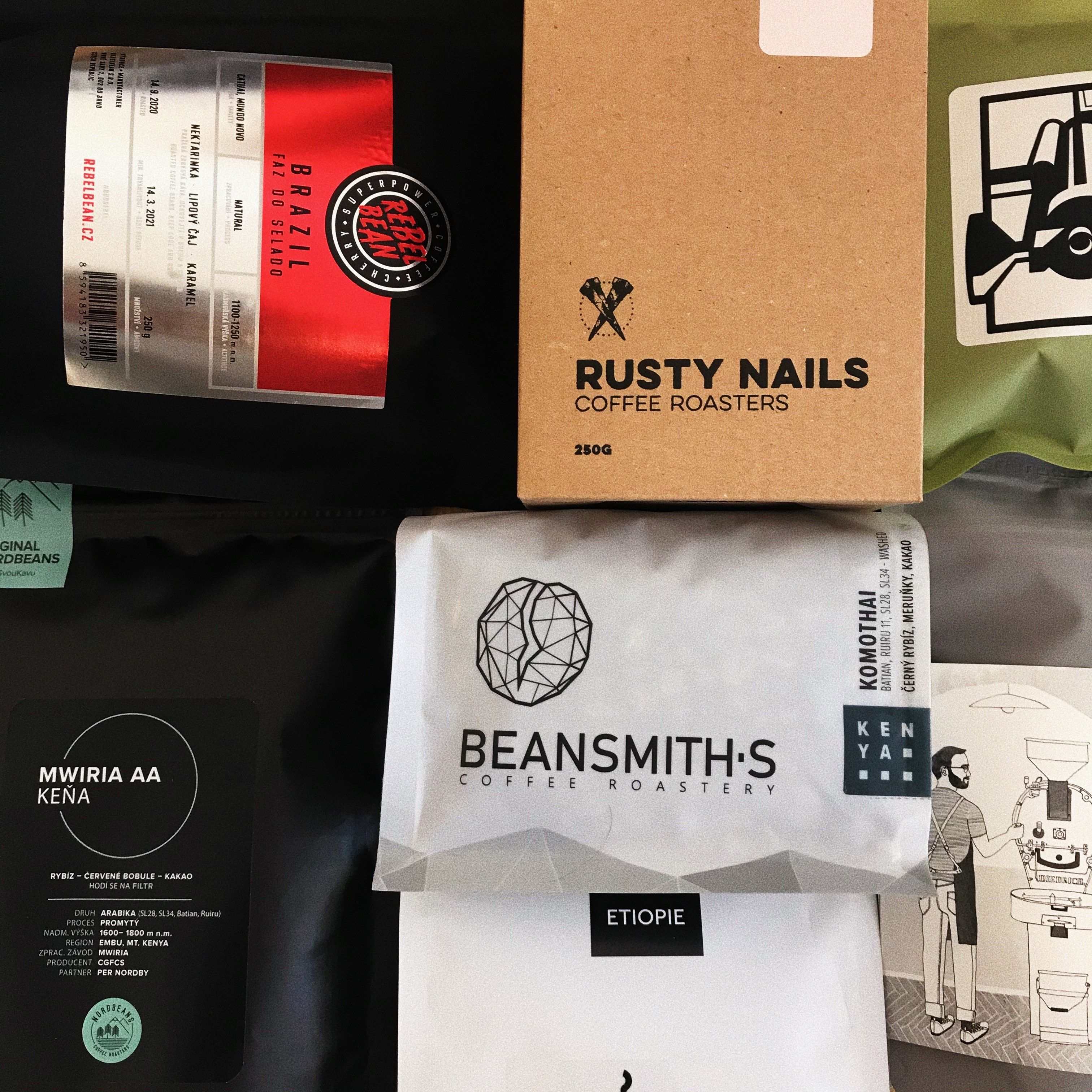
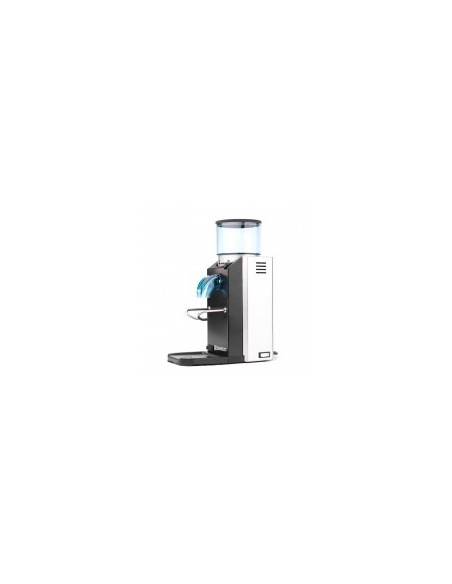
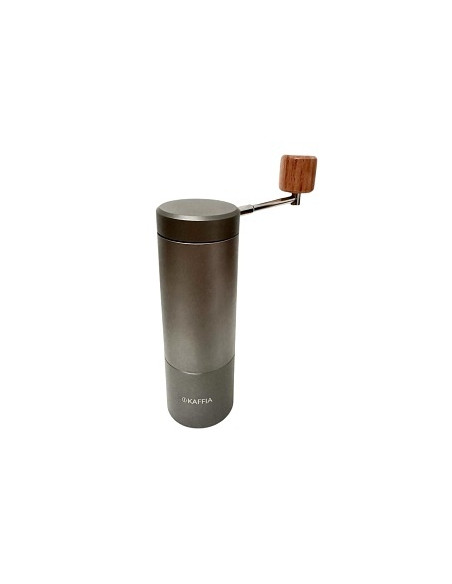
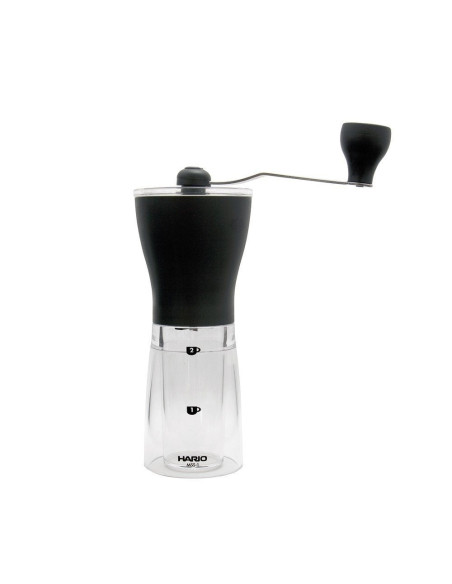
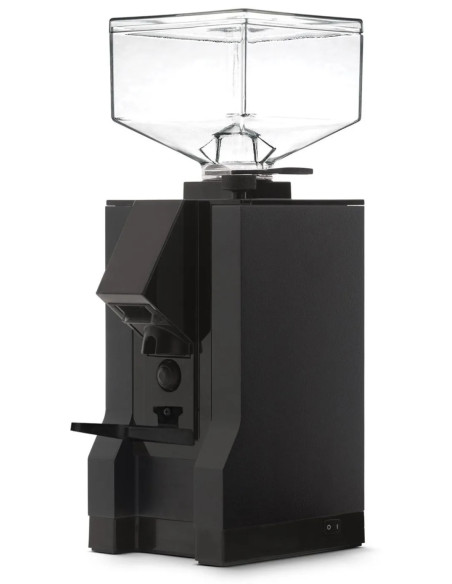
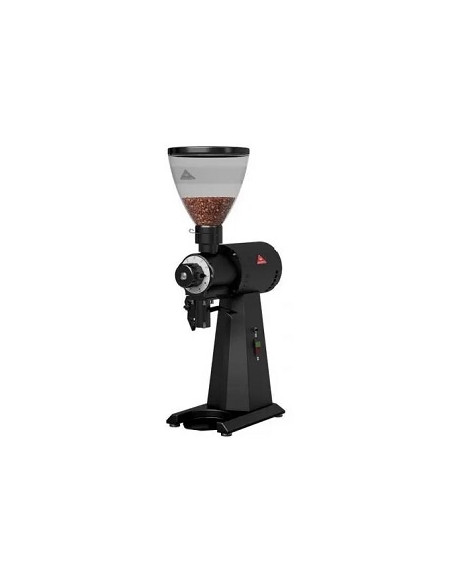
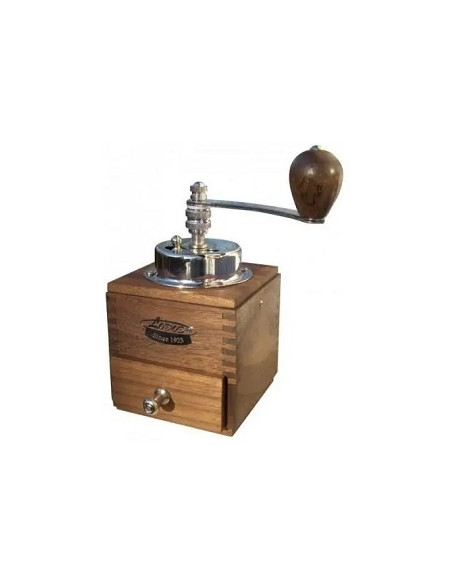
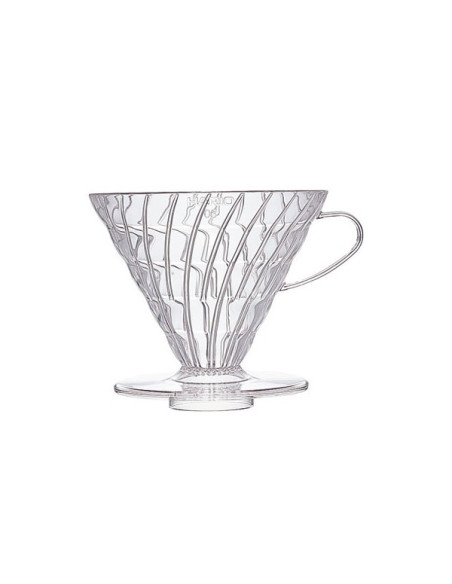
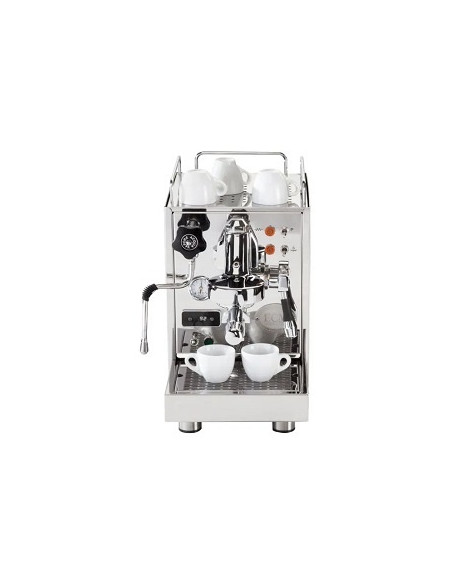
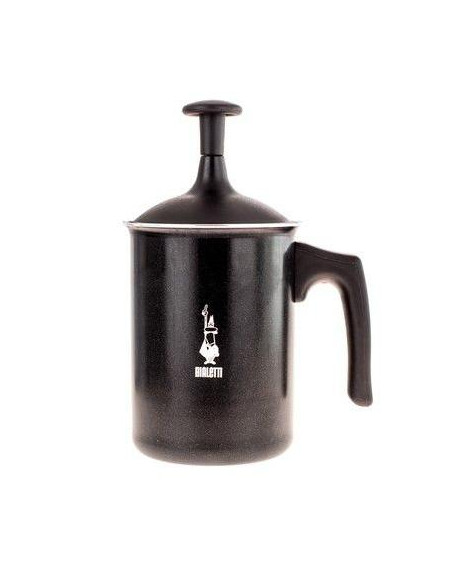
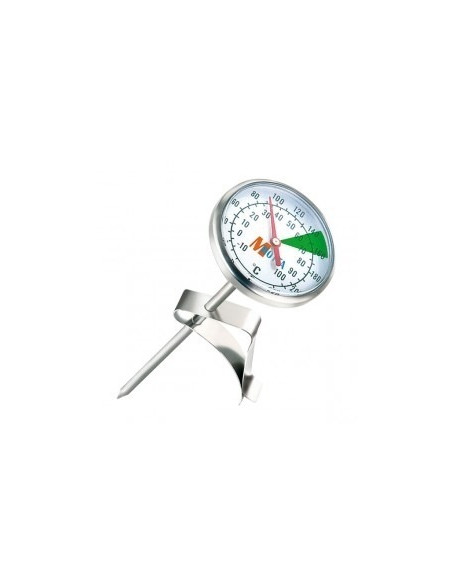
Choose suitable coffee and equipment for a balanced espresso with gently textured milk:
How is Cortado different from other coffee classics?
Cortado is ideal for those who want the taste of espresso in a softer and less sharp form. Unlike pure espresso, it contains warm milk, which softens acidity and bitterness without masking the coffee’s character. This is why Cortado is often considered one of the most balanced milk-based coffees.
Compared with flat white, Cortado is smaller, more concentrated and more coffee-forward. Flat white usually contains more milk and fine microfoam, making it rounder and milkier. Cortado keeps a shorter format, with a coffee-to-milk ratio often close to 1:1.
Compared with cappuccino, Cortado has less foam, a smaller volume and a more pronounced espresso flavour. Cappuccino relies on a higher layer of milk foam and an airier texture, while Cortado is smooth, denser and less dessert-like. A well-made Cortado is therefore perfect for people who do not enjoy overly large or milky drinks.
Cortado compared with similar coffee drinks
| Drink parameter | Cortado | Flat White | Cappuccino |
|---|---|---|---|
| Input coffee dose | 18–20 g for a double espresso | 18–20 g for a double espresso | 18–20 g for a double espresso |
| Output weight / volume | 36–40 g espresso + 40–60 ml milk | 36–40 g espresso + 100–130 ml milk | 36–40 g espresso + milk and foam to about 150–180 ml |
| Brew Ratio | 1:2 for the espresso base, coffee-to-milk ratio around 1:1 | 1:2 for the espresso base | 1:2 for the espresso base |
| Extraction time | 25–30 seconds | 25–30 seconds | 25–30 seconds |
| Consistency and body | Smooth, compact, less foamy | Creamy, velvety, with fine microfoam | Airier, foamy, slightly dessert-like |
| Main flavour notes | Espresso, chocolate, nuts, gentle milk sweetness | Milk sweetness, caramel, chocolate, softer coffee | Milk, foam, cocoa, sweeter and rounder profile |
| Caffeine content per cup | Approximately 60–90 mg, depending on coffee and dose | Approximately 60–90 mg | Approximately 60–90 mg |
Frequently asked questions about preparing Cortado
Is Cortado weaker than espresso because it contains milk?
Not necessarily. Milk softens the flavour and reduces the perception of bitterness, but the caffeine content is determined by the espresso used. A Cortado made with a double espresso can contain a similar amount of caffeine as a flat white or cappuccino made from the same dose of coffee.
How should I set the grinder and tamp for a good homemade Cortado?
The foundation is balanced espresso. From 18–20 g of coffee, aim for 36–40 g of espresso in 25–30 seconds. If the drink tastes sharp and sour, try grinding slightly finer. If it tastes heavy, bitter and dry in the finish, grind a little coarser. Keep your tamp level, firm and consistent.
Which coffee beans are best for Cortado?
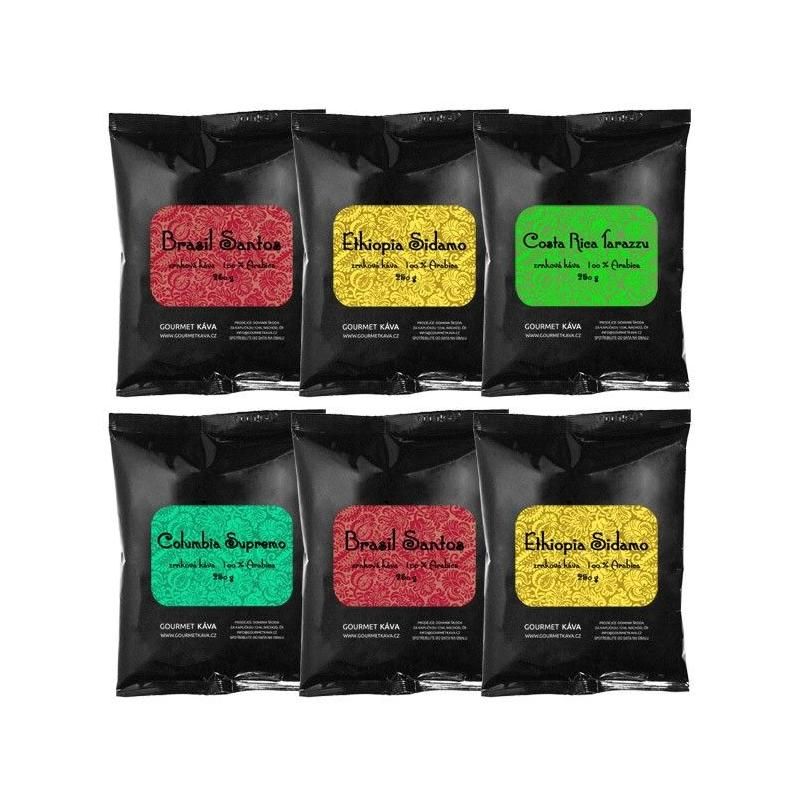
Medium-roasted coffees with notes of chocolate, nuts, caramel or sweet fruit work very well in Cortado. Brazil, Colombia, Guatemala and balanced espresso blends are good choices. Very light and highly acidic coffees may taste too sharp with such a small amount of milk, while overly dark roasts can become unnecessarily bitter.
