
Shopping Cart







































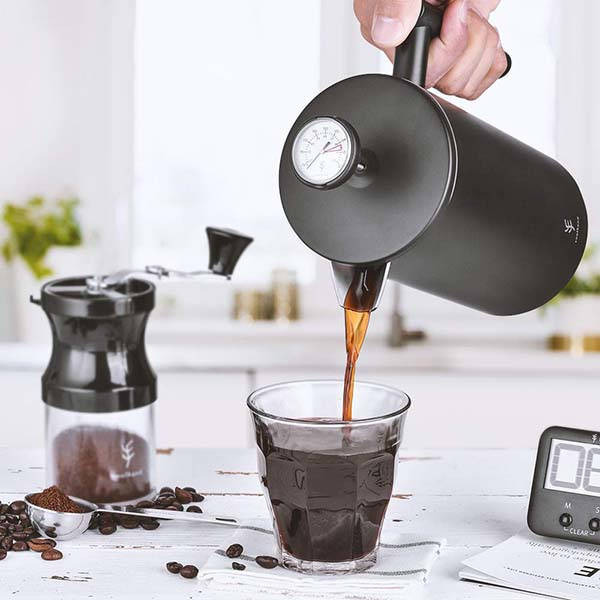
When choosing a French press, the main things to consider are its capacity, the material of the carafe and the quality of the filter mesh. A 350 ml press is usually enough for one person, a 600 ml model works better for two larger cups, and a 1-litre press is suitable for several people. We'll help you decide between glass and stainless steel, explain what to look for in the filtration mechanism and how much is worth spending.
Which French press should you choose? Quick recommendations
I want a French press for home
For everyday use, a glass French press with a removable carafe is a good choice. You can easily see the brewing process and check that the carafe is clean.
Browse French pressesI want something more durable
An all-stainless-steel French press is more resistant to knocks, so there's no glass carafe to worry about breaking. Double-walled models also retain heat longer.
Stainless steel French pressesI want an affordable coffee maker
You don't need expensive equipment to make good coffee. Even a basic French press can work very well if it has a good-quality mesh filter and a properly fitting plunger.
Affordable French pressesI want a French press for travelling
Look for durable construction, compact dimensions and easy cleaning. Stainless steel presses are particularly suitable, as are models designed specifically for travelling.
Choose a stainless steel French pressHow to choose a French press
A French press is a simple coffee maker with a plunger and a metal mesh filter that separates most of the coffee grounds from the drink after steeping. It requires neither electricity nor disposable paper filters. Nevertheless, individual models differ in several ways that make a noticeable difference in everyday use.
1. How much coffee do you make?
For one regular mug, 350 ml is often sufficient. If you prepare coffee for two or more people, consider 600 ml or 1-litre models.
2. Where will you use your French press?
A glass carafe is well suited to a home kitchen. If you often carry it around, use it in an office or take it travelling, a stainless steel model may be more practical.
3. How often do you brew coffee?
For daily use, you'll particularly appreciate an effective filter, a comfortable handle and a plunger that's easy to take apart for cleaning.
What size French press should you choose?
The most common capacities are 350 ml, 600 ml and 1 litre. Unlike a moka pot, a French press can be used to prepare less coffee than its maximum capacity. You don't have to fill the entire carafe every time.
However, size still matters. A small press may not hold enough water and coffee, while a 1-litre model can be unnecessarily bulky if you make only one cup each morning.
French press size guide
| Carafe capacity | Who it suits | Typical use |
|---|---|---|
| 350 ml | 1 person or 2 smaller cups | Morning coffee for one, smaller kitchens and offices. |
| 500-600 ml | 2 people or 2 larger servings | Everyday brewing for a couple or a small gathering. |
| 800 ml to 1 litre | 3-5 people, depending on cup size | Families, guests and making several servings at once. |
The stated capacity refers to the carafe, not necessarily the volume of finished coffee. Ground coffee takes up some space, and some water remains trapped in the grounds. A 350 ml press therefore won't normally produce a full 350 ml of drink.
If you regularly drink a large 300 ml mug, a small French press may feel restrictive. For two such mugs, we recommend a 600 ml or larger model.
Is it worth buying a larger French press just in case?
Unlike a moka pot, a larger French press can also prepare smaller batches. But if you usually make coffee just for yourself, a smaller press is easier to use, store and clean. A larger one makes most sense when you regularly brew several servings.
Glass, stainless steel or plastic French press?
Material mainly affects durability, weight, maintenance and heat retention. Neither glass nor stainless steel automatically produces better-tasting coffee. With the same recipe and similar water temperature, both can make a comparable drink.
Models described as plastic often have a plastic frame, handle or lid, while the carafe itself is made of glass. Always check the actual carafe material in the product description.
French press materials compared
| Feature | Glass | All stainless steel | Plastic construction |
|---|---|---|---|
| Durability | Glass can break if dropped. | Highly resistant to breakage. | Depends on the carafe material and construction. |
| Monitoring brewing | Transparent carafe. | You cannot see inside. | Often has a transparent carafe. |
| Heat retention | Generally shorter, depending on glass thickness. | Double-walled models insulate better. | Depends on the design and materials. |
| Weight | Depends on size and frame. | Often heavier in sturdy models. | Often lighter. |
| Price | From budget to premium models. | Often higher for all-steel models. | From inexpensive to branded options. |
Glass French press
A good choice for everyday use at home. You can see the brewing process and coffee level, and the glass carafe can often be removed from the frame for washing.
Browse French pressesStainless steel French press
Suitable for frequent use and travelling. An all-steel body is more resistant to breakage, while double-wall construction can keep coffee warm for longer.
Browse stainless steel French pressesHow important are the mesh filter and plunger mechanism?
The filter is one of the most important parts of a French press. After steeping, you use the plunger to separate the ground coffee from the drink. The filter should fit closely against the carafe walls, move smoothly and be easy to clean.
Most models use a metal mesh filter. Some more expensive presses have multiple filtering layers or finer filtration. The difference is mainly in how many fine particles reach your cup.
However, a French press does not filter coffee in the same way as a paper filter in a drip brewer. A little fine sediment in the drink is normal with this method. If you prefer a perfectly clear cup without sediment, paper-filter brewing may suit you better.
What other features should you look for?
Besides capacity, material and filtration, it's worth checking several practical details.
Important French press features
| Feature | What it means in practice | What to check |
|---|---|---|
| Filter mesh | Separates most coffee grounds from the finished drink. | Fit against the walls, construction quality and whether it can be disassembled. |
| Plunger and shaft | Affect how comfortably the filter can be pressed down. | Smooth movement without sticking or excessive wobbling. |
| Handle | Helps you handle the hot carafe safely. | Sturdiness, comfortable grip and heat insulation. |
| Carafe insulation | Double-wall construction slows heat loss. | Whether the carafe itself is double-walled or merely has an external metal frame. |
| Cleaning | Coffee oils and fine grounds gradually build up around the filter and plunger. | Easy disassembly and access to all filter components. |
| Spare parts | A broken glass carafe or worn filter doesn't always mean replacing the whole press. | Availability of parts for the exact brand and size. |
With glass presses, it's useful to check whether a replacement carafe is available. GourmetKáva also offers Bialetti French presses and related replacement carafes. Replacement glass must match the specific model exactly.

Dominik recommends
With a French press, I'd start with capacity and filter quality. You can brew excellent coffee even in an affordable press. A higher price alone doesn't guarantee better flavour, especially when comparing models with similar filtration systems.
For ordinary home use, I wouldn't hesitate to choose a simple glass French press. But if you'll travel with it regularly or use it in a busy office, an all-stainless-steel model may make more sense. I'd also save part of the budget for a good grinder and freshly roasted coffee. They usually influence flavour more than the design of the press.
How much does a French press cost?
A French press is one of the most affordable ways to make quality coffee. Basic models start at around €8-12. More expensive models may offer sturdier construction, a more advanced filter, thermal insulation or better craftsmanship.
For everyday home use, price alone shouldn't determine your choice. Differences between inexpensive and premium presses are often more noticeable in convenience, lifespan and filtration than in flavour.
French presses under €15
Ideal for beginners and everyday home brewing. You'll mainly find simple glass presses with metal or plastic frames, along with some affordable stainless steel models.
French presses under €15French presses from €15 to €40
Here you can choose from more durable all-steel presses, larger capacities and more sophisticated designs. Particularly useful for frequent brewing.
French presses from €15 to €40French presses over €40
This range includes branded models, special filtration systems, insulated presses and travel versions. Paying extra makes most sense if you'll actually benefit from their features.
French presses over €40Affordable French presses
If you're looking for a simple press without unnecessary extras, browse our selection of budget-friendly French presses in different sizes.
Browse affordable French pressesPrice brackets are approximate. Filtered results may also include replacement carafes, accessories or sets. Prices and availability may change.
What else do you need to make French press coffee?
All you need to brew is a French press, hot water and ground coffee. Unlike a drip brewer, you don't need to keep buying paper filters. The metal mesh is built into the press.
For a better result, we recommend grinding beans just before brewing. French press typically uses a coarser grind, allowing longer contact with water while reducing the fine particles that pass through the mesh.
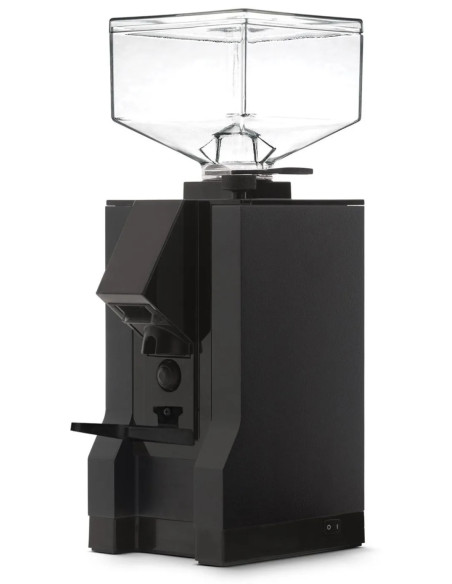
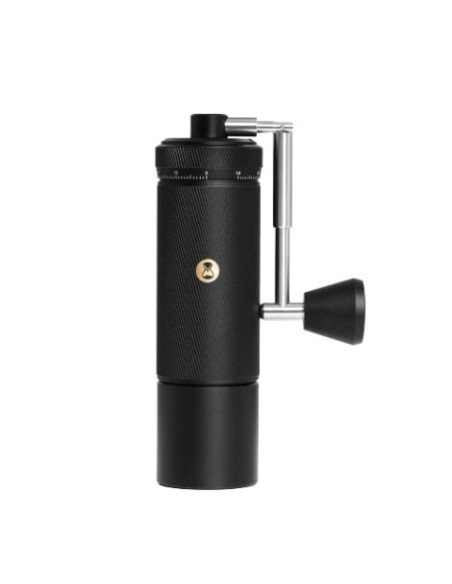
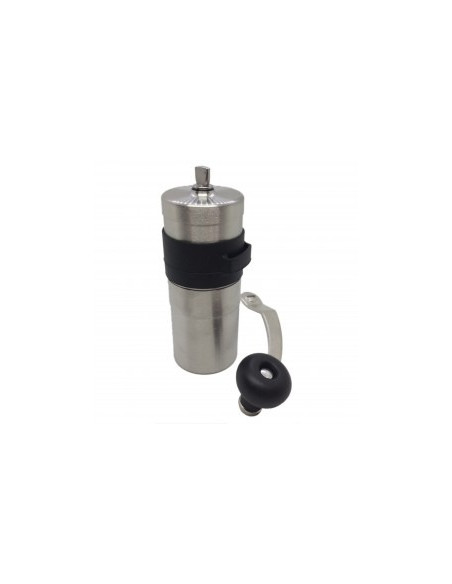
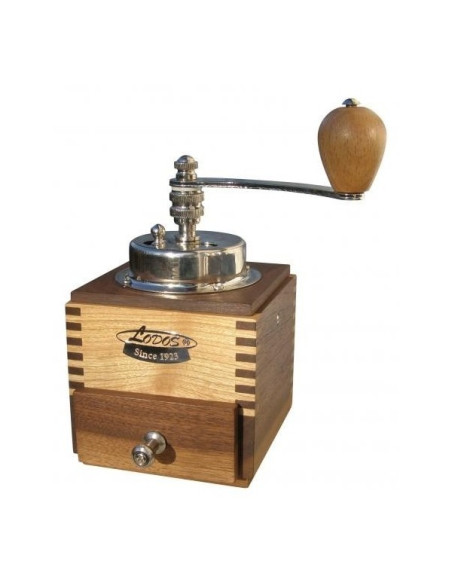
If you don't have a grinder yet, explore our manual coffee grinders suitable for home brewing. They're practical and affordable for one or two servings.
Our guide to making coffee in a French press covers the coffee-to-water ratio, grind size and entire method. If you also need beans, start with our freshly roasted coffee for home brewing.
Frequently asked questions about choosing a French press
What size French press is best for one person?
A 350 ml press is often sufficient for one regular serving. If you drink large mugs, a 500 or 600 ml model may be more practical. Remember that the finished coffee volume will be slightly less than the full carafe capacity.
Is a glass or stainless steel French press better?
A glass press is practical for everyday use and lets you watch the brewing process. An all-steel model is more resistant to breakage, and a double-walled design can retain heat better. Flavour mainly depends on the recipe, grind and filter quality.
Can I make just one cup in a 1-litre French press?
Yes. Unlike a moka pot, a French press doesn't have to be filled to a specific level. However, with a very small batch in a large carafe, pressing the filter and separating the grounds may be less convenient. A smaller model is therefore better for regular single-cup brewing.
Is a more expensive French press better?
Not necessarily. A higher price may bring sturdier construction, better insulation, more sophisticated filtration or higher build quality. But you can make excellent coffee in an inexpensive press with the right beans, grind size and steeping time.
Why is there sediment in French press coffee?
The metal mesh catches most grounds, but the finest particles can pass into the drink. That's normal for this method. You can reduce sediment with suitable grinding, a good filter and careful pouring.
Can I use a French press for tea?
Yes. A French press also works well for loose-leaf tea and herbs. Clean the mesh and carafe thoroughly afterwards to remove coffee oils or flavours from previous drinks.
Can a French press go in the dishwasher?
It depends on the model and materials. Some glass and stainless steel components are dishwasher-safe, while others require hand washing. Always follow the manufacturer's instructions and regularly disassemble and clean the mesh filter.
Already know which French press you want?
Choose by material, capacity or budget. Compare different sizes and find the design that best suits your needs.
All French presses
Our complete selection for brewing coffee and tea in different capacities.
Browse French pressesStainless steel French presses
More durable models for home, office and travel.
Choose a stainless steel French pressPlastic French presses
Models with plastic elements, often combined with a glass carafe.
Browse plastic French pressesBodum French presses
French presses from the well-known manufacturer in various sizes and designs.
Browse Bodum French presses