Shopping Cart
-
 View all coffees
Categories and roasters 19
 Our GourmetKava
roasted every week
Our GourmetKava
roasted every week
 GourmetKava Specialty
 Specialty Coffee
 Refillable capsules
 Coffee subscription
 Barista Plant-Based Drinks
 Decaffeinated coffee
 BeanSmith's
 Father's Coffee Roastery
 Fiftybeans
 Francin Roasters
 Mamacoffee
 The Naughty Dog
 Nordbeans
 Nespresso® capsules
 Dolce Gusto capsules
 Trung Nguyen
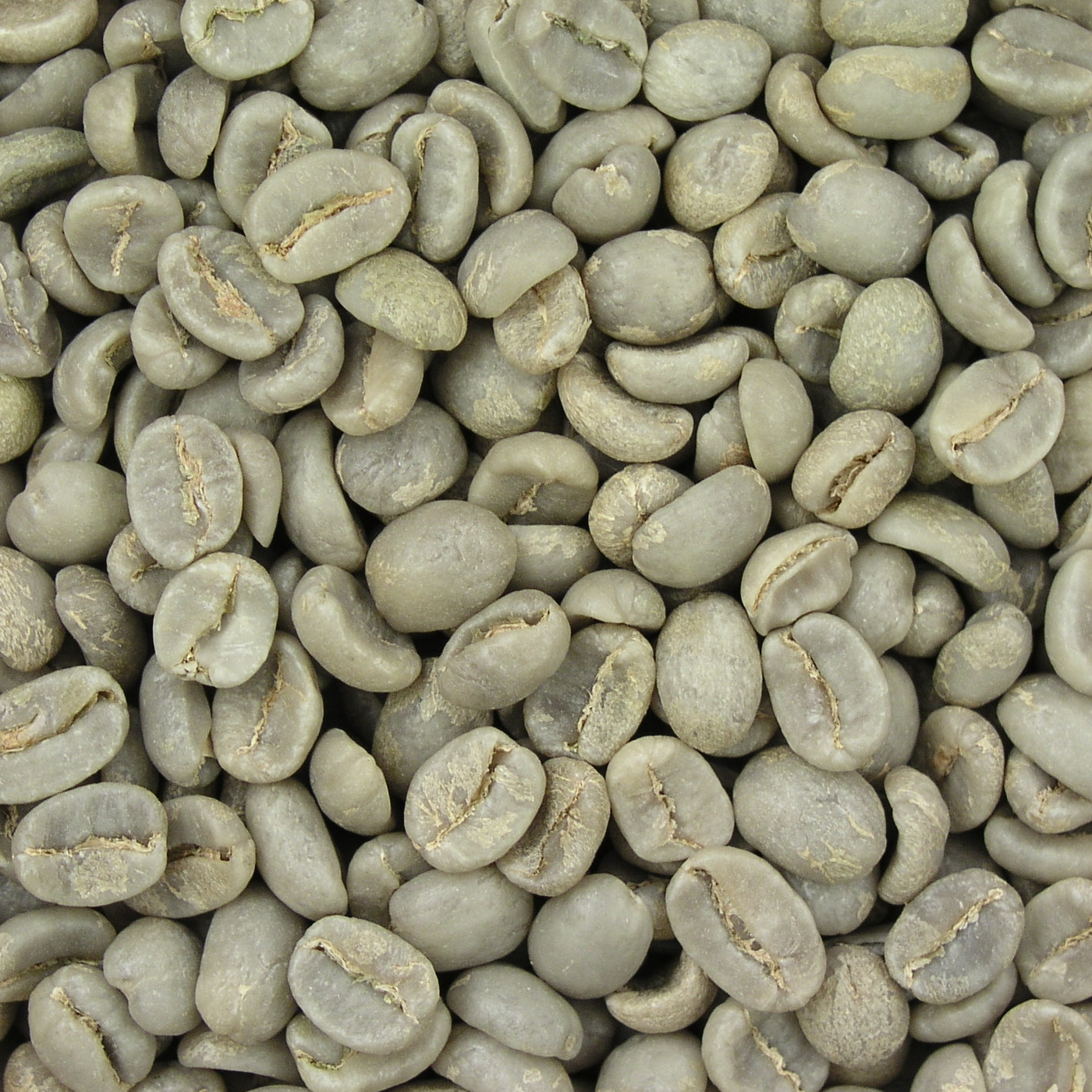 Green coffee (unroasted)
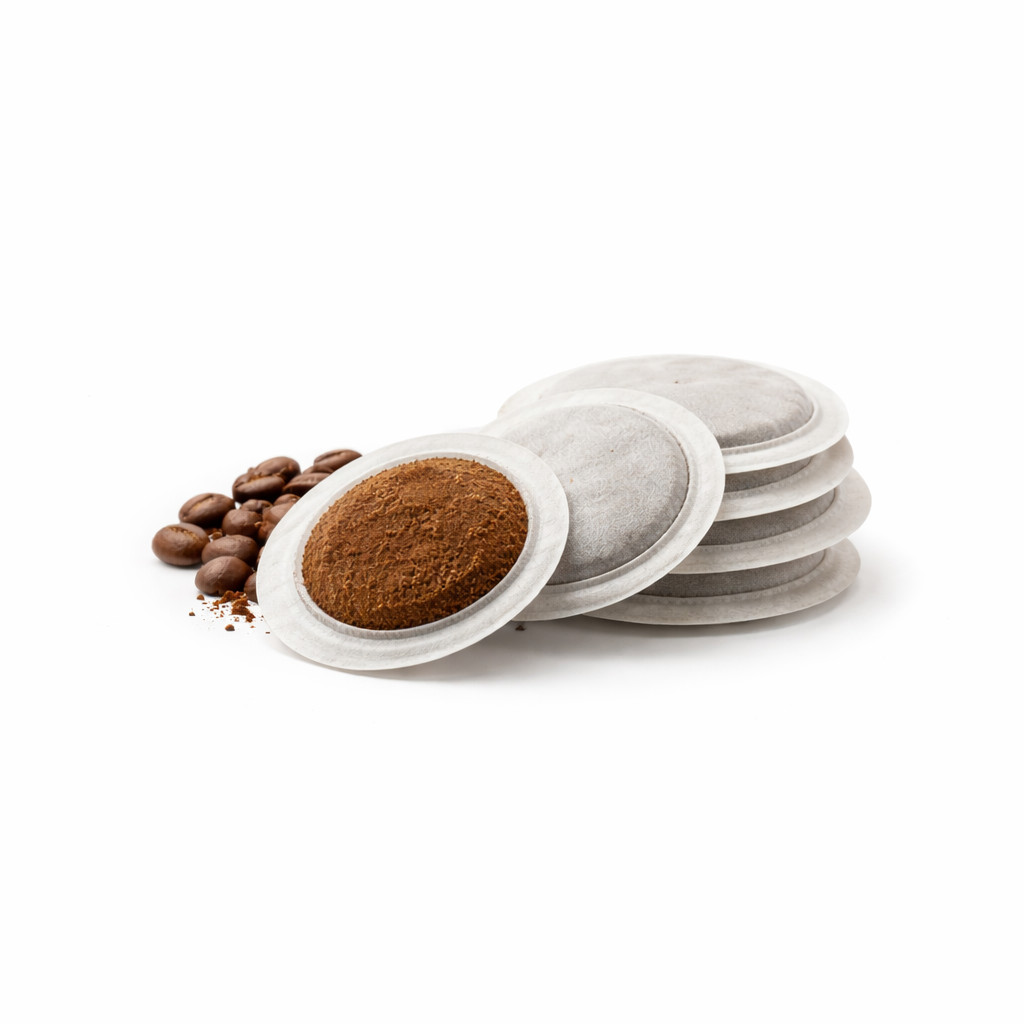 E.S.E. Coffee Pods
-

-

-

-

-

-

-
-

-

-


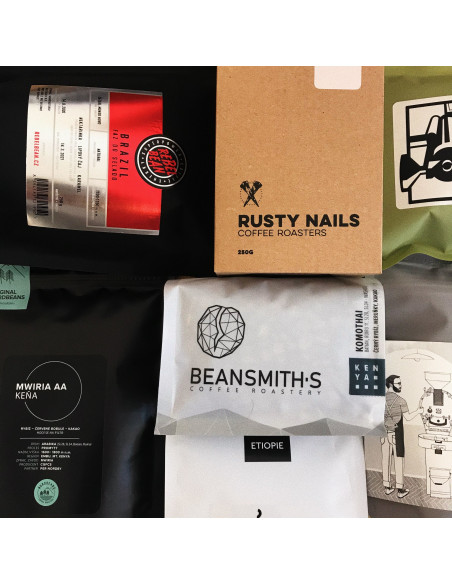


















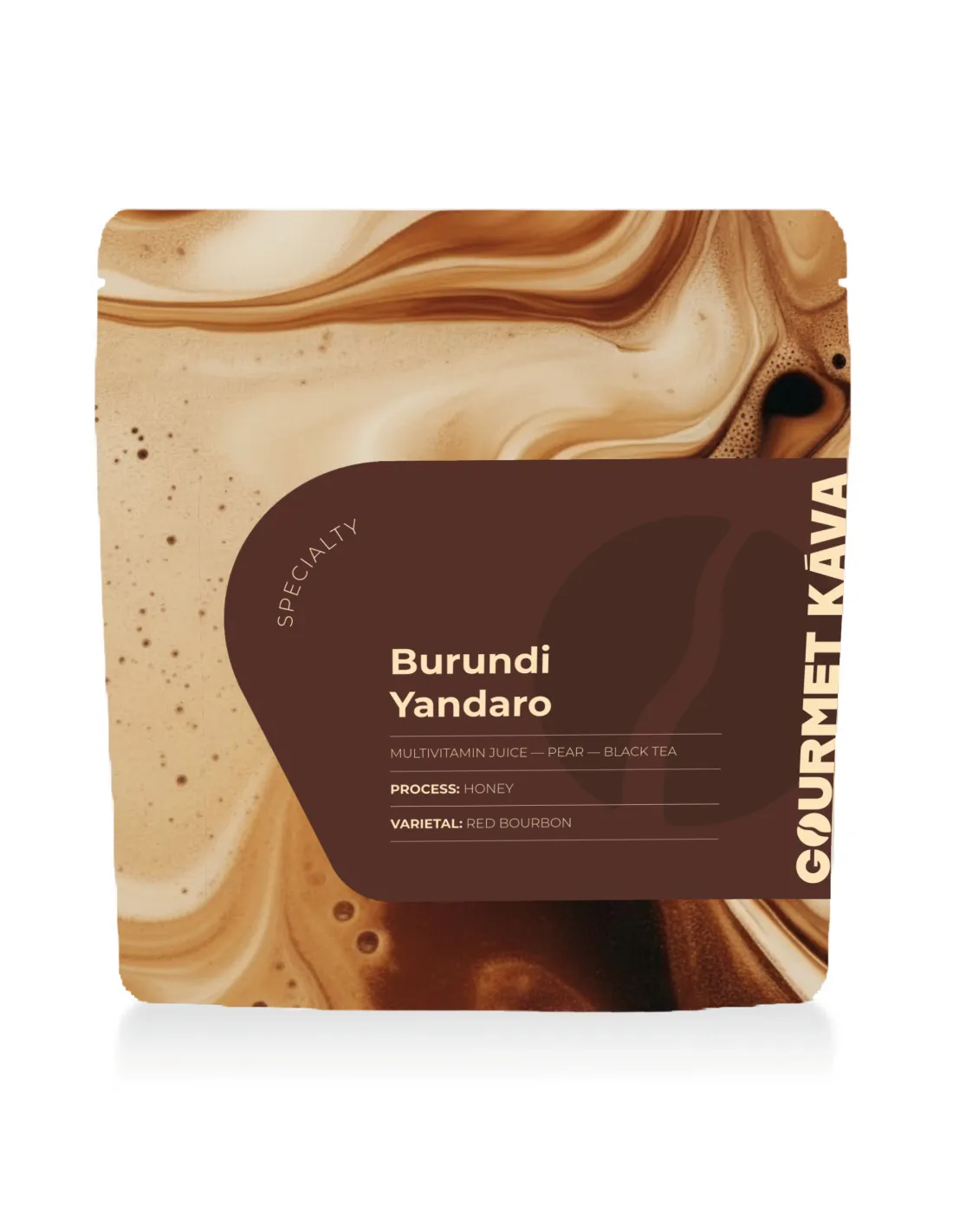
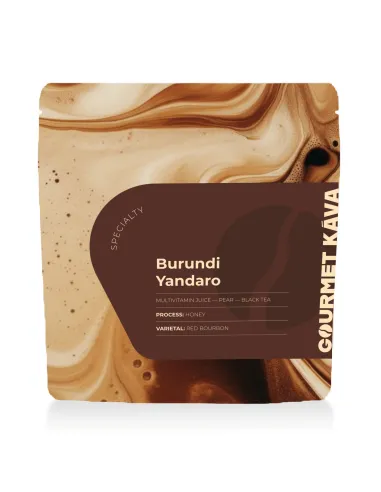
GourmetKava Specialty Burundi Yandaro 250g
€13.90
Tax included
 |
98% satisfied customers |  |
Free transport over 79€ |
 |
All in stock |  |
Coffee roasted every week |
By purchasing this product you will earn
16 points.
Your cart will contain a total of
16
points, which can be converted to a voucher worth
€0.66.
Notify me when in stock
Drop your email and we'll let you know the moment it's back.
Recommended preparationfilter
Processing methodHoney
Acidityhigher
Degree of roastinglight
The Coffee Tree100% Arabica
Roasting date2026-08-24
GourmetKava
Altitude: 1,774 - 1,800 m above sea level
Country: Burundi, Kayanza - Yandaro
Variety: Red Bourbon
Farm: Yandaro Washing Station
Roastery: Beansmith
Processing: Honey
Cupping score: 85
What is GourmetKava Specialty?
It's a select coffee that we've carefully chosen and Beansmith Roastery has processed for us. There are many definitions, the SCA (Select Coffee Association) specifically states that these are coffees that score at least 80 out of 100 in a professional evaluation, and contain no significant flavor defects. You will also always find 100% transparency (farms, importer, roaster and retailer) with our select coffees.
What's different about our selection coffees?
Don't expect a distinct bitterness in the coffee, as they are roasted lighter than regular coffees. As a rule, you will find more fruity flavours in them. All of our coffees are primarily intended for home brewing like filter coffee, but that doesn't mean they can't be interesting in a moka pot.
Preparation tip
We don't write down the exact coarseness of the grind, as every grinder has it differently, but you can try grinding to get about what we get below. But it's really one of many different cases. It's just kind of a jumping off point.
Drip 18g (60ml bloom), 250ml total in 2:30min
HONEY method what is it?
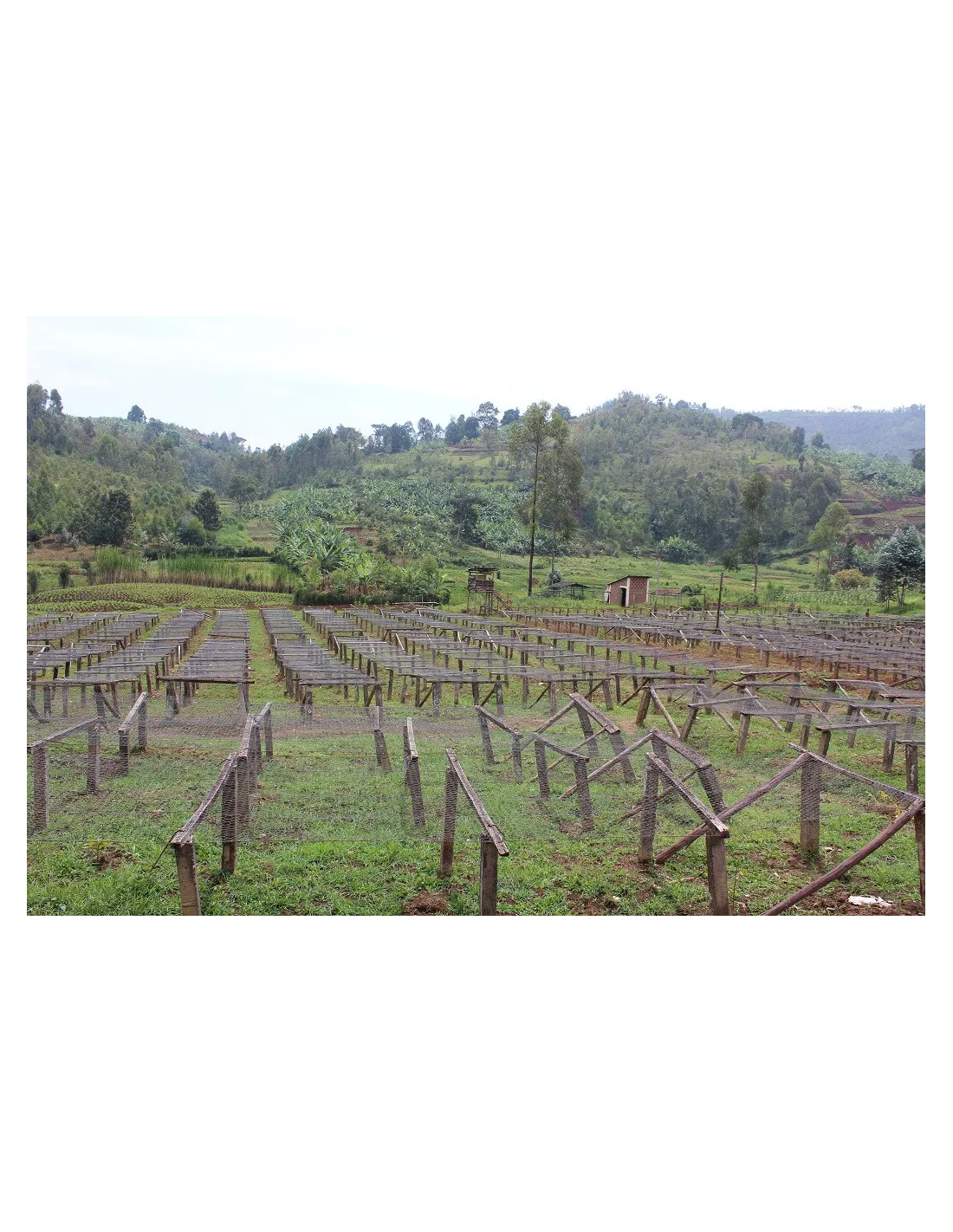
The third most common method of coffee processing, combining elements of the natural and washed methods. The skin and some of the pulp is removed from the cherries, with the amount of pulp influencing the type (e.g. white, yellow, red or black honey). The beans are then dried in the sun for approximately 10-20 days and must be turned regularly to ensure that they dry evenly and do not become mouldy. The resulting coffee has a balanced profile between washed and natural - it tends to be sweet, with a subtle acidity and fuller body.
Information
The Farm
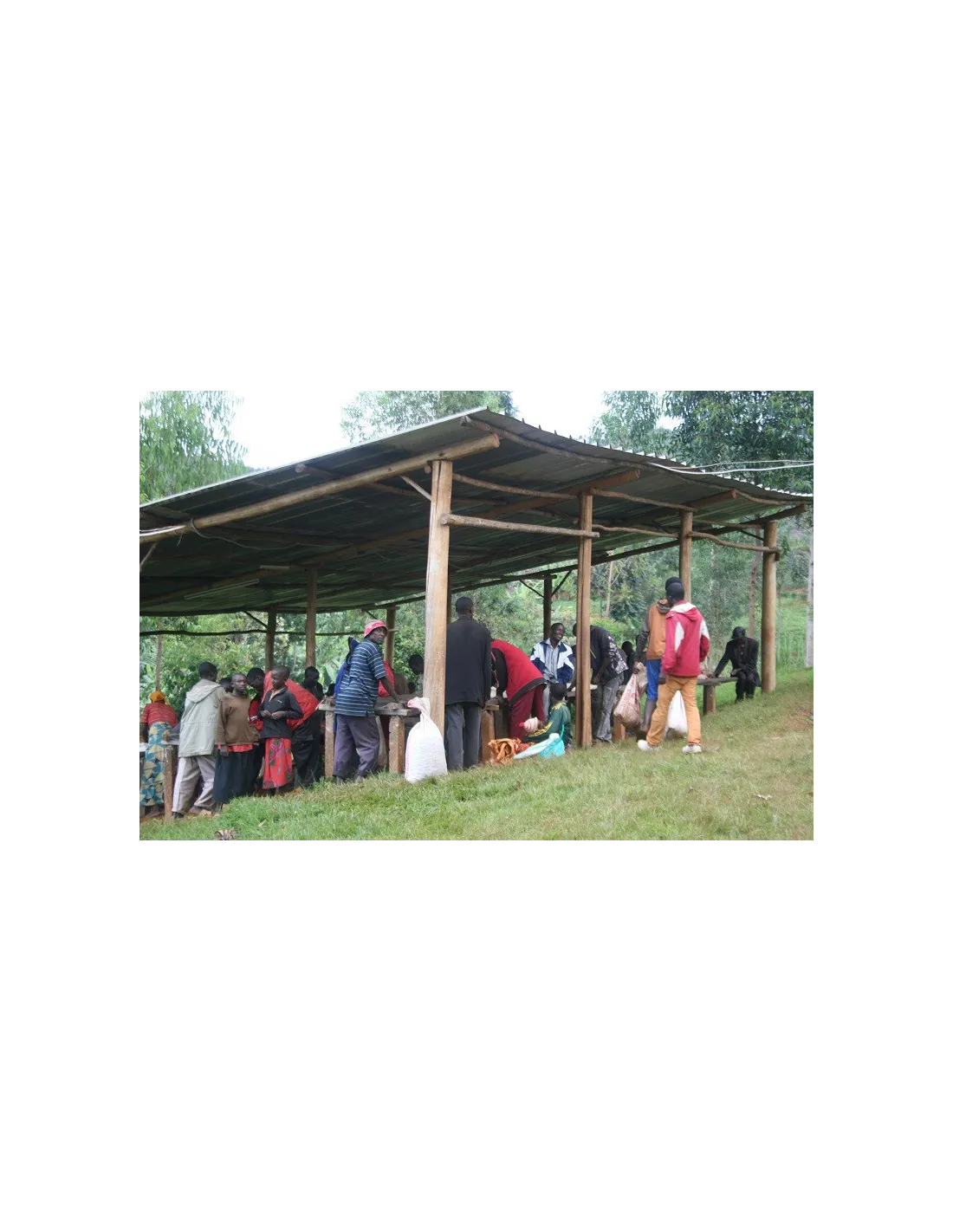
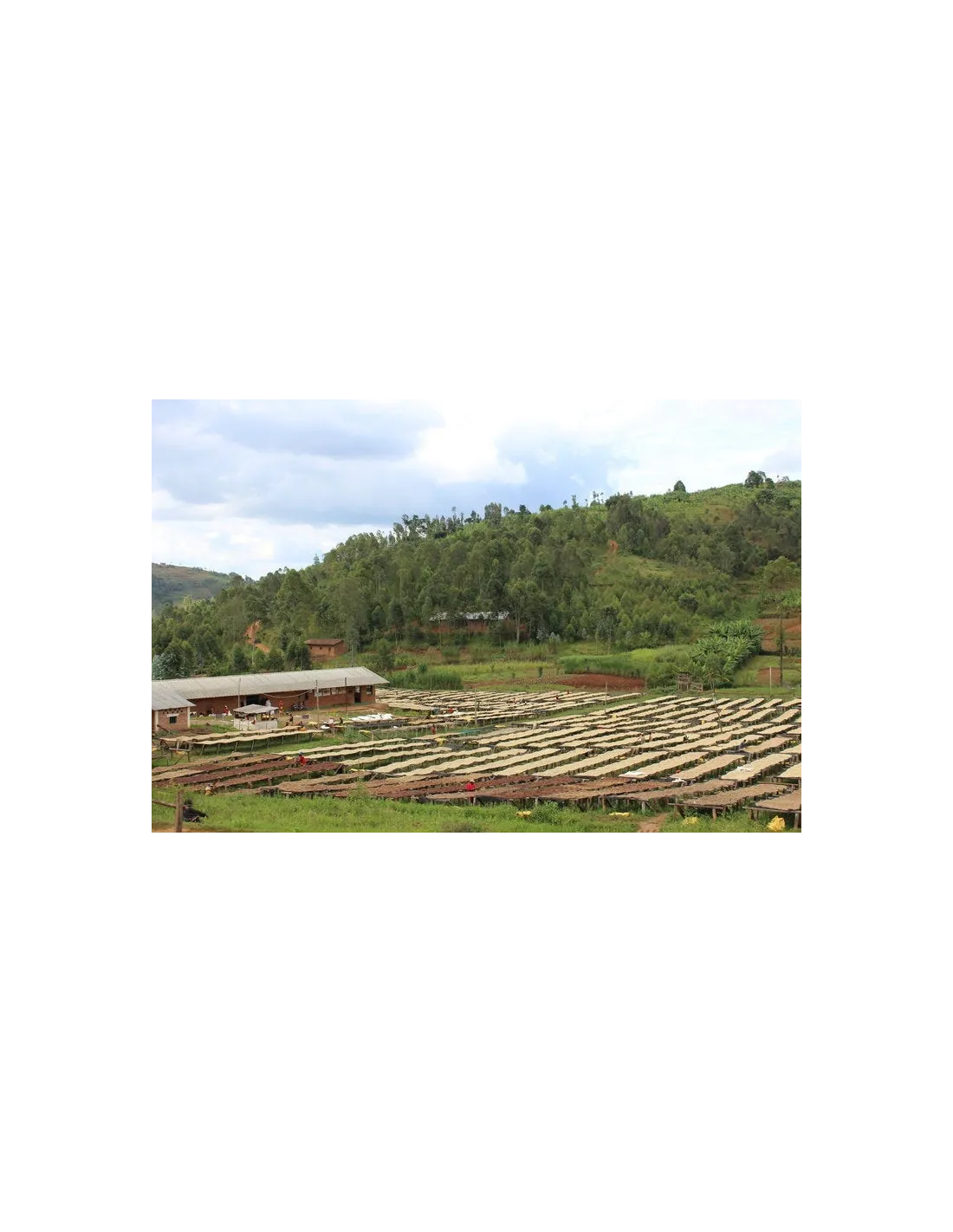
Yandaro is located near the border with Rwanda in Kayanza province. The area has ideal conditions for coffee growing due to its location in the corridor between southern Rwanda and northern Burundi. It lies in a valley by the Yandaro River, close to the Kibira rainforest, which helps to maintain moisture and nutrients in the soil. Due to this location, the region has great potential for quality coffee production with a fruity profile and sweet aroma. The processing facilities are used by 2 341 farmers from 22 surrounding hills at an altitude of around 1 800 m above sea level. The climate is mild, with temperatures between 18-25 °C. Yandaro is also involved in projects to support farmers, such as livestock breeding and yield improvement.
Retrieved from
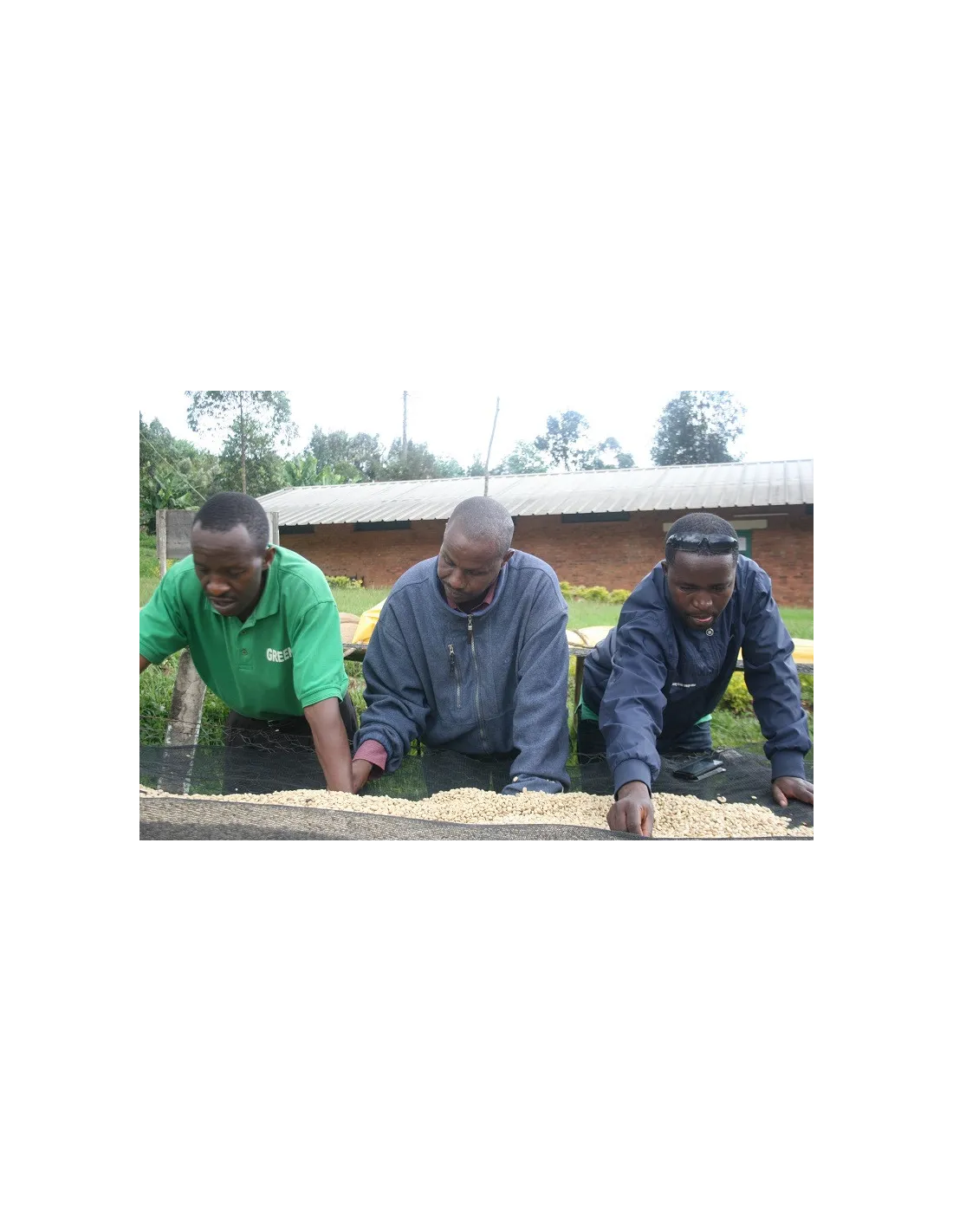
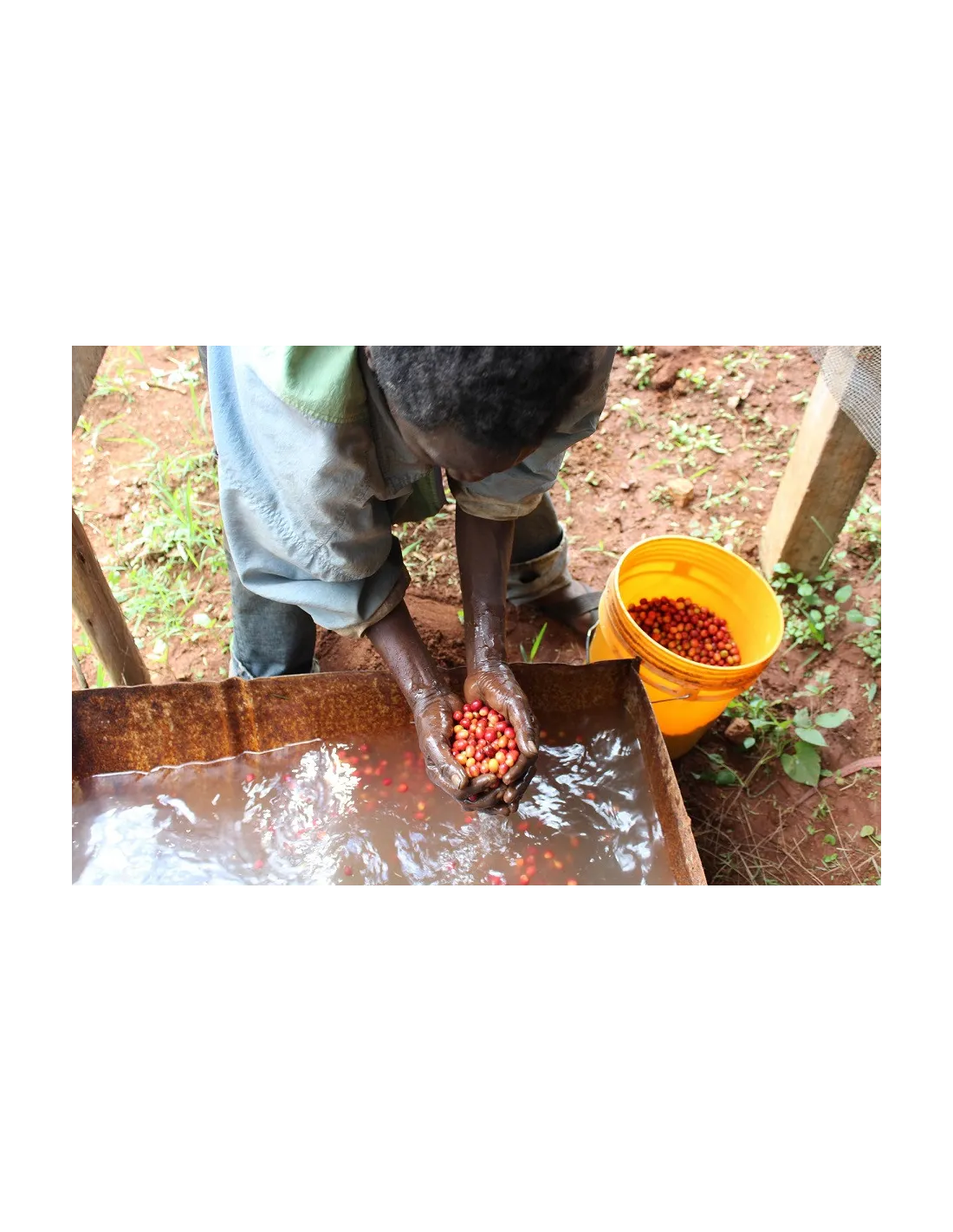
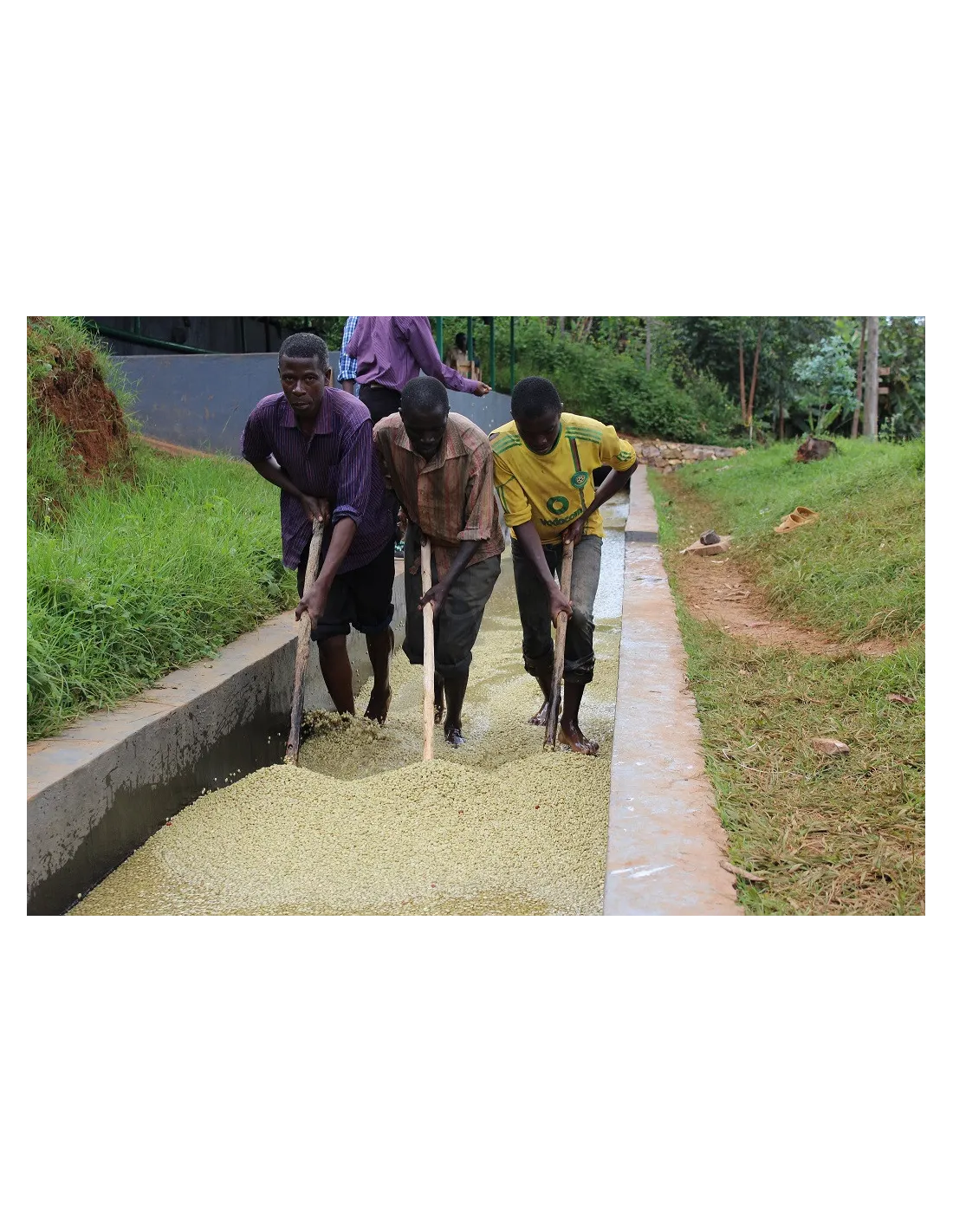
During the harvest, the coffee is hand-picked, with an emphasis on selecting only ripe cherries. Most families have only 200-250 trees, so harvesting is mostly done by household members. Quality control begins as soon as the cherries are delivered. Processing is constantly monitored - peeling, fermentation time, washing, sorting in the channels and final soaking. Once the cherries are received, they are first tested in water (by floating) in order to separate out the lower quality pieces. These are processed separately as lower grade. The better quality cherries are then sorted by hand to remove damaged, unripe or overripe fruit. Within 6 hours of delivery, the cherries are de-skinned and separated by density into higher and lower quality. The coffee and pulp are then dried on African beds for a period of 2-3 weeks. During drying, it is turned and sorted regularly to dry evenly. It is covered overnight or when it rains and carefully monitored for moisture and any defects.
Greenco
Greenco operates in the Kayanza province of Burundi, where it manages 13 processing centres and supports more than 15,000 farming families since 2015. It has long been one of the most successful producers in the Cup of Excellence competition. Farmers are assisted by agronomists who provide training, better cultivation practices and processing organisation. The company also focuses on social issues such as youth employment and farmer education. It also emphasises sustainability, using solar energy, purifying waste water and improving purchasing conditions by buying cherries directly. After drying, the coffee is carefully inspected and sorted, ensuring high quality and full traceability. Processing in the dry mill also provides jobs for thousands of people and supports the local economy.
EAN: 8594206184319
LB PLACEHOLDER
Tap to zoom