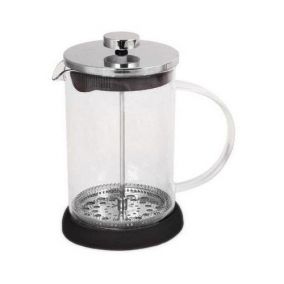
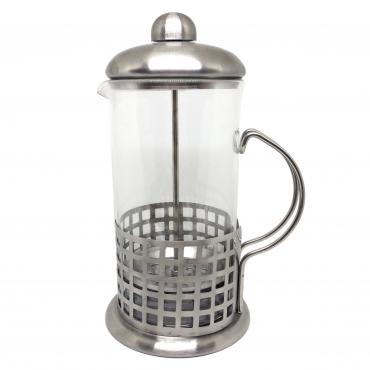
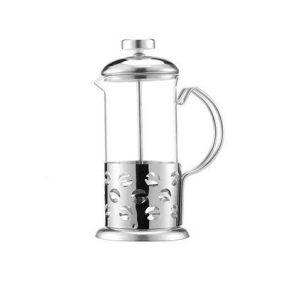
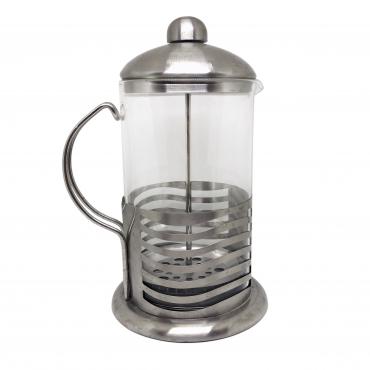
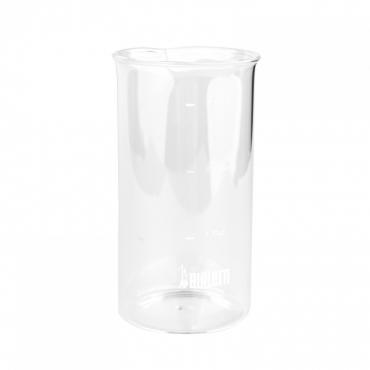
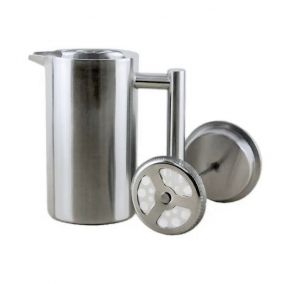
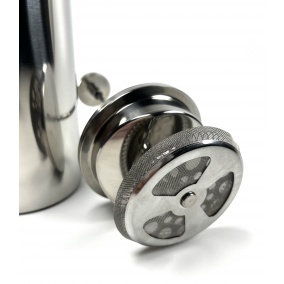
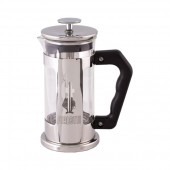
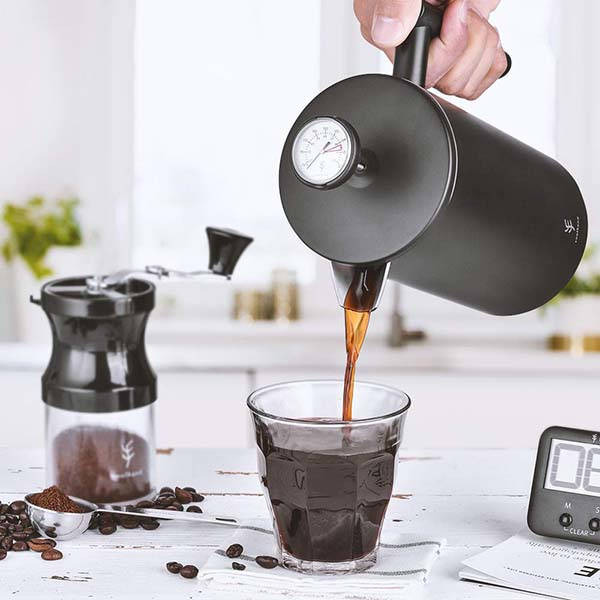
What is french press? French press is a perfect invention with which you can make many times better coffee at home than you get in a cafe. The purchase price is already in the order of a few hundred, of course, it depends on the brand and design.
French press is definitely a great choice for everyone who likes to drink a classic Turk and would like to start making coffee with a better method. Unlike a Turk, coffee should only be extracted for a few minutes . Then substances that are not tasty or healthy for our digestion are secreted into it from the sediment. In Frenchpress you can prepare coffee just like "turk" - you only pour hot water over the ground coffee. But then you filter the coffee thanks to the sieve. This will make the coffee cleaner and tastier .
For very little money, you will definitely get tasty coffee from the French press. Just follow a few basic preparation rules that are common to all French presses, regardless of price, brand or size.
BENEFITS OF FRENCH PRESS
low purchase price
very easy to prepare
easy maintenance
you don't have to buy any filters, etc.
you have perfect control over water temperature and extraction time
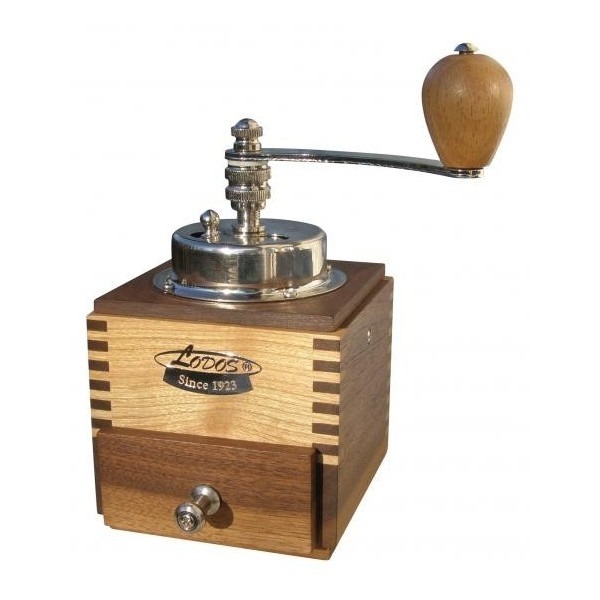
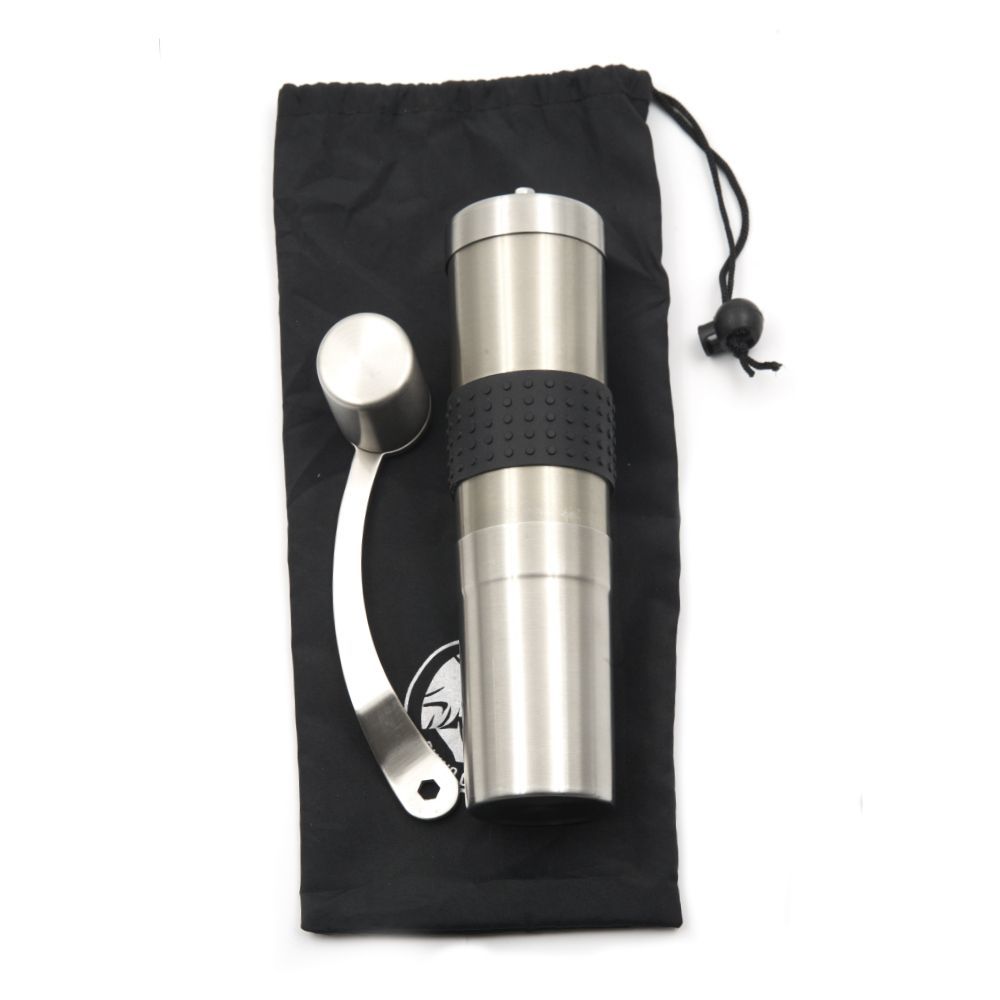
GRINDING COARSE: coarse
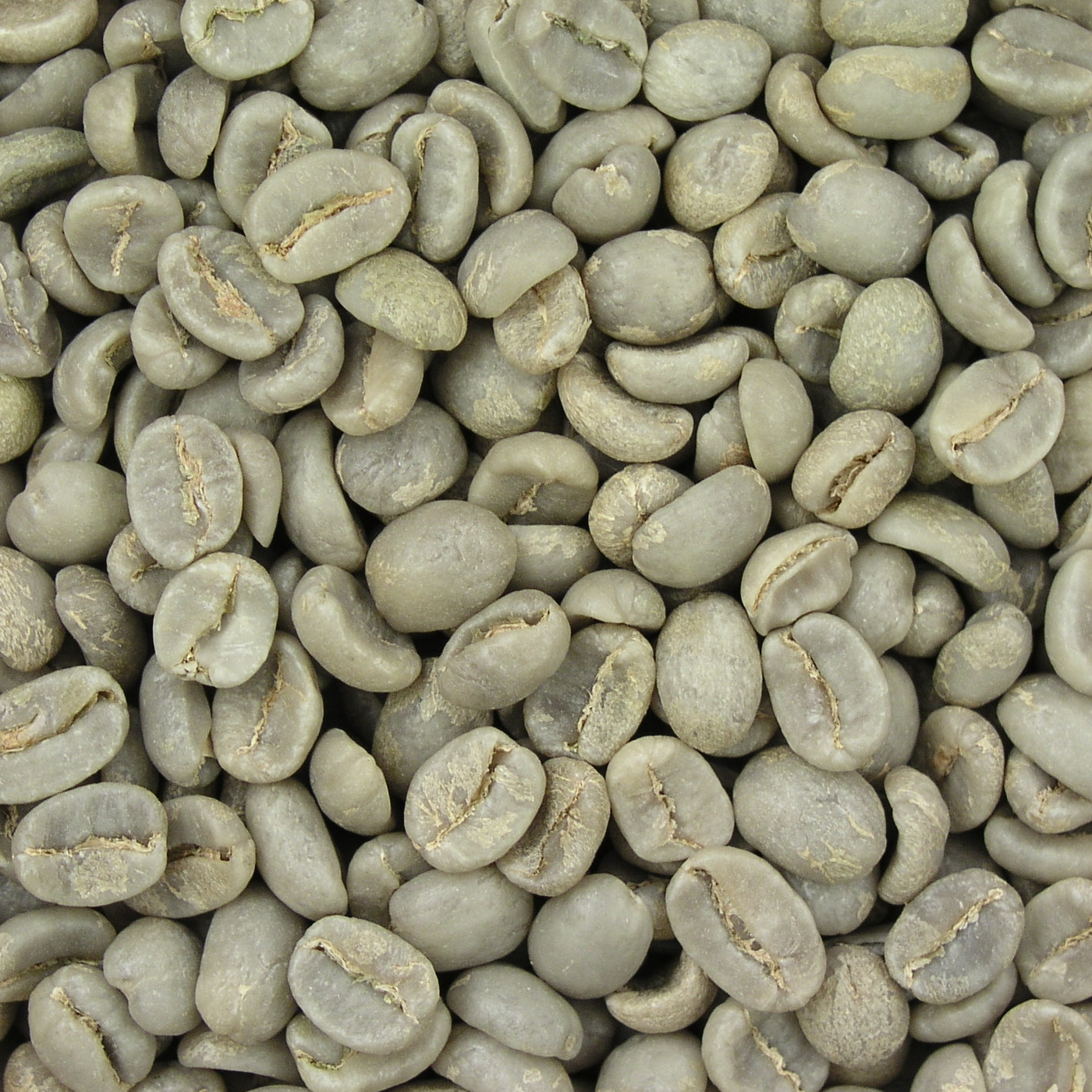
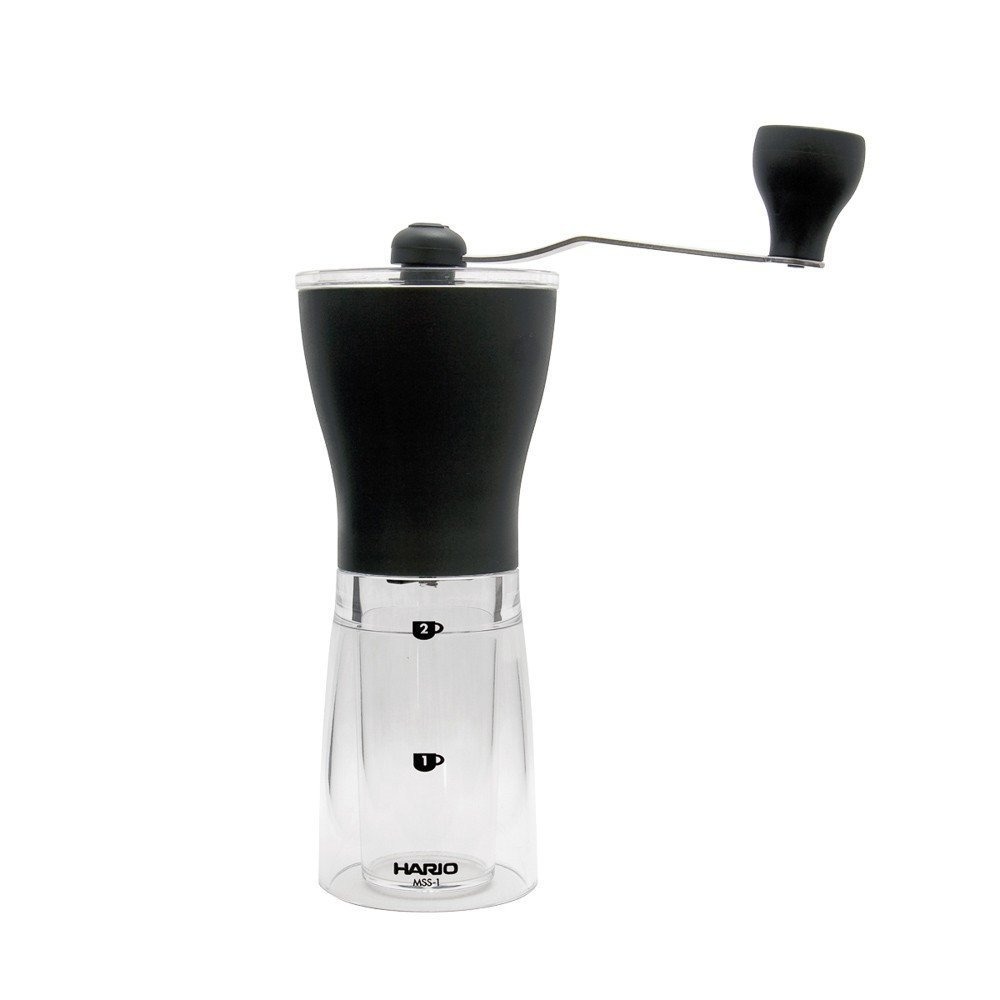
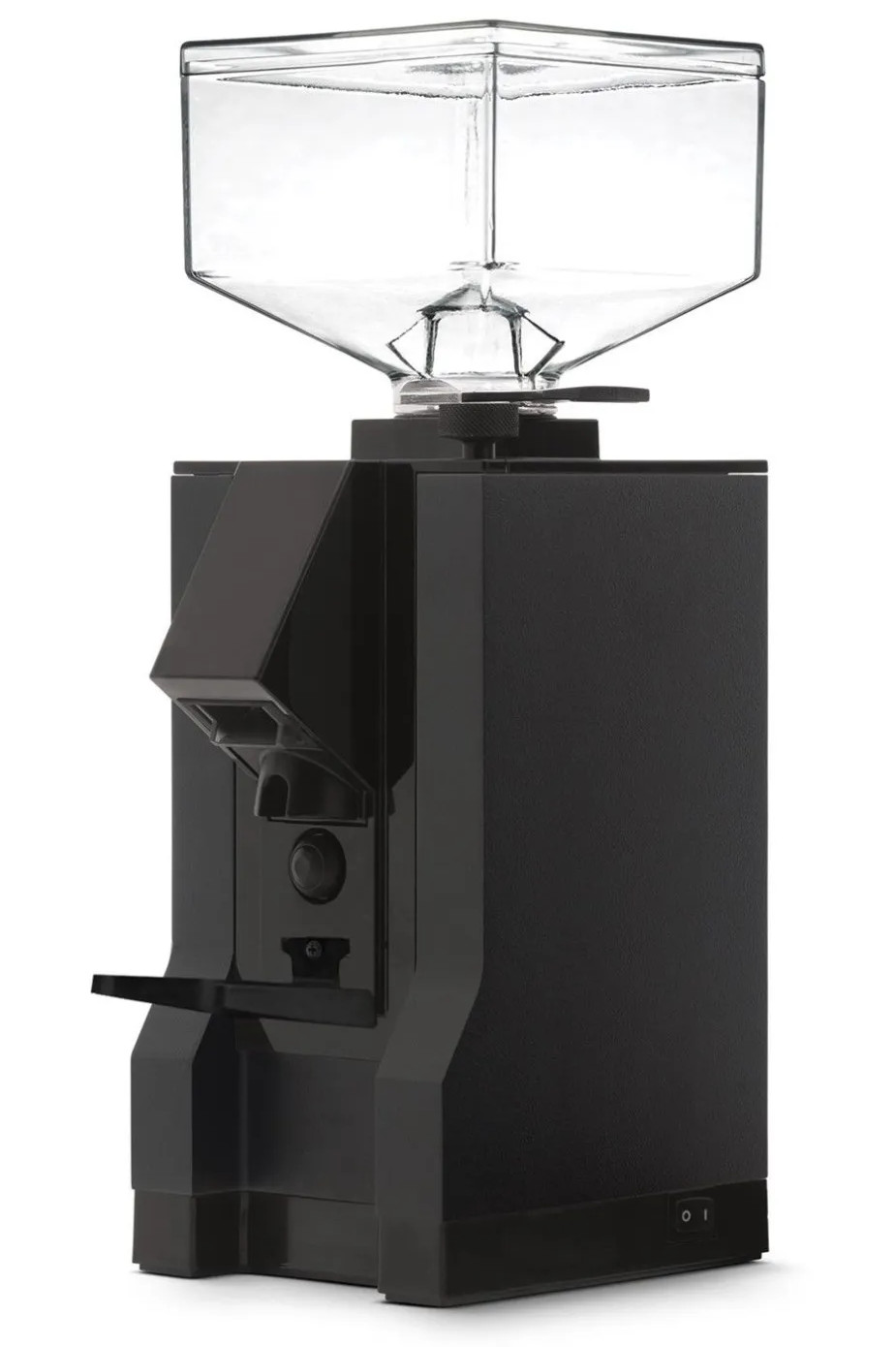
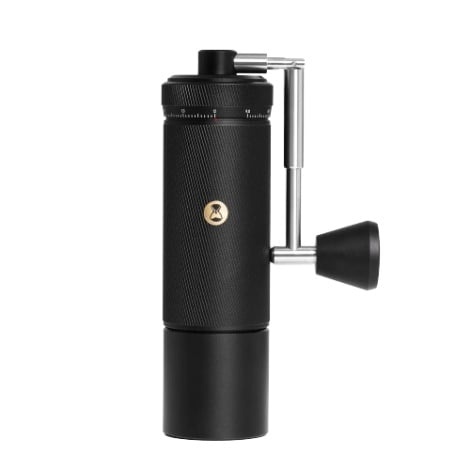
It is ideal to grind the coffee always fresh just before each preparation. For frenchpress, the coffee is ground relatively coarsely to the consistency of crystal sugar . If you have a larger amount of fine coffee grounds in the resulting drink, we recommend grinding the coffee even coarser next time.
How to prepare coffee in french press?
✔ Total preparation time in french press: 4 minutes
✔ Coffee volume: for 300ml (for more volume choose more coffee)
✔ Amount of coffee: 18g (ratio 6 grams / 100ml)
Instructions on how to prepare coffee using a french press
Prepare water at a temperature of 93-95 ° C. Use ideally filtered water.
Grind freshly roasted coffee in the amount of 6 grams / 100ml of water , but you can make coffee weaker or stronger, according to your preference. The coffee should be groundroughly to the consistency of crystal sugar.
Pour the appropriate amount of coffee into the french press container and pour about 100 ml of water. Mix well and wait 30 seconds . This step can be skipped, but it removes the excess CO2 from the coffee, which is especially present in freshly roasted coffees. CO2 prevents perfect extraction of flavors, so it is good to get rid of it before complete pouring.
Add the rest of the water and let it extract for 3 minutes , do not stir the coffee.
Stir the coffee and wait 1 minute for the coffee to drop.
Then push the piston down . You don't have to push it in any way, the piston does not serve to compress the coffee, ie it squeezed out the last remnant of water from it, we don't want these flavors in coffee.
Drain the whole coffee immediately and serve. Coffee should not remain in the French press so that it is no longer brewed.
Brewing Principle: The French press operates on the principle of total immersion. For preparation, it standardly uses 14–20 g of coarsely ground coffee per 250–300 ml of water at a temperature of 92–94 °C. The total extraction time ranges between 3–4 minutes, after which the coffee grounds are mechanically separated by pressing down a metal plunger equipped with a mesh filter.
Flavor Profile: The resulting beverage is characterized by a very full, robust, and dense body with a rich texture. Since the metal mesh filter does not absorb coffee oils like a paper filter does, the coffee retains complex, deep notes with more pronounced bitterness and sweetness, alongside a long-lasting aftertaste.
Volume and Serving: Served depending on the size of the carafe, most frequently in cups or mugs with a capacity of 150–250 ml. A crucial rule of service is to immediately decant the finished coffee from the French press into cups or a serving carafe to prevent continued extraction and flavor degradation.
How does a French press differ from other coffee classics?
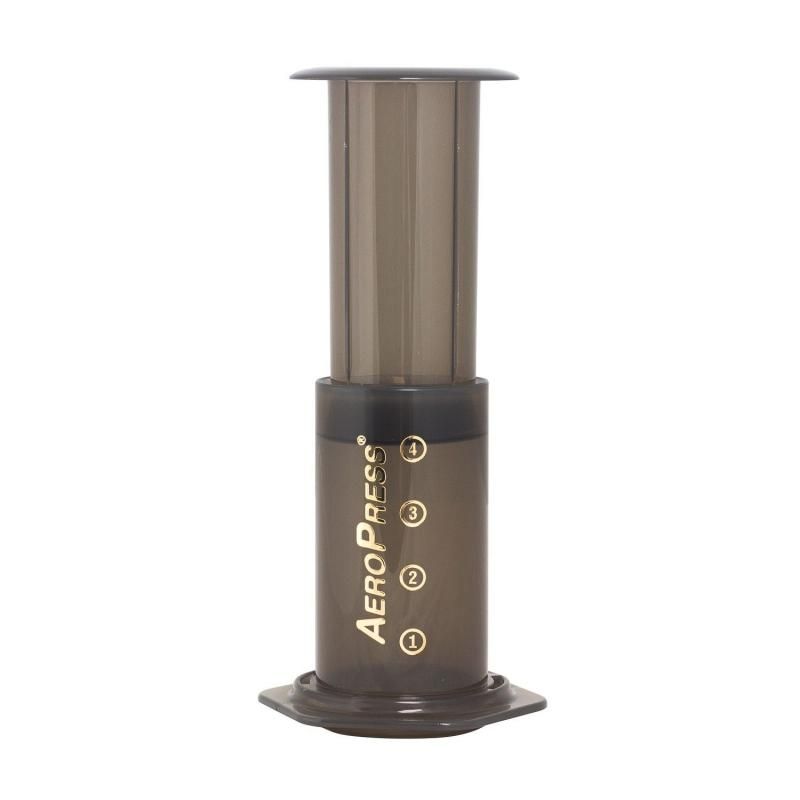
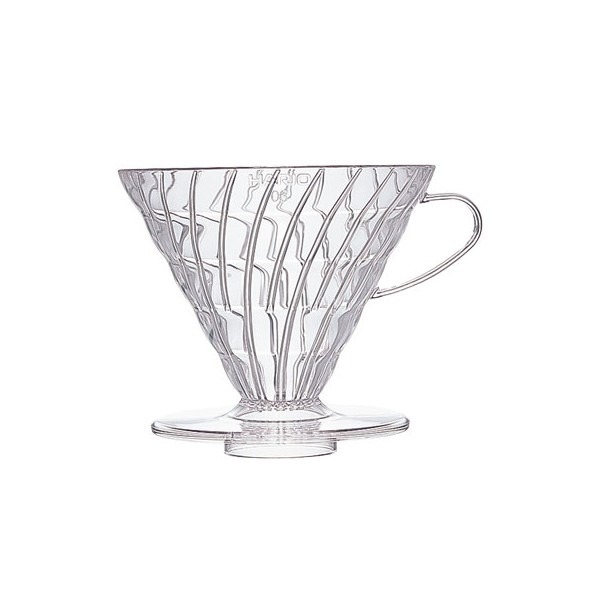
The main difference between brewing in a French press and other alternative methods lies in the brewing style and the type of filtration. It is frequently compared with the V60 (Drip) method. While the French press utilizes immersion (the coffee remains in direct contact with the water for the entire duration), the V60 is based on percolation, where water merely flows through the coffee bed. Additionally, the paper filter of the V60 traps coffee oils and fine particles, yielding a very clean, light, and bright cup with high acidity. In contrast, the French press yields a heavy and oily body due to the metal mesh. Compared to the Aeropress, which combines immersion with pressure and paper filtration, the French press offers a more traditional, less concentrated taste experience, but with a much more prominent texture and sediment at the bottom of the cup.
Coffee Parameter
French press
V60 (Drip)
Aeropress
Dose (Input Weight)
15–18 g (per 250 ml of water)
15 g (per 250 ml of water)
15–18 g (per 200 ml of water)
Yield (Output Volume)
220–230 ml (some water stays in grounds)
220–230 ml
170–180 ml
Brew Ratio
1:15 to 1:16
1:15 to 1:16
1:11 to 1:13
Extraction Time
3–4 minutes
2.5–3.5 minutes
1.5–2 minutes
Consistency & Body
Dense, heavy, oily with fine sediment
Clean, light, bright, no sediment
Medium-bodied, smooth, very clean
Main Flavor Notes
Deep, chocolatey, earthy, lower acidity
Fruity, floral, high acidity, crisp notes
Balanced, sweet, intense, clean
Caffeine Content per Cup
80–120 mg (due to longer immersion)
70–100 mg
65–90 mg
Frequently Asked Questions about Making French press Coffee
Does French press coffee contain more caffeine than an espresso?
Yes, a standard serving of French press coffee generally has a higher caffeine content than a single classic espresso. Caffeine is a water-soluble compound, and its extraction is directly dependent on the contact time between coffee and water. While an espresso is extracted in just 25–30 seconds, French press coffee steeps for 3–4 minutes. This long immersion time causes a larger amount of caffeine to dissolve into the final cup (typically 80–120 mg, depending on the dose and beans used).
How do I correctly adjust the grinder, and why is tamping prohibited for a French press?
For a French press, you must adjust your grinder to a very coarse setting (Coarse), which resembles coarse sugar or sea salt in texture. If the coffee is ground too fine, tiny particles will pass through the metal mesh filter, making the beverage muddy, over-extracted, and extremely bitter. Tamping (compressing) is not used at all here; the coffee is simply poured loosely into the carafe. The goal is to allow the grounds maximum space for unrestricted contact with water during immersion.
What type of coffee beans and roast degree are best suited for a French press?
By its nature, the French press excels at accentuating natural oils and body, making medium to medium-dark roast beans (Medium to Medium-Dark Roast) ideal. Single-origin 100% Arabica coffees from Brazil, Colombia, or India work beautifully. Deep, sweet notes of dark chocolate, nuts, caramel, and cocoa shine through. Very light, acidic roasts can taste unpleasantly sour and grassy in a French press due to the absence of a paper filter.
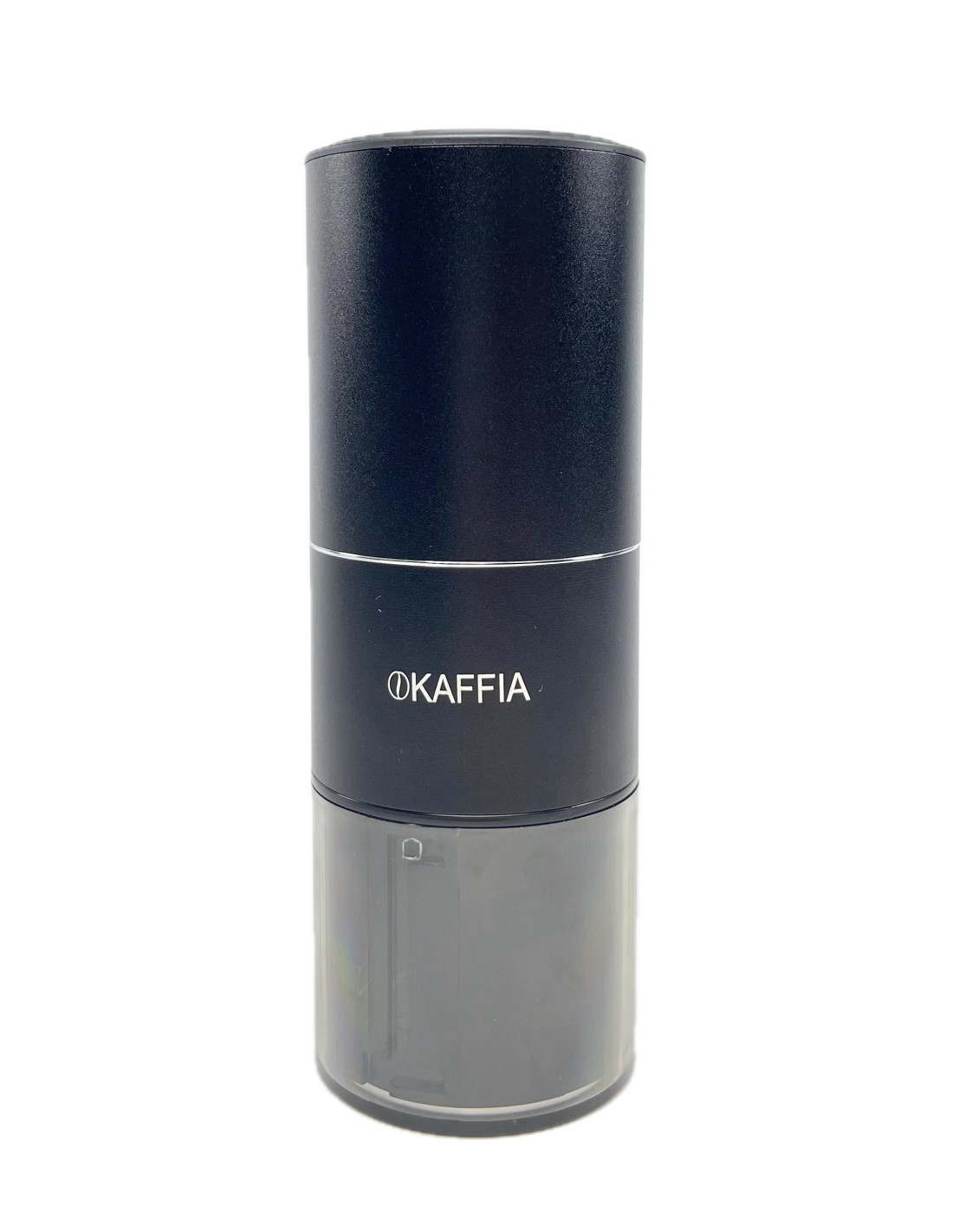
Owner and director of GourmetKava s.r.o., which has been operating an e-shop with freshly roasted coffee and accessories for alternative coffee brewing for 11 years. As a certified expert and holder of the prestigious international Barista Skill Foundation certificate from The Specialty Coffee Association (SCA), he is personally involved in the company's daily operations. He tastes the offered coffees himself. He visits growers in their countries of origin, where he addresses not only the quality of the beans but also fair conditions for the growers and pickers themselves (fair trade). On the website, he acts as an author of educational articles, where he busts coffee myths and teaches proper home brewing. He has long promoted a greener approach to e-commerce. Ing. Dominik Škoda is also a lover of nature, DIY, and music. Under the company's banner, he has also developed his own successful brand of affordable accessories, Kaffia.







































 GRINDING COARSE: coarse
  Choose a quality