
Shopping Cart






































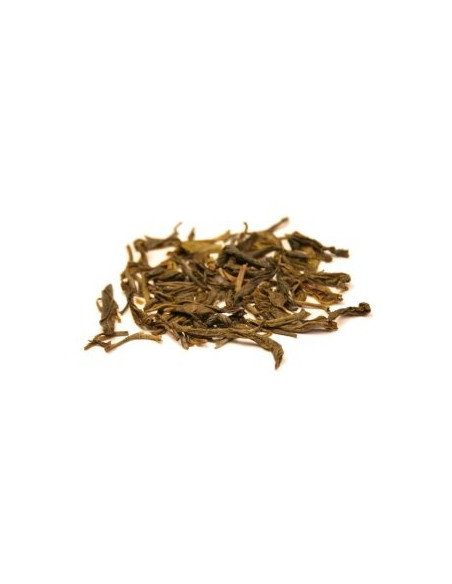
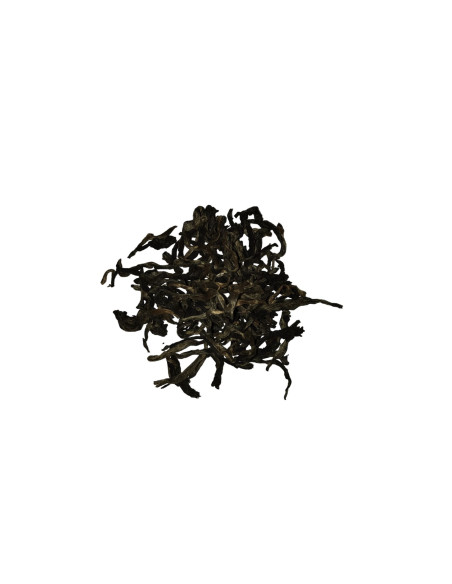
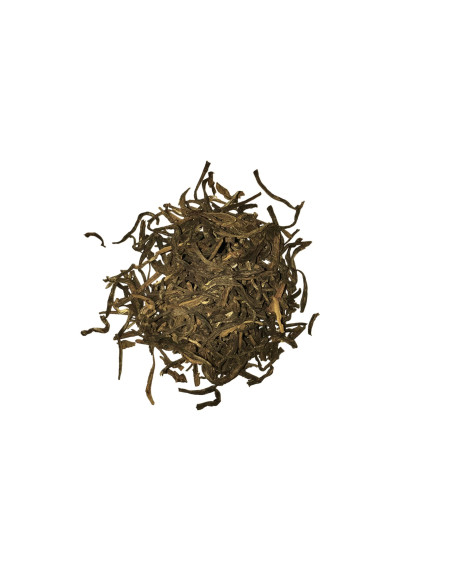
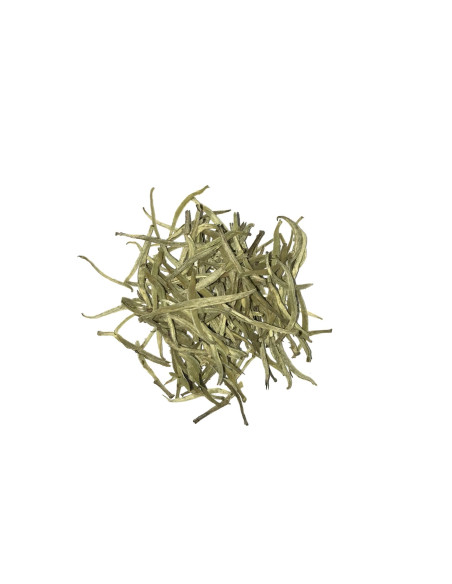
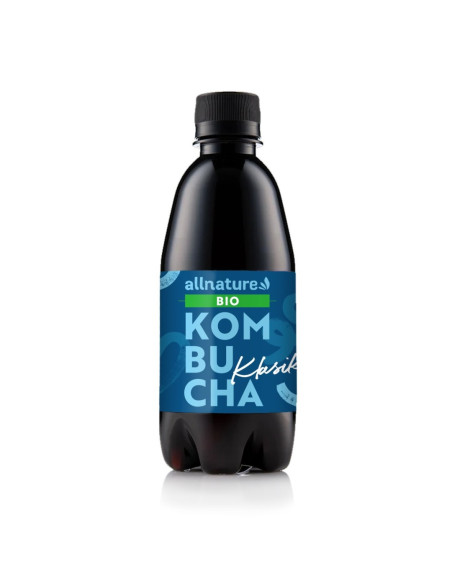


Kombucha is a fermented tea drink with a long tradition most often associated with East Asia. It is made from sweetened tea fermented with a SCOBY – a symbiotic culture of bacteria and yeast. The result is a lightly sparkling, refreshing drink with gentle acidity and a clear tea base.
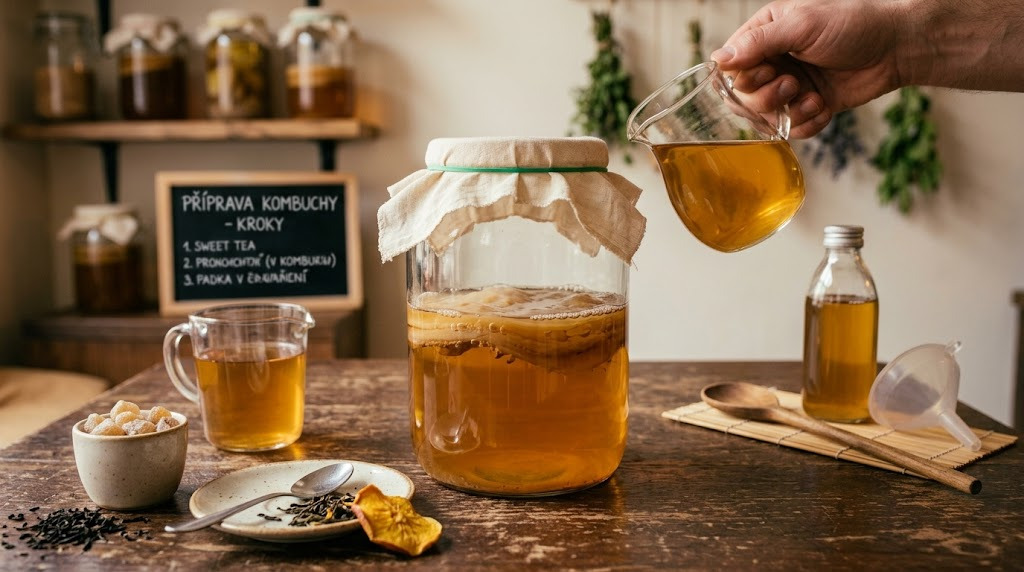
Making kombucha at home is not difficult, but it requires cleanliness, patience and the right balance of tea, sugar and starter liquid. It is important to understand that sugar is not used only for sweetness – it feeds the yeasts and bacteria that create kombucha’s typical flavor.
Brief introduction: What is kombucha?
- Preparation principle: 1. Brew 1 liter of stronger black or green tea. 2. Dissolve 70–90 g of sugar in the hot tea. 3. Let the tea cool to room temperature. 4. Add 100–150 ml of finished kombucha as starter liquid and place the SCOBY inside. 5. Cover with breathable cloth and ferment at 22–26 °C for about 7–14 days.
- Flavor profile: well-made kombucha is fresh, gently tart, slightly sweet and may have subtle fruity, honeyed, floral or apple-vinegar-like notes. The body is light to medium, the texture becomes pleasantly sparkling after second fermentation, and the finish is clean and refreshing.
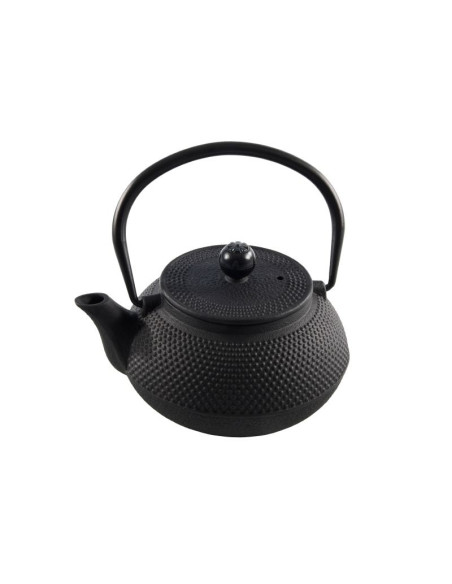
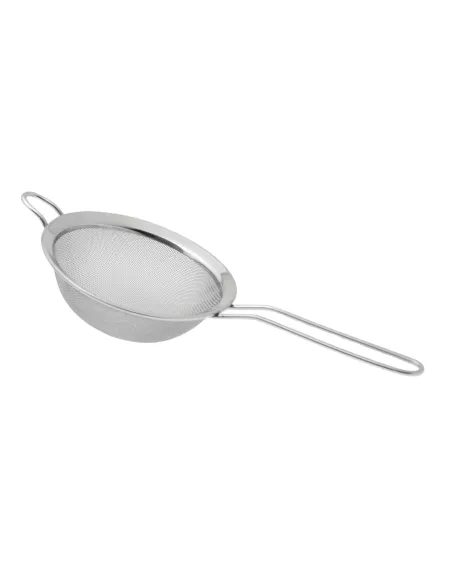
- Serving: serve chilled in a glass, ideally without ice, so the flavor stays clear. Kombucha can be enjoyed plain or flavored during second fermentation with fruit, ginger, herbs or spices. A large glass jar, fine sieve, clean bottle and breathable cloth are very useful for preparation.
How is kombucha different from other tea classics?
Kombucha differs from regular black or green tea mainly because it is fermented. Classic tea is steeped and consumed right away, while kombucha needs several days of fermentation. During this time, the SCOBY culture transforms part of the sugar into acids, light carbonation and the typical sweet-tart flavor.
Compared with iced tea, kombucha has a more complex taste and natural acidity. Iced tea is usually simply chilled tea, often sweetened and flavored. Kombucha is created through a live fermentation process, so its flavor changes depending on fermentation time, tea type, sugar amount and room temperature.
Compared with water kefir, kombucha has a stronger tea base and often deeper acidity. Water kefir is made with kefir grains in sweetened water, while kombucha requires tea, sugar, starter liquid and a SCOBY. Beginners should avoid metal vessels, flavored teas with oils and adding the culture to hot tea.
Preparation comparison: kombucha and similar drinks
| Preparation parameter | Kombucha | Iced tea | Water kefir |
|---|---|---|---|
| Tea type / basic character | Fermented sweetened tea with SCOBY | Chilled steeped tea | Fermented drink from water, sugar and kefir grains |
| Recommended tea dose | 5–8 g tea per 1 liter of water | 5–8 g tea per 1 liter of water | No tea |
| Amount of water | 1 liter of water | 1 liter of water | 1 liter of water |
| Water temperature | 90–100 °C for black tea, then cool down | Depending on tea type, usually 70–100 °C | Room temperature |
| Steeping / fermentation time | 7–14 days of fermentation | 3–5 minutes steeping + cooling | 24–48 hours of fermentation |
| Suitable number of infusions | 1 fermentation batch, then part can be used as starter | Usually 1 infusion | Repeated batches with active grains |
| Recommended vessel or tool | Glass jar, SCOBY, breathable cloth, bottle | Teapot, sieve, pitcher | Glass jar, kefir grains, sieve |
| Flavor profile | Sweet-tart, tea-like, lightly sparkling | Clean tea flavor, light, depending on sweetness | Mildly tart, fruity, sparkling |
| Caffeine/theine intensity | Low to medium depending on tea used | Low to medium depending on tea used | Caffeine-free unless tea is added |
| Beginner friendliness | Suitable if cleanliness and proper process are followed | Very easy | Suitable, but grains need regular care |
| Most common preparation mistake | Putting SCOBY into hot tea or using too little starter liquid | Oversteeping the tea and oversweetening | Wrong sugar ratio or too long fermentation |
Frequently asked questions about preparing kombucha
Is sugar necessary in kombucha?
Yes, sugar is important for kombucha preparation. It is not only for taste; it mainly feeds the SCOBY. During fermentation, part of the sugar is consumed, so the final drink is less sweet than the original tea. Without sugar, fermentation will not work properly.
How do I know kombucha is ready?
Start tasting it with a clean spoon or straw from about day 7 of fermentation. Finished kombucha should taste balanced, sweet and tart. If it is too sweet, let it ferment longer. If it is sharply vinegary, it has fermented too long and is better used as starter liquid for the next batch.
Which tea is best for homemade kombucha?
For beginners, good-quality black tea is the best choice, or a blend of black and green tea. Avoid flavored teas with oils, as they may harm the SCOBY. A large glass jar, fine sieve, clean bottle and breathable cloth are also useful.
