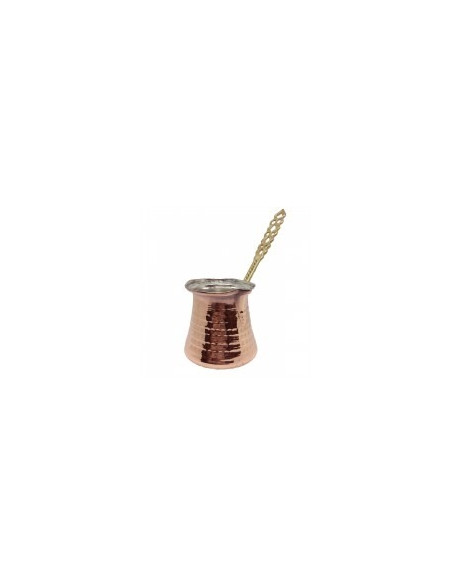
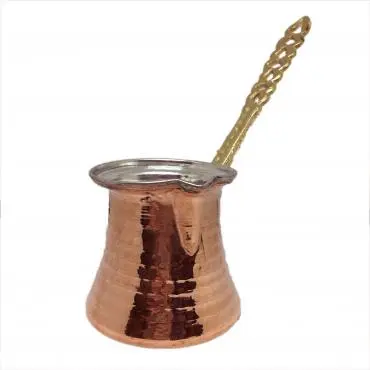
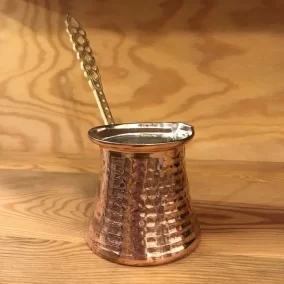
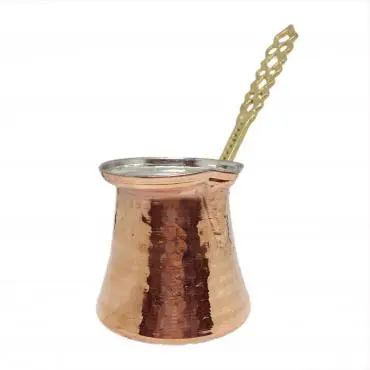
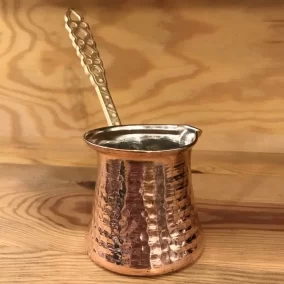
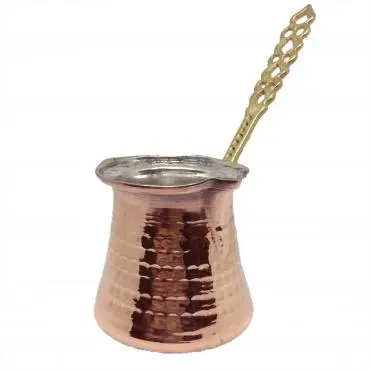
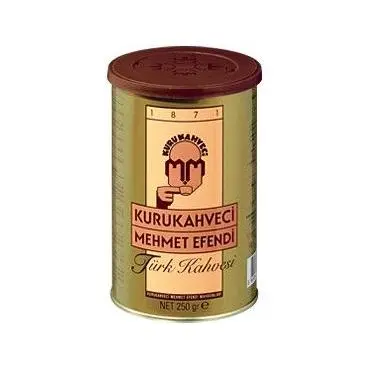
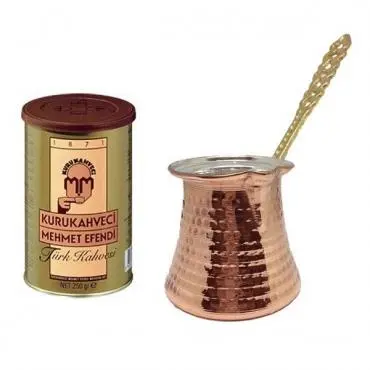
A very old method of making coffee , which is not very unknown in our country, but it even competes in the world. Coffee from jazz tastes completely different from coffee from watered or pressure extraction. The sediment is not separated from the extract here, as is the case with other preparation methods.
Sweetening coffee and adding spices during preparation is also a bit strange , but it is based on a long tradition. Jazz coffee naturally contains a sediment in the drink, which may not suit everyone. It is also necessary to watch the entire preparation process so that the coffee does not overflow :-) But it also brings many benefits, see below.
Why jazz Grinding roughness Instructions for preparation Everything to prepare

WHY PREPARE YELLOW?
- different taste from other methods of preparation
- tradition of preparation
- jazz is also suitable as an interior or kitchen decoration
- easy maintenance
 GRINDING COARSE: very fine
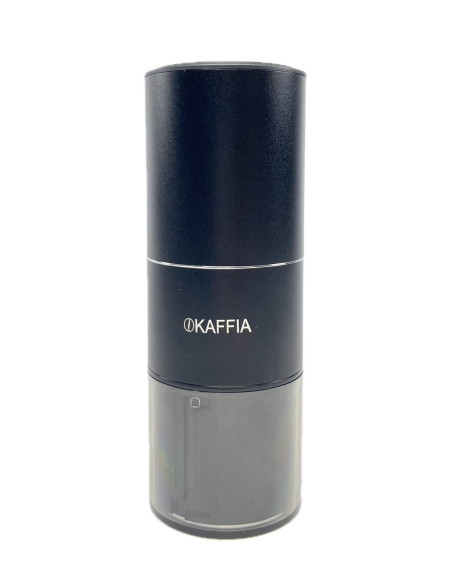
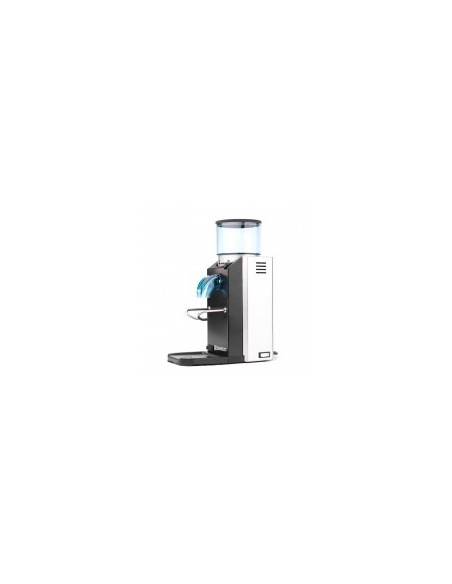
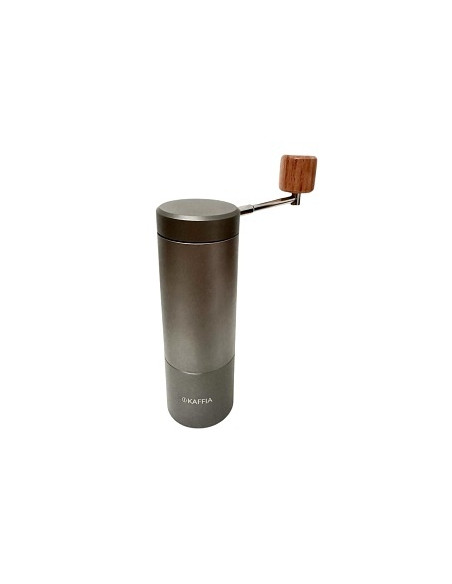
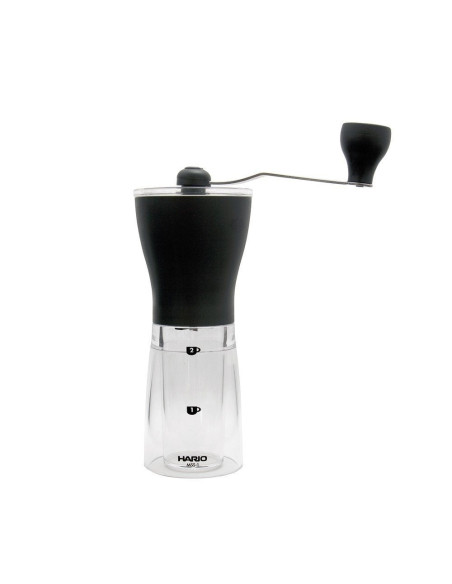
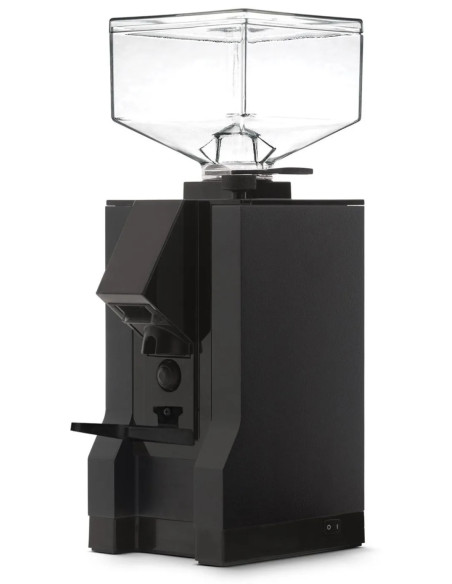
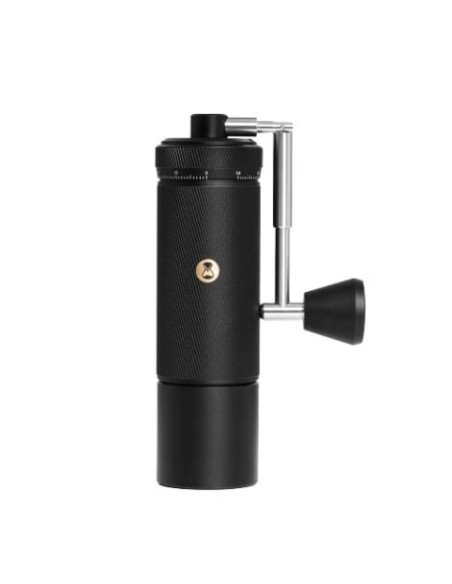
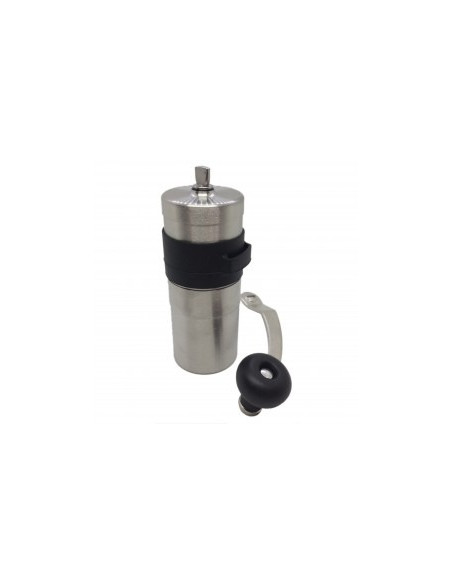
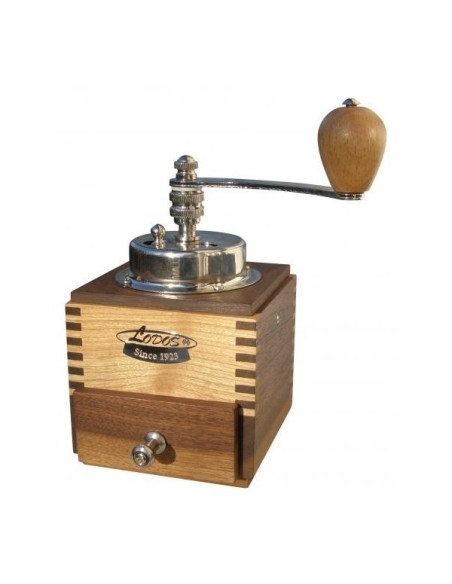
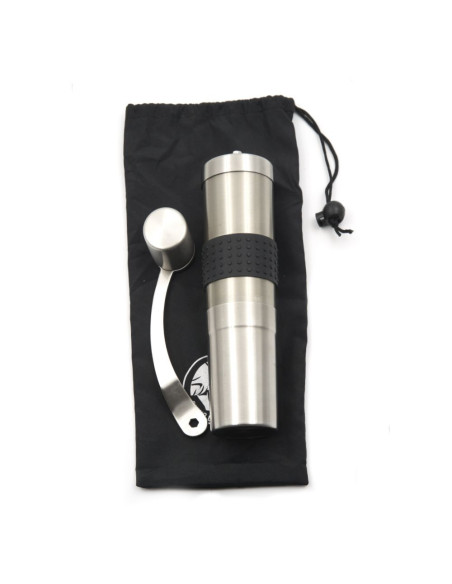
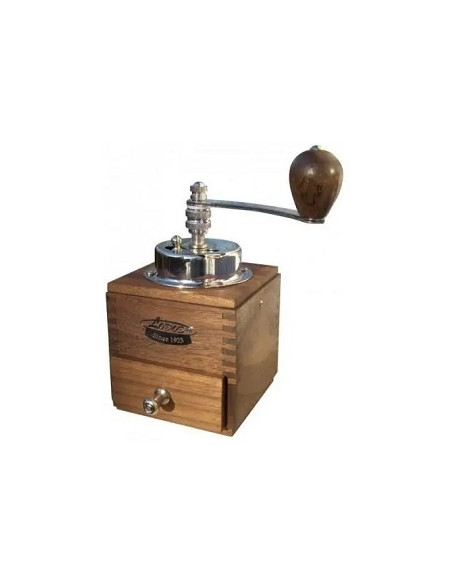
It is ideal to grind the coffee always fresh just before each preparation. The coffee is ground very finely to dust on the jazz, such grinding cannot be achieved at home on a regular grinder, so it is either possible to recommend grinding in a shop (for example in our country). When grinding at home, you can grind the coffee coarser and then grind it in a mortar, or buy one of the few suitable grinders such as Lodos Istanbul .
HOW TO PREPARE COFFEE IN JEZ?
✔ Total preparation time: up to 3 minutes
✔ Amount of coffee: ideally 6 grams / 50ml, jazz coffee is traditionally drunk in smaller cups, but larger portions can be made, it's up to you :-)
Instructions on how to prepare coffee using a jar
- To prepare coffee in a jar, it is necessary to grind the coffee beans as finely as possible , up to the form of a powder, or to buy ground coffee straight away, for example, the coffee Efendi from Turkey .
- To prepare the right Turkish coffee with a sweet spicy taste, place the jazz on a heat source, add about 20ml of water, sugar and spices (such as cardamom). Wait until the water with the sugar starts to boil and caramel is formed. Two teaspoons of coffee and one teaspoon of sugar are usually dosed per cup of coffee . However, you can skip this step and prepare only the coffee itself in a jar.
- Add coffee and add the rest of the water to two-thirds of the jazz.
- Wait until the coffee starts to brew and until the foam reaches the edge of the jar. Then remove the jazz from the cooker and add a small amount of foam to the cups.
- Bring the coffee to the boil again and repeat the same procedure twice more. So we brought the coffee to a boil 3 times.
- We set the coffee from the jazz aside for a while and leave it alone for 30 seconds so that the sediment drops. We can circle it with jazz so that the coffee washes off the walls.
- Pour the coffee into cups.
DO YOU WANT TO BUY A COTTAGE ?
Quick Overview: What is Turkish Coffee Preparation in a Cezve?
- Brewing Principle: Preparing coffee in a cezve (ibrik) is one of the oldest methods in the world. It involves a controlled, repeated infusion of extremely finely ground coffee (flour-like powder) combined with cold water in a tapered copper or stainless steel pot. The coffee is unfiltered; instead, it is brought to a foam-up multiple times, creating a thick beverage with rich foam.
- Flavor Profile: Cezve coffee offers an uncompromisingly strong, full, and earthy body with a high concentration of caffeine and flavor compounds. Due to the lack of filtration and the presence of fine coffee sediment, the drink features a syrupy texture. When done correctly, the coffee isn't burnt but unfolds deep notes of chocolate, spices, and nuts.
- Volume and Serving: A traditional serving (called a finjan) is usually around 60–90 ml. The coffee is poured directly from the cezve into small cups, including the grounds. The key element is the thick foam (kaimak) on top. It is often served with additions like cardamom, sugar, and a glass of cold water to cleanse the palate.
How does Cezve coffee differ from Cowboy coffee and Espresso?
Although people often mistake cezve coffee for unrefined "mud coffee" due to the presence of grounds, the extraction principle and the final quality of the beverage are vastly different.
Cezve vs. Cowboy / Infusion coffee: Standard infusion coffee is made simply by pouring boiling water over coarsely ground coffee in a mug, where it steeps indefinitely, releasing bitter compounds and tannins. In a cezve, the coffee is ground to the finest possible powder, and the extraction takes place during active heating. As soon as the coffee foams up, the process is stopped, yielding a more balanced flavor and a much thicker foam.
Cezve vs. Espresso: Espresso utilizes high water pressure (around 9 bar) to force hot water through a coffee bed in just 25–30 seconds. A cezve, on the other hand, relies on a long static infusion (around 2–3 minutes) without pressure, using heat alone. Espresso is clean and emulsified, whereas cezve coffee is more viscous and contains fine microparticles of the coffee beans.
| Drink Parameter |
Cezve Coffee (Ibrik) |
Standard Infusion Coffee |
Classic Espresso |
| Grind Size |
Extremely fine (like powdered sugar / dust) |
Medium to coarse |
Fine grind |
| Brewing Time |
approx. 2–3 minutes of heating |
Steeps permanently in the cup |
approx. 25–30 seconds of extraction |
| Grounds Filtration |
No (grounds settle at the bottom of the cup) |
No (grounds remain in the cup) |
Yes (via metal portafilter basket) |
| Flavor Body |
Very dense, syrupy, intense |
Heavy, bitter, often woody |
Concentrated, emulsified, with crema |
| Traditional Serving Temp. |
Very hot, after the grounds settle |
Hot (poured with boiling water) |
approx. 65–70 °C (ready to drink) |