
Shopping Cart



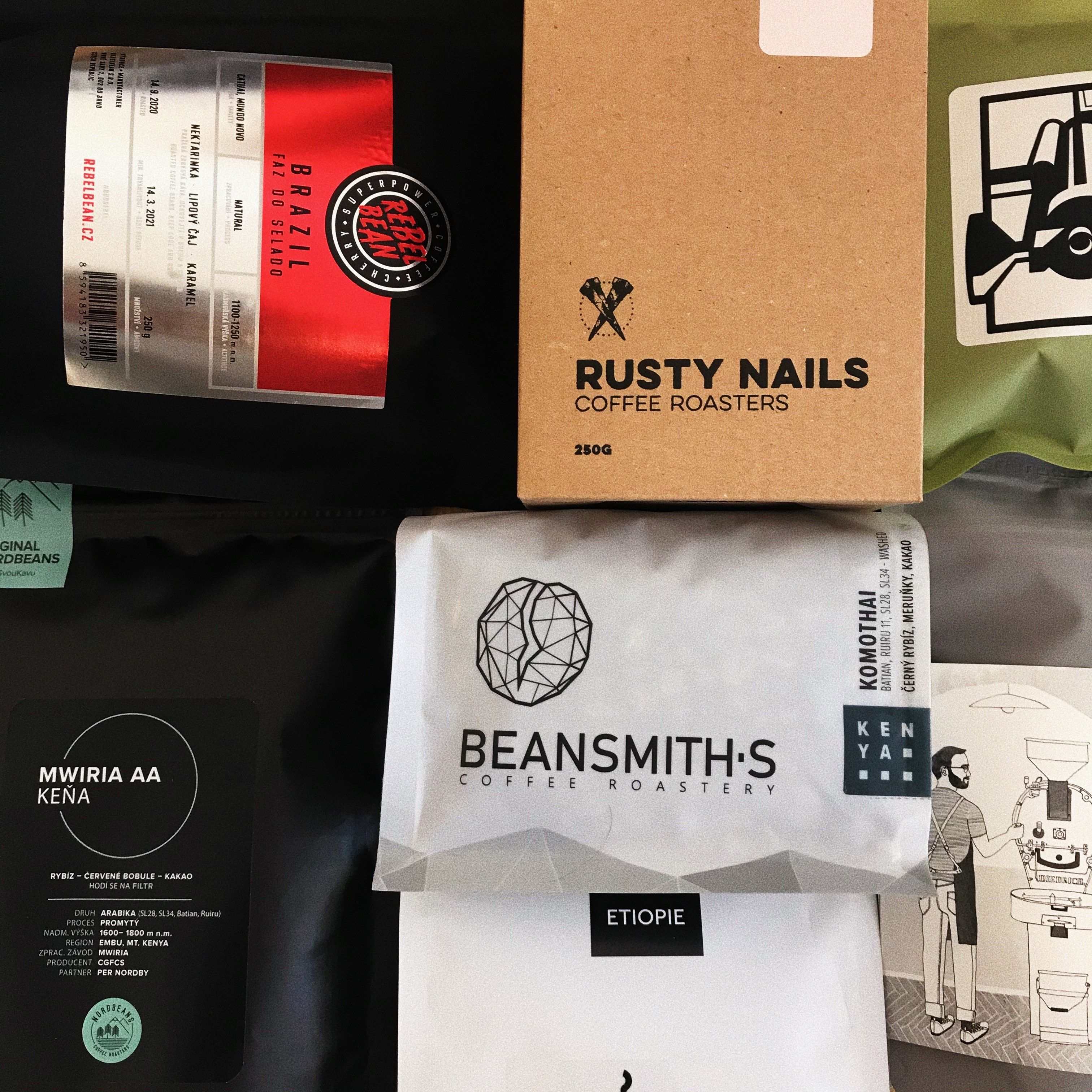





















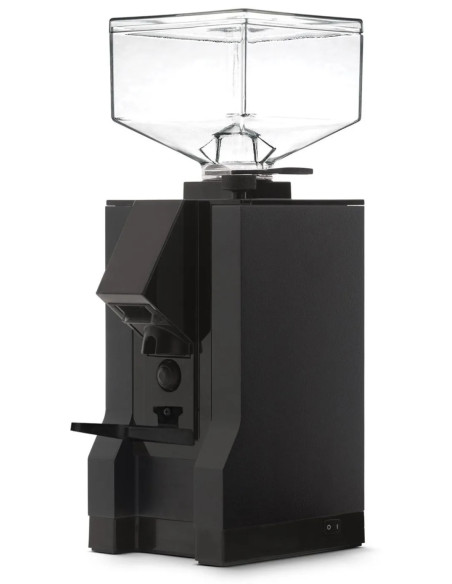
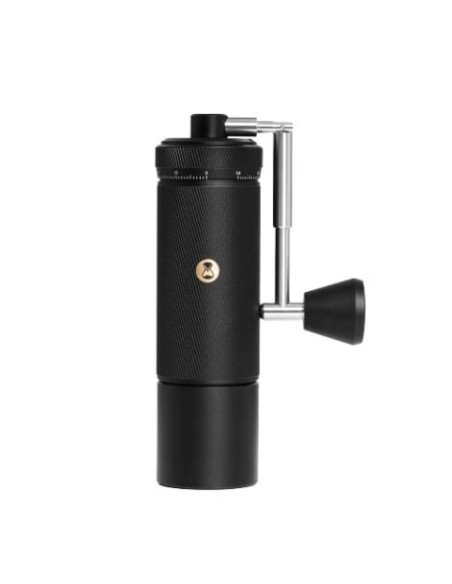
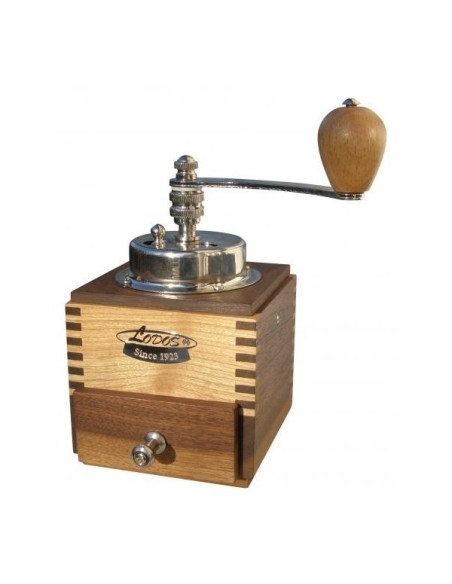














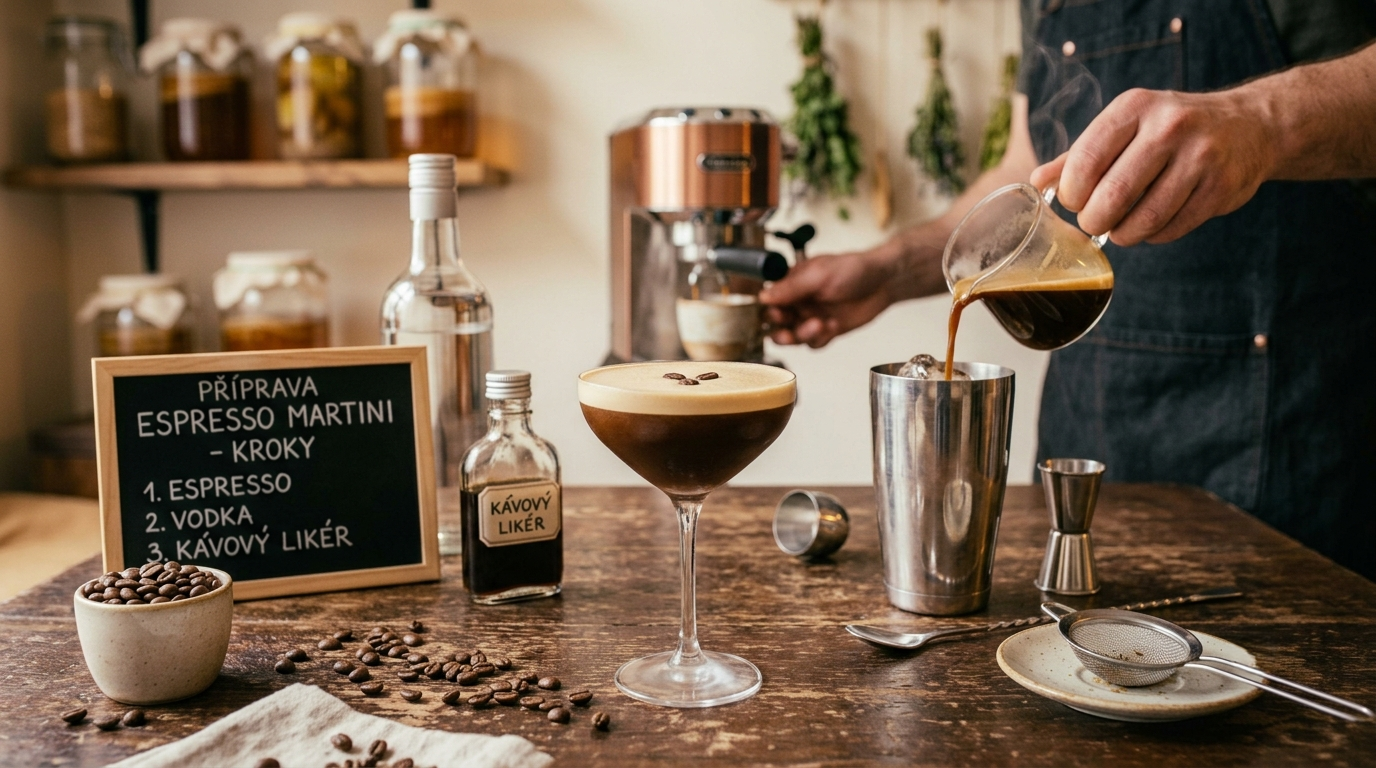
Espresso Martini is a modern coffee cocktail that originated in London in the 1980s. Although its name includes “martini”, it is not a classic Martini with vermouth, but an elegant mix of vodka, coffee liqueur, sugar syrup and freshly brewed espresso. Thanks to its combination of intense coffee, alcohol and velvety foam, it has become an icon of evening bars and a favourite among espresso lovers.
Brief introduction: What is Espresso Martini?
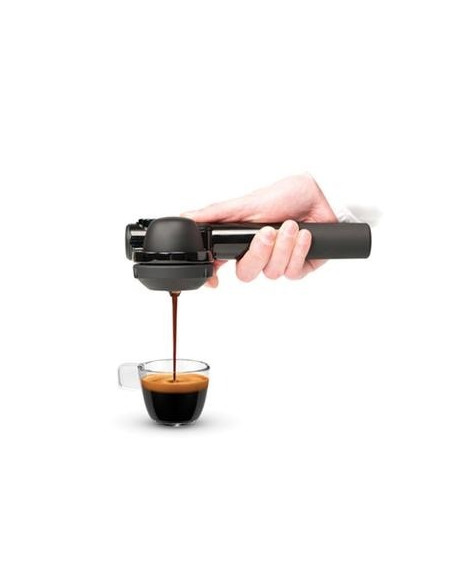
- Preparation principle: Brew an espresso using 18–20 g of freshly ground coffee in a double basket portafilter. The target yield should be around 36–40 g of espresso, roughly 30–40 ml, with an extraction time of about 25–30 seconds. Add the espresso immediately to a shaker with ice, vodka, coffee liqueur and sugar syrup, then shake vigorously.
- Flavour profile: Espresso Martini has a full body, creamy foam and strong coffee aromatics. Its flavour combines espresso bitterness, liqueur sweetness, soft notes of caramel, chocolate and alcohol. Acidity should be low to medium, with a long, sweet coffee finish and gentle warmth.
- Volume and serving: It is usually served in a coupe glass or martini glass of about 120–160 ml. The drink is served without ice, with a dense foam on top, often garnished with three coffee beans.
How is Espresso Martini different from other coffee classics?
Espresso Martini differs from regular coffee drinks mainly because it is an alcoholic cocktail, not a pure coffee or milk-based drink. Espresso forms the aromatic base, but the final profile is strongly shaped by vodka, coffee liqueur, sweetener and vigorous shaking with ice.
Compared with iced coffee or iced latte, Espresso Martini is smaller, stronger and more concentrated in flavour. It contains no milk, so it has neither dairy sweetness nor creaminess from milk fat. Its foam comes from fresh espresso and energetic shaking with ice.
Compared with Affogato, Espresso Martini is less dessert-like in texture but much more defined by alcohol and a bittersweet profile. Affogato is built on the contrast of ice cream and hot espresso, while Espresso Martini works with cold temperature, foam, alcohol and bar-style presentation. It is more of an evening cocktail than a coffee dessert after lunch.
Espresso Martini compared with similar coffee drinks
| Drink parameter | Espresso Martini | Iced Latte | Affogato |
|---|---|---|---|
| Input coffee dose | 18–20 g for the espresso base | 18–20 g for the espresso base | 18–20 g for the espresso base |
| Output weight / volume | 30–40 ml espresso + vodka, coffee liqueur and syrup to about 120–160 ml | 180–250 ml including milk and ice | 30–40 ml espresso + 60–80 g ice cream |
| Brew Ratio | 1:2 for the espresso base | 1:2 for the espresso base | 1:2 for the espresso base |
| Extraction time | 25–30 seconds for espresso, then 10–15 seconds shaking | 25–30 seconds for espresso, then assembled with milk and ice | 25–30 seconds for espresso, then poured over ice cream |
| Consistency and body | Cold, velvety, foamy and cocktail-smooth | Lighter, milky, cold and longer | Creamy, dessert-like, slowly melting |
| Main flavour notes | Espresso, coffee liqueur, caramel, chocolate, alcoholic warmth | Milky sweetness, mild coffee, refreshing finish | Vanilla, chocolate, caramel, gentle bitterness |
| Caffeine content per cup | Approximately 60–90 mg, depending on the espresso used | Approximately 60–120 mg, depending on the number of shots | Approximately 60–90 mg, depending on the espresso used |
Frequently asked questions about preparing Espresso Martini
Is Espresso Martini weaker because espresso is mixed with alcohol and ice?
No. Ice and alcohol change temperature, texture and flavour perception, but caffeine content comes from the espresso used. If you use a double espresso, the drink may contain a similar amount of caffeine as a regular doppio. However, it also contains alcohol, so it is not a normal substitute for an afternoon coffee.
How should I set the grinder and espresso for good foam in Espresso Martini?
The base is fresh espresso with enough body and crema. From 18–20 g of coffee, aim for 36–40 g of espresso in 25–30 seconds. Watery espresso creates weak foam and a flat flavour. Over-extracted espresso may taste sharp, dry and unnecessarily bitter.
Which coffee beans are best for Espresso Martini?
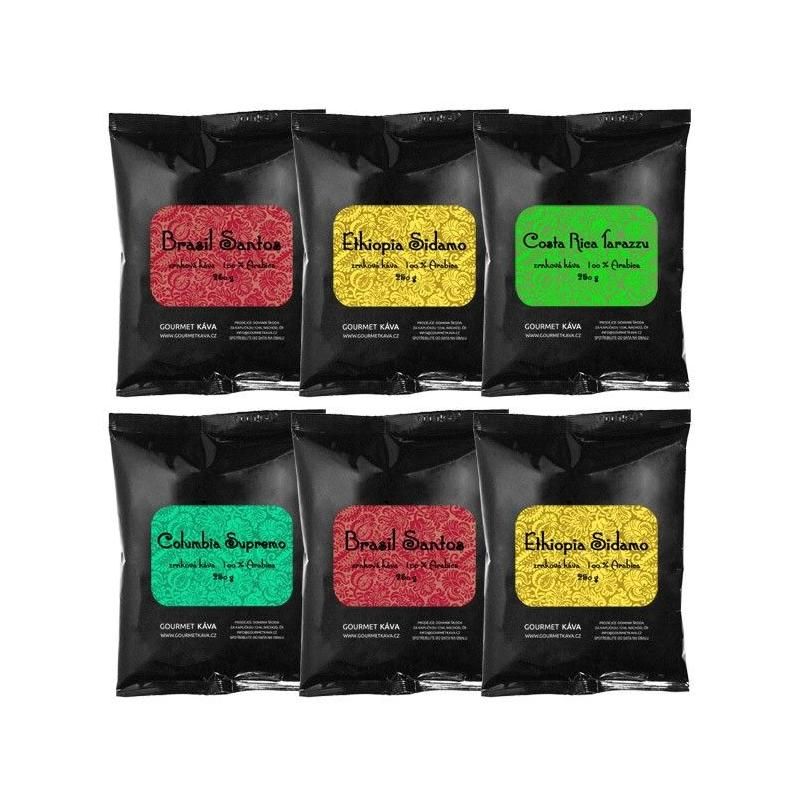
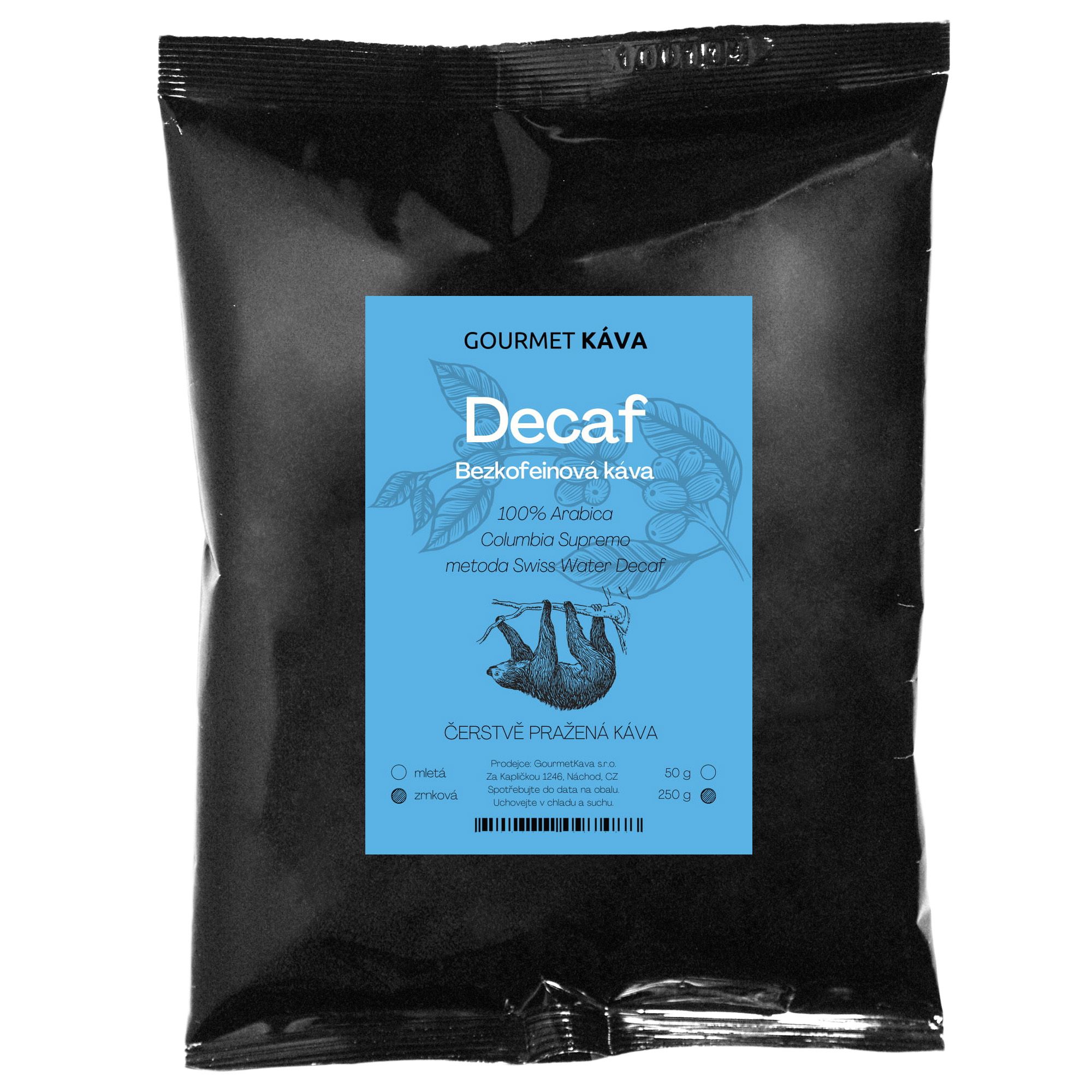
Medium to medium-dark roasted coffees with notes of chocolate, caramel, nuts or dried fruit work best. Brazil, Colombia or an espresso blend are good choices. Very light and highly acidic coffees can taste sharp with alcohol, while overly dark roasts may burden the drink with burnt bitterness.
