
Shopping Cart


























































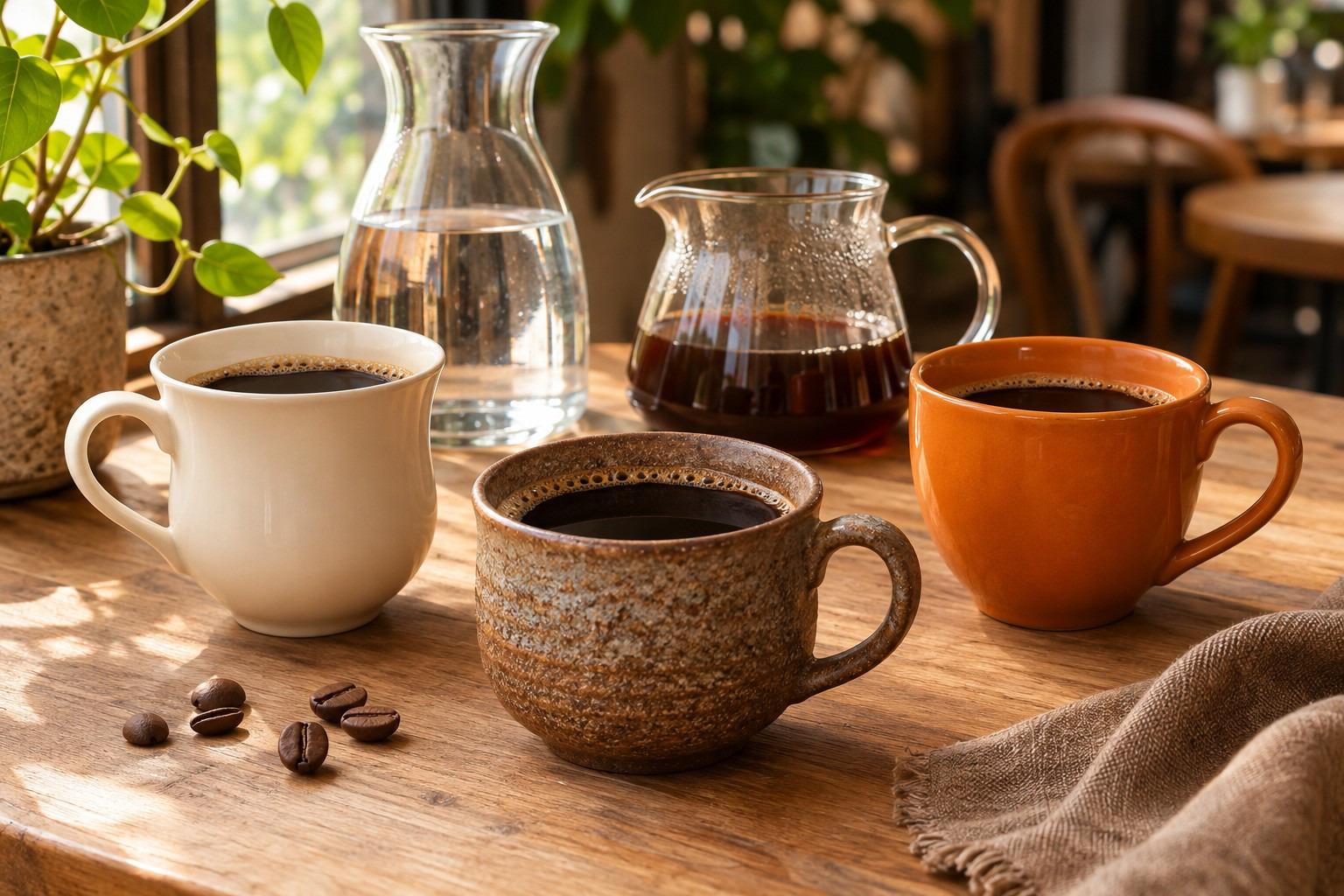
The same coffee can taste different every time. And the quality of the beans or the brewing method may have nothing to do with it. Research shows that water composition, the shape, texture and colour of the cup, the drink’s temperature and even the setting in which we drink coffee can all influence its taste.
When brewing coffee, we usually focus on the beans, grind size, water temperature or extraction method. But many more factors influence its taste than we might expect. All our senses contribute to our perception of it: not just taste and smell, but sight and touch too. Research shows that even seemingly insignificant details, such as the surface of the cup or the setting in which we drink our coffee, can considerably affect the overall experience.
Not all water makes equally good coffee
Although water is one of coffee’s basic ingredients, we often overlook its composition. We usually pay more attention to the beans or the brewing method. Yet water composition can make a substantial difference to the taste of the finished drink. A study published in the Journal of Food Science investigated how water hardness and alkalinity affect coffee’s sensory properties. The researchers compared different concentrations of calcium, magnesium and bicarbonate.
Under the conditions of this study, alkalinity — water’s ability to neutralise acids — played a more important role than hardness alone. Higher bicarbonate concentrations reduced perceived acidity, fruity notes and complexity, while bringing out bitterness and roasted notes.
“When brewing coffee, we often focus primarily on the beans and the brewing method. Yet even seemingly ordinary water can determine whether the finer flavour nuances stand out in the cup or stronger bitter notes prevail,” explains Dominik Škoda, who runs the GourmetKáva online shop.
The cup affects taste too: shape, texture and colour all matter
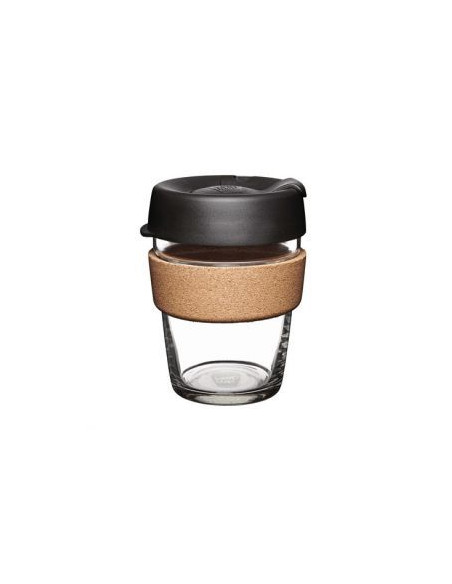
We usually choose a cup for its appearance, size or how comfortable it is to hold. Few of us realise that its properties can also change how coffee tastes to us. A study showed that cup shape can influence the perception of aroma, sweetness and acidity. For example, people perceived a stronger aroma in tulip-shaped cups, while other shapes emphasised sweet and acidic notes.
Shape is only part of the picture. Another study compared cups with smooth and rough surfaces. It found that texture can also influence how intensely we perceive sweetness, acidity or the coffee’s aftertaste. Colour may play a role as well. A study found that a cup’s colour can affect expectations of the drink’s sweetness and acidity, and subsequently its overall appeal.
Coffee tastes different depending on how hot it is
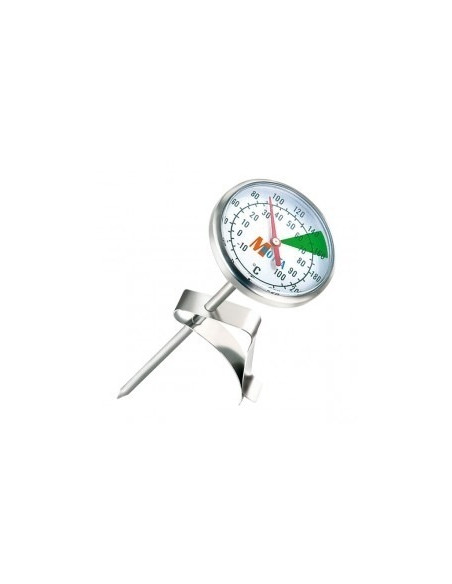
Temperature can determine which flavour and aroma notes stand out most. Danish researchers investigated this factor by studying how coffee perception changes at six temperatures between 31 and 62 °C. The study found that temperature affects both the release of aroma compounds and taste perception itself. Above 50 °C, roasted and bitter notes were more pronounced, for example, while some sweet and acidic characteristics stood out more clearly at lower temperatures.
Your surroundings play a part in coffee’s taste
Our experience of coffee depends on more than the drink and the cup: the setting matters too. A review published in Food Quality and Preference highlighted the importance of surrounding sounds, lighting, smells and the overall atmosphere. “The music in a café, the sound of the coffee machine or the smell of freshly ground beans can all play a part. These stimuli can influence our expectations and our subsequent perception of the drink,” says Dominik Škoda.
