Like many other products, you can also buy select coffee in so-called organic quality. The question is, of course, whether the benefits to the consumer and the planet are worth the money.
What can organic coffee offer you?
As if it were not enough to choose between varieties, brands and roasters, coffee consumers are faced with the question of whether to choose conventional (conventionally grown) or organic coffee that meets the requirements of so-called organic quality. The right decision can be made on the assumption that you have sufficient information.
Because coffee is a highly sought-after commodity, more than nine billion kilograms of coffee are grown annually to meet global demand.
How do the conditions for growing conventional vs. organic coffee differ?
For conventional growing, varieties that prefer direct sunlight are usually used. They grow in large fields (often in areas where forests have been cleared), where it is not possible to count on sufficient natural defences against pests (birds or lizards hunting insects, etc.) and diseases, which requires the use of chemical protection (insecticides, pesticides, herbicides). To increase yields, such fields are fertilised with artificial fertilisers.
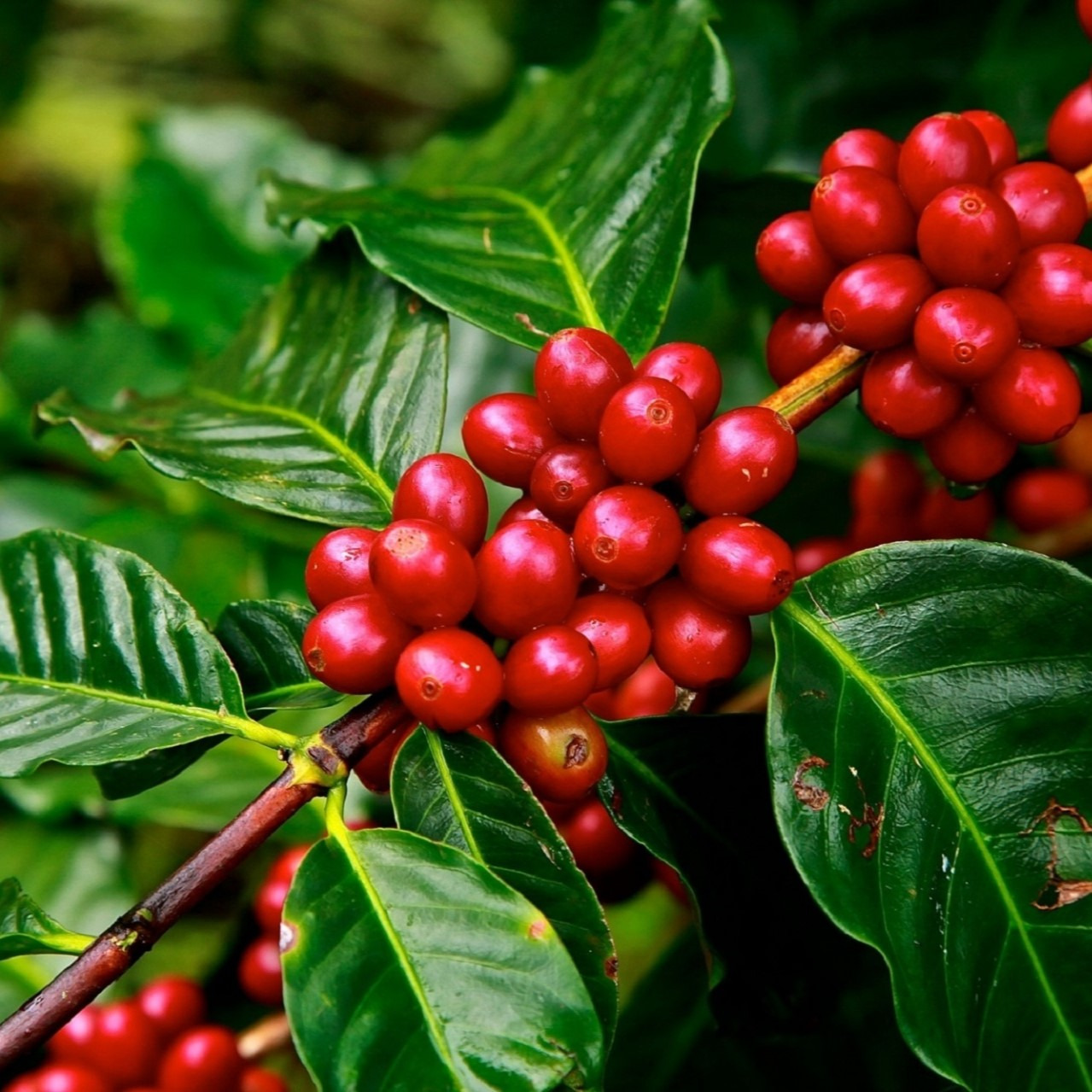
In contrast, organic organic coffee usually comes from varieties growing in the shade of trees that do not need to be cut down for them. Of course, harvesting is not as quick and convenient, so the grower cannot count on such high yields. To maintain organic quality, it is also not possible to use synthetic fertilisers or treat coffee trees with chemical sprays. Growing such coffee is more demanding and the final product is logically more expensive.
Is it worth investing more money in organic coffee?
Or how does BIO coffee have the edge? First of all, organic coffee contains more valuable antioxidants. In a study, it was shown that organic coffee is better than conventional coffee in terms of antioxidant content and antioxidant activity. However, there are always other factors to consider, such as the roasting process and how the coffee is prepared.
A completely non-negligible fact, however, is that buying organic coffee is good for the environment.
Resources:
Barstow, Cynthia. The Eco-foods Guide: What's Good for the Earth Is Good for You. Gabriola, B.C.: New Society, 2002
https://www.ncbi.nlm.nih.gov/pmc/articles/PMC7222172/















































 Choose a quality