
Shopping Cart






























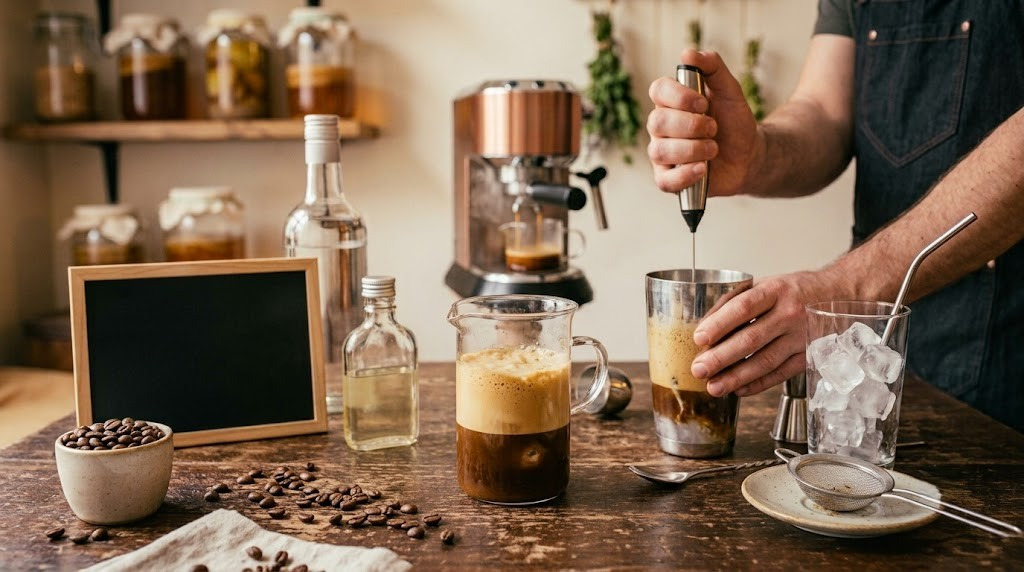
Freddo Espresso is a modern Greek iced coffee that became a symbol of Greek café culture especially from the 1990s onward. It is based on classic espresso, but instead of simply pouring it over ice, the espresso is briefly shaken or blended with ice to create a cold, foamy and velvety texture. It is especially popular in summer because it keeps the intensity of espresso while feeling lighter and more refreshing.
Brief introduction: What is Freddo Espresso?
- Preparation principle: Brew a double espresso using 18–20 g of freshly ground coffee in a double basket portafilter. The target yield should be around 36–40 g of espresso, roughly 30–40 ml, with an extraction time of about 25–30 seconds. The espresso is immediately shaken or blended with ice, optionally with a small amount of sugar, then poured into a glass filled with ice.
- Flavour profile: Freddo Espresso has a light to medium body, cooling texture and a fine layer of foam on top. The flavour is clearly coffee-forward, with a lower perception of bitterness than hot espresso. A well-made drink shows notes of chocolate, nuts, caramel or citrus freshness, a clean aftertaste and a refreshing finish.
- Volume and serving: It is served in a tall glass of about 180–250 ml, usually over ice cubes. No milk is added, so the drink remains purely coffee-based. Water may be served alongside it, especially in café service, just as with espresso.
How is Freddo Espresso different from other coffee classics?
Freddo Espresso is an iced variation that preserves the clean character of espresso while working with cold temperature, ice and foam. Unlike regular espresso, it is not served hot and concentrated in a small cup, but as a longer refreshing drink in a glass with ice. Still, it should not taste watery or flat.
Compared with iced latte, Freddo Espresso contains no milk. That makes it more coffee-forward, less sweet and more direct in flavour. Iced latte is built on espresso, milk and ice, while Freddo Espresso presents the coffee itself in a cold form. With a naturally sweet espresso blend, it can taste round even without milk.
Compared with espresso tonic, Freddo Espresso is less sparkling, less sweet and more focused on coffee texture. Espresso tonic combines espresso with tonic water, adding bittersweet carbonation and a citrus line. Freddo Espresso is cleaner, foamier and closer to classic espresso, only in an iced and longer format.
Freddo Espresso compared with similar coffee drinks
| Drink parameter | Freddo Espresso | Iced Latte | Espresso Tonic |
|---|---|---|---|
| Input coffee dose | 18–20 g for a double espresso | 18–20 g for the espresso base | 18–20 g for the espresso base |
| Output weight / volume | 36–40 g espresso + ice to about 180–250 ml | 180–250 ml including milk and ice | 180–250 ml including tonic and ice |
| Brew Ratio | 1:2 for the espresso base | 1:2 for the espresso base | 1:2 for the espresso base |
| Extraction time | 25–30 seconds for espresso, then briefly shaken with ice | 25–30 seconds for espresso, then assembled with milk and ice | 25–30 seconds for espresso, then poured over tonic |
| Consistency and body | Cold, foamy, purely coffee-based and refreshing | Milky, soft, creamier and longer | Sparkling, light, bittersweet and fresh |
| Main flavour notes | Espresso, chocolate, nuts, caramel, citrus freshness | Milky sweetness, mild coffee, refreshing finish | Coffee, tonic bitterness, citrus, gentle sweetness |
| Caffeine content per cup | Approximately 60–90 mg, depending on coffee and dose | Approximately 60–120 mg, depending on the number of shots | Approximately 60–90 mg, depending on the espresso used |
Frequently asked questions about preparing Freddo Espresso
Does Freddo Espresso contain less caffeine than hot espresso?
No. Ice and shaking do not reduce caffeine. The caffeine content comes from the coffee dose and the espresso used as the base. If you use a double espresso made from 18–20 g of coffee, Freddo Espresso will contain a similar amount of caffeine as a regular doppio.
How should I set the grinder so Freddo Espresso does not taste watery?
The foundation is sweet and concentrated espresso. Aim for 36–40 g of espresso from 18–20 g of coffee in 25–30 seconds. If the drink tastes sour and hollow after chilling, try grinding finer or extending the extraction slightly. If it tastes dry and overly bitter, grind a little coarser.
Which coffee beans are best for Freddo Espresso?
Medium-roasted coffees with natural sweetness and notes of chocolate, nuts, caramel or gentle fruit work very well. Brazil, Colombia, Guatemala or a balanced espresso blend are good choices. Overly dark roasts can taste harsh when chilled, while very light coffees may be too sharp and acidic.
