
Shopping Cart

































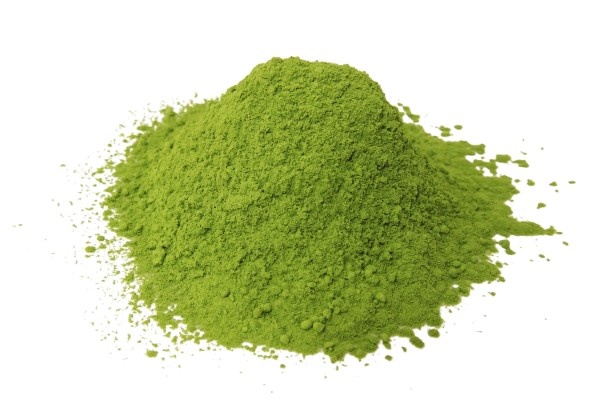



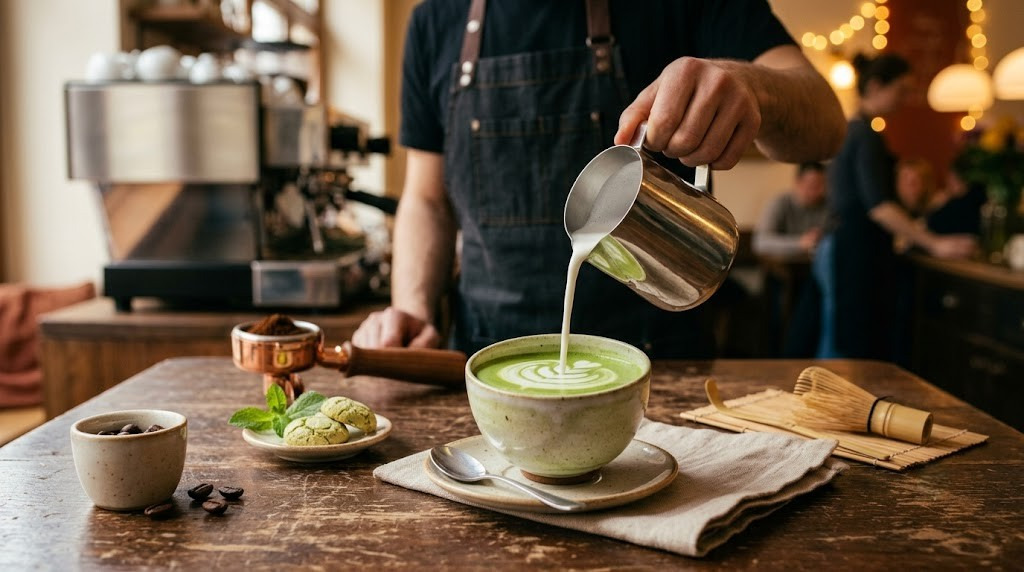
Matcha latte is rooted in the Japanese tradition of preparing matcha, a finely ground tea powder made from shaded green tea leaves. Unlike regular steeped tea, matcha is not infused and removed from the water – the whole powdered leaf is whisked directly into water, giving the drink a fuller taste, vibrant color and more pronounced stimulating effect.
Matcha latte is a modern, softer and creamier version of traditional matcha. It combines intense green tea with milk or a plant-based alternative and is loved for its velvety texture, gentle sweetness and fresh green character.
Brief introduction: What is Matcha latte?
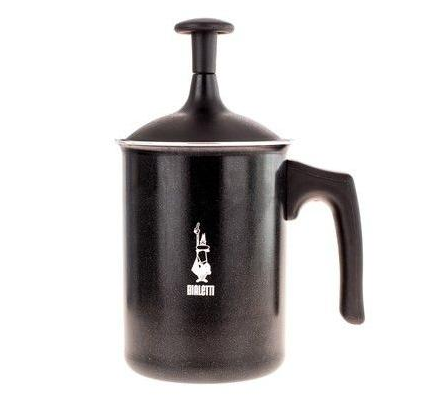
- Preparation principle: 1. Sift 2 g of high-quality matcha into a bowl. 2. Add 50–70 ml of water at 70–80 °C. 3. Whisk with a bamboo chasen until smooth and lightly foamy. 4. Pour into a cup or glass and add 150–200 ml of warm frothed milk. Matcha latte is not steeped; it is whisked.
- Flavor profile: a well-made Matcha latte has a creamy body, smooth texture, natural grassy notes, gentle umami, mild sweetness and very little bitterness. The finish is fresh, milky and softly sweet.
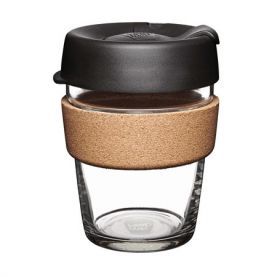
- Serving: serve in a larger cup or clear glass to show off the green color and milk foam. It works well with dairy milk, oat milk or almond drink. Sweetening is optional; a little honey or syrup can make the flavor rounder.
How is Matcha latte different from other tea classics?
Matcha latte differs from traditional matcha mainly because milk is added. Classic matcha is prepared only with matcha powder and water, while the latte version is softer, creamier and often more approachable for beginners. Milk rounds out the herbal and umami notes, softens astringency and creates a drink similar in comfort to milk-based coffee specialties.
Compared with Sencha, Matcha latte is much fuller. Sencha is steeped from whole leaves, while matcha is whisked directly into water. This means you drink the entire finely ground tea leaf. The flavor is therefore more concentrated and the stimulating effect can be stronger.
Compared with Chai latte, Matcha latte is not spicy. Chai latte is based on black tea, milk and spices, while Matcha latte is cleaner, greener and fresher. It is ideal for those who want a creamy drink but prefer tea freshness over strong spicy sweetness.
Preparation comparison: Matcha latte and similar teas
| Preparation parameter | Matcha latte | Traditional matcha | Chai latte |
|---|---|---|---|
| Tea type / basic character | Finely ground green tea with milk | Finely ground green tea with water | Black tea with milk and spices |
| Recommended tea dose | 2 g matcha | 1.5–2 g matcha | 3–5 g black tea |
| Amount of water | 50–70 ml water + 150–200 ml milk | 60–80 ml water | 100 ml water + 150 ml milk |
| Water temperature | 70–80 °C | 70–80 °C | 95–100 °C |
| Preparation time | 2–4 minutes | 1–2 minutes | 5–8 minutes |
| Suitable number of infusions | 1 preparation; the powder is fully consumed | 1 preparation; the powder is fully consumed | Usually 1 strong infusion |
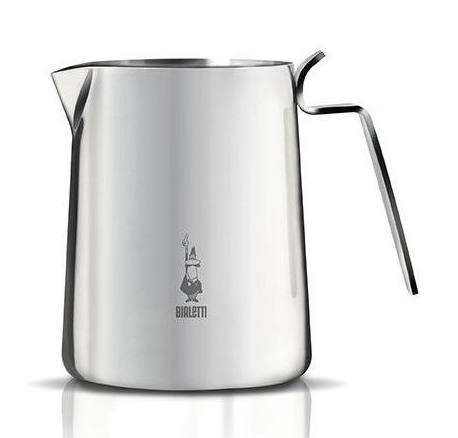
| Recommended vessel or tool | Chawan, chasen, sieve, milk pitcher | Chawan, chasen, fine sieve | Saucepan, sieve, teapot |
| Flavor profile | Creamy, green, gently sweet, umami | Intense, grassy, umami, fresh | Spiced, sweet, warming, milky |
| Caffeine/theine intensity | Medium to higher | Medium to higher | Medium |
| Beginner friendliness | Very suitable thanks to its milky softness | Suitable, but sensitive to quality and water temperature | Very suitable for fans of sweeter drinks |
| Most common preparation mistake | Using boiling water or leaving lumps in the matcha paste | Water too hot and poor whisking | Weak tea base or overheated milk |
Frequently asked questions about preparing Matcha latte
Why should matcha not be prepared with boiling water?
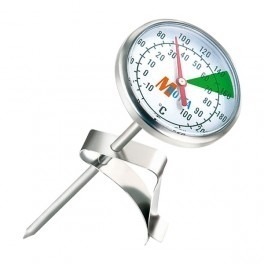
Boiling water can scorch matcha and bring out unpleasant bitterness. The ideal water temperature is 70–80 °C. Without a thermometer, let freshly boiled water rest for about 2–3 minutes before using it.
How do I make Matcha latte without lumps?
Always sift matcha through a fine sieve first. Then mix it with a small amount of water into a smooth paste and whisk with a chasen. If you pour milk directly onto dry powder, lumps will be much harder to dissolve.
Which matcha should I choose for Matcha latte?
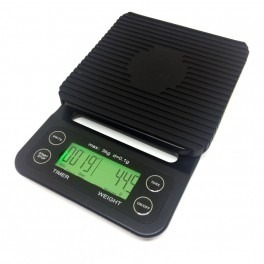
For Matcha latte, use a good premium or culinary matcha with a clear green color and fresh aroma. Ceremonial matcha gives a finer taste, but some of its delicate nuances will be softened by milk. For home preparation, a bamboo chasen, fine sieve and scale are very useful.
